Kalshi Review: Fees, Sports Contracts and Legal Risk
Kalshi review: sports event contracts priced in cents, not odds
Kalshi sells yes/no contracts that pay $1, including on sports. We checked how its fee formula compares with a sportsbook's margin, and where the legal footing is still unsettled.
Our score
7.4/10Rated 7.4 out of 10
Verdict
For anyone who wants to back a team at a transparent price, Kalshi is often cheaper than a sportsbook's hidden margin, because you pay a visible fee that peaks near 50 cents and shrinks at the extremes. The catch is not cost but footing: state regulators have contested sports contracts, and you hold a contract, not a bet slip.
Best for
Bettors who want visible pricing and a CFTC-overseen venue
Prices shown in cents, so implied probability is readable at a glance
Fee shrinks toward 1 cent and 99 cents, so longshot and heavy-favourite trades cost little
One account covers sports, politics, economics and weather markets
Help center states the venue is under CFTC oversight, unlike offshore books
What held it back
Sports contracts face ongoing challenges from some state regulators
Fee is charged per trade, so frequent in-and-out trading erodes returns
Thin order books on smaller games can mean wide gaps between buy and sell
No parlay builder or same-game boosts; combining legs is clumsy
Kalshi does not take bets in the usual sense. It lists questions ("Will this team win?", "Will the Fed cut in December?") and sells a yes contract and a no contract on each. The winning side pays $1. Everything else follows from that one design choice, including why we think its sports pricing is easier to audit than a sportsbook's.
What a contract costs, and what the fee adds
A yes contract trading at 62 cents means the market puts the outcome at roughly 62 percent. If it hits, you collect $1 and your profit is 38 cents. If not, you lose the 62 cents. There is no vig buried in the line, because the buyer and seller are the two sides of the trade.
What replaces the vig is a fee. Kalshi's own fee schedule is the authority here, and the PDF would not load for us (it returned a rate-limit error), so we worked from several third-party guides that agree on the shape: the taker fee is about 0.07 x contracts x price x (1 - price), rounded up to the next cent. Treat that as our reading, and confirm it against the schedule before you size a trade.
Run the formula and the curve is clear. At 50 cents the fee is about 1.75 cents per contract, roughly 3.5 percent of the money you put up. At 90 cents it falls to about 0.63 cents, under 1 percent of the stake. At 10 cents it is the same 0.63 cents, but that is 6 percent of a 10 cent stake, so longshots are not free.
Compare that with a standard American sportsbook line of -110 on both sides of a spread. The break-even win rate there is 52.4 percent, meaning the margin is baked in at roughly 4.5 percent of a two-way market. Kalshi's visible charge at 50 cents is smaller, but it applies on every trade, not just the entry. Hold to settlement and you pay once; flip positions and you pay each time.
What the sports tab looks like
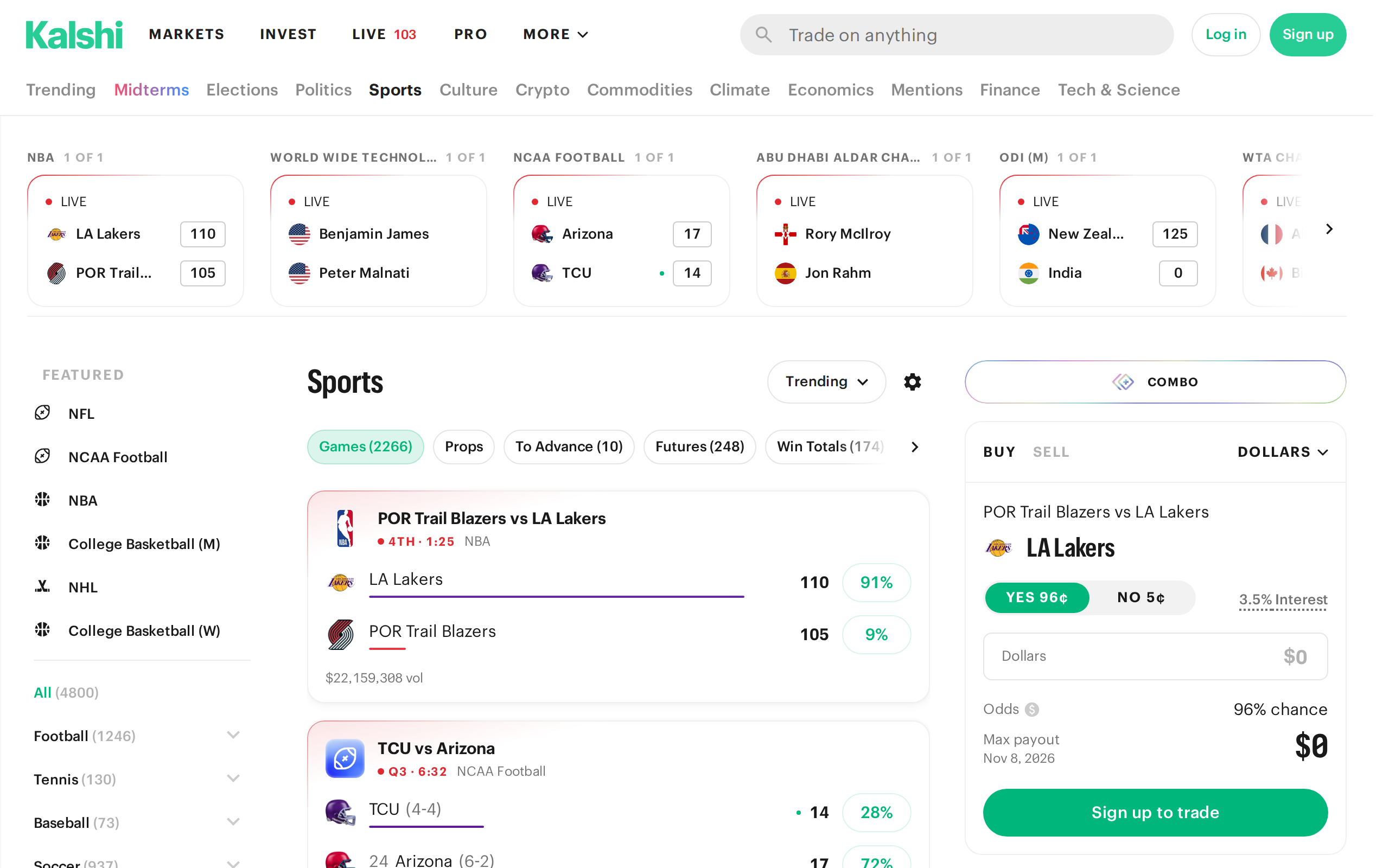
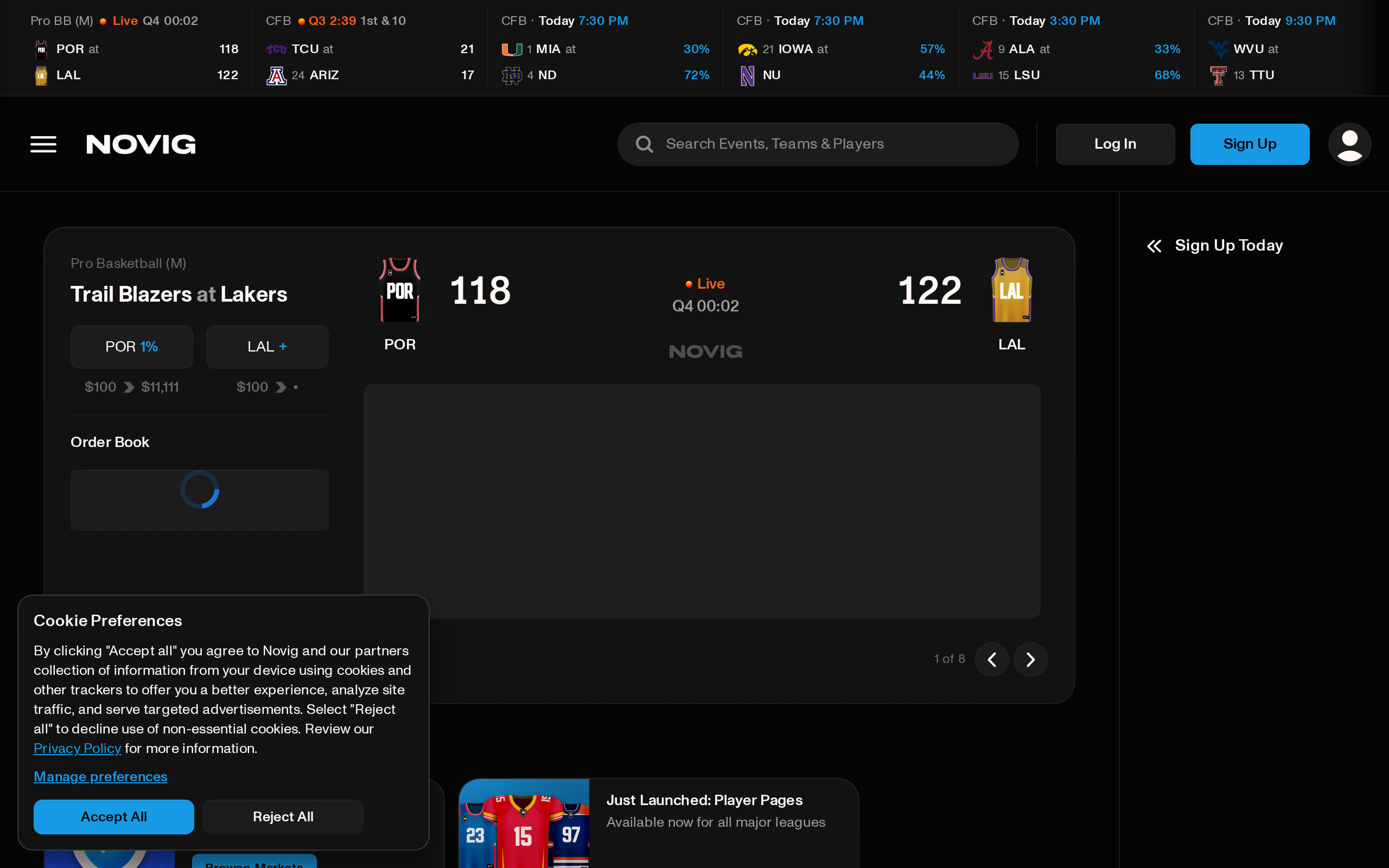
The Kalshi Sports category, with individual games such as Trail Blazers vs Lakers and TCU vs Arizona listed alongside volume figures
The sports tab reads like a scoreboard with a stock ticker attached. Game markets sit beside season-long ones, and each carries a dollar volume. That volume number is worth reading before you trade. A game with millions traded gives you a tight spread. A niche contract with little behind it can have a gap between the best buy and best sell that costs more than the fee does.
What you do not get is the sportsbook toolkit. No same-game parlay builder, no profit boosts, no odds-boost carousel. If you build combinations by stacking separate contracts, you pay the fee on every leg and the prices do not multiply the way a bookmaker's parlay does. We see that as a feature for disciplined bettors and a dealbreaker for parlay fans.
It is not only sports
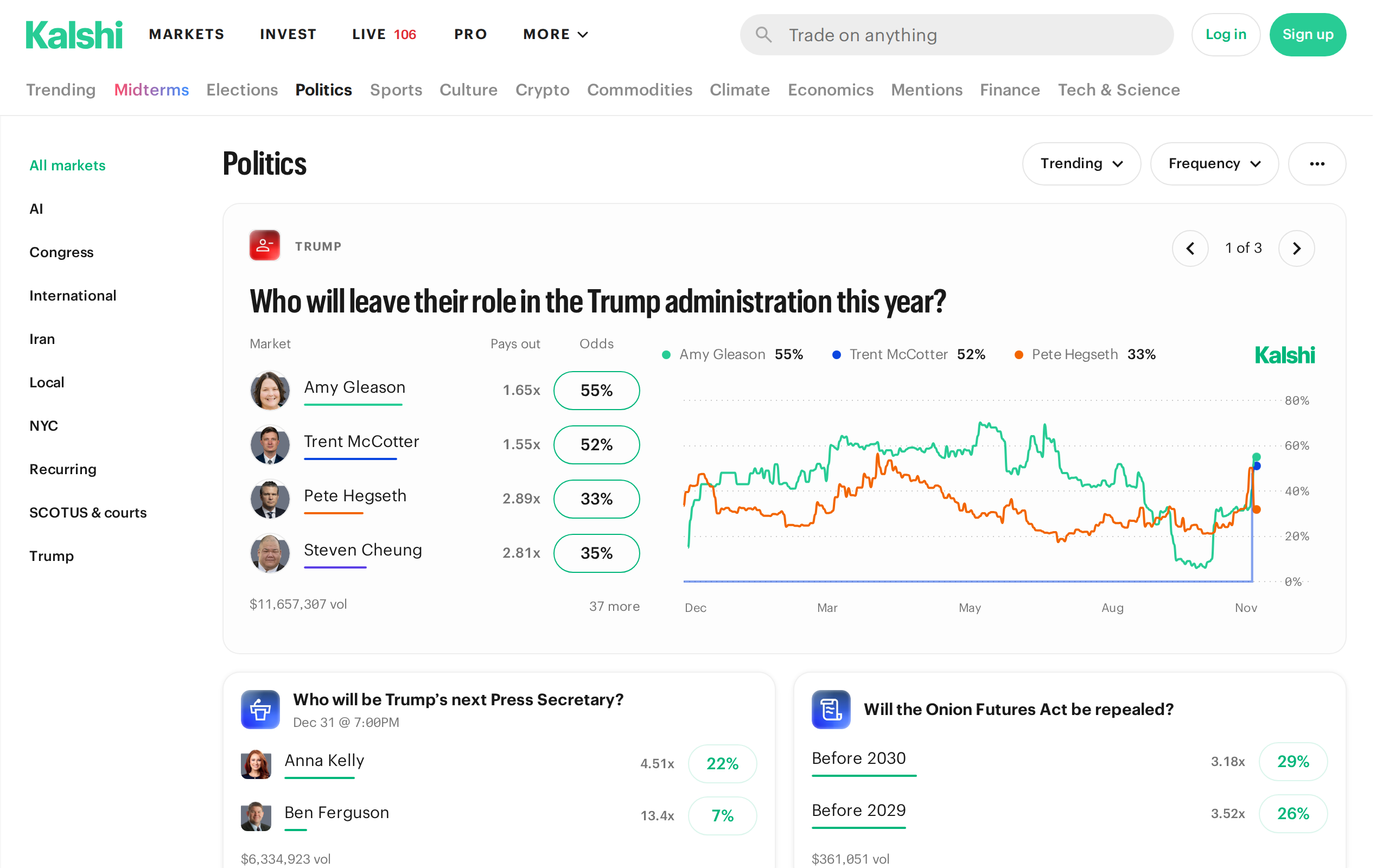
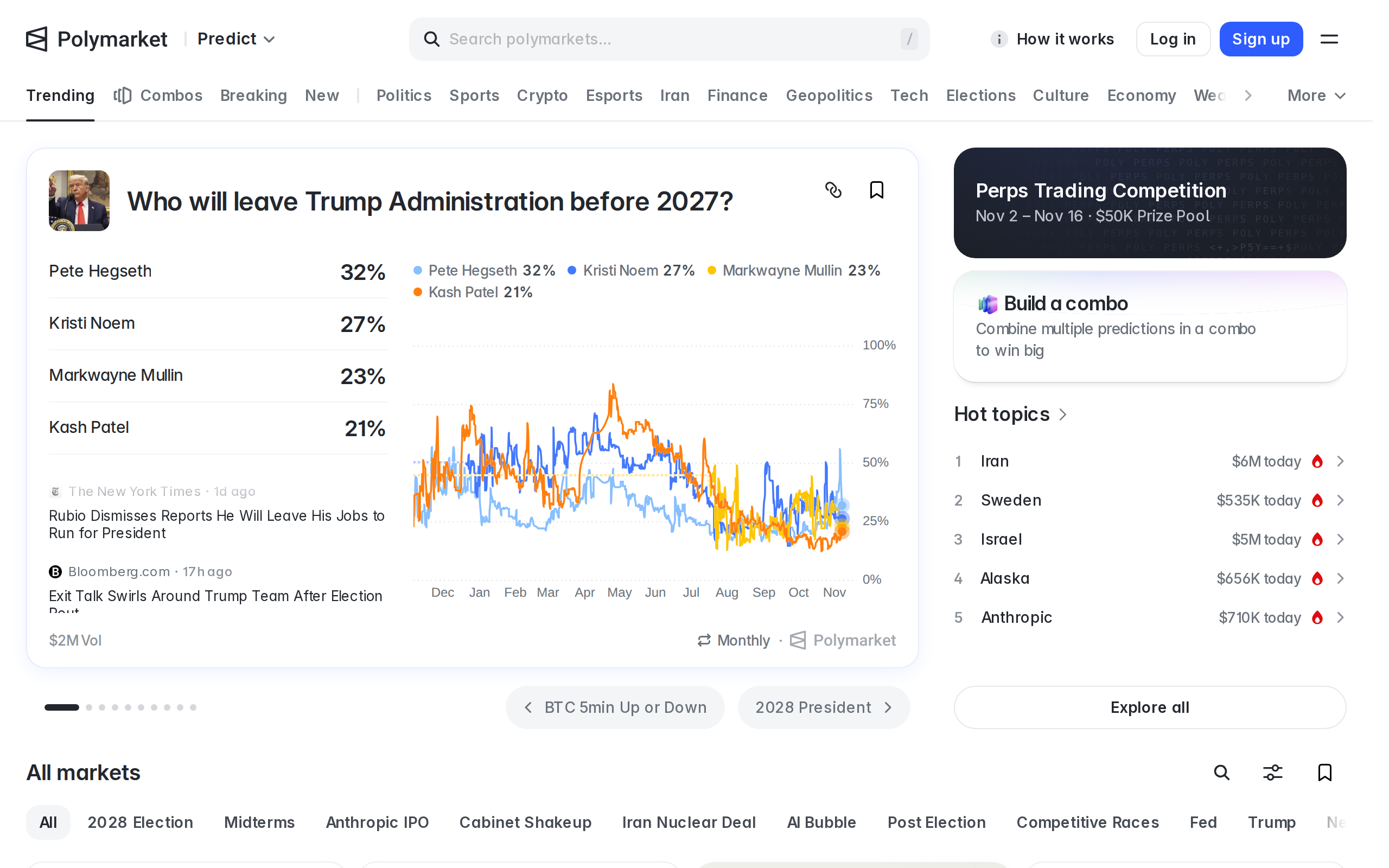
The Politics category lists markets such as who will leave a role in the administration this year, each with traded volume
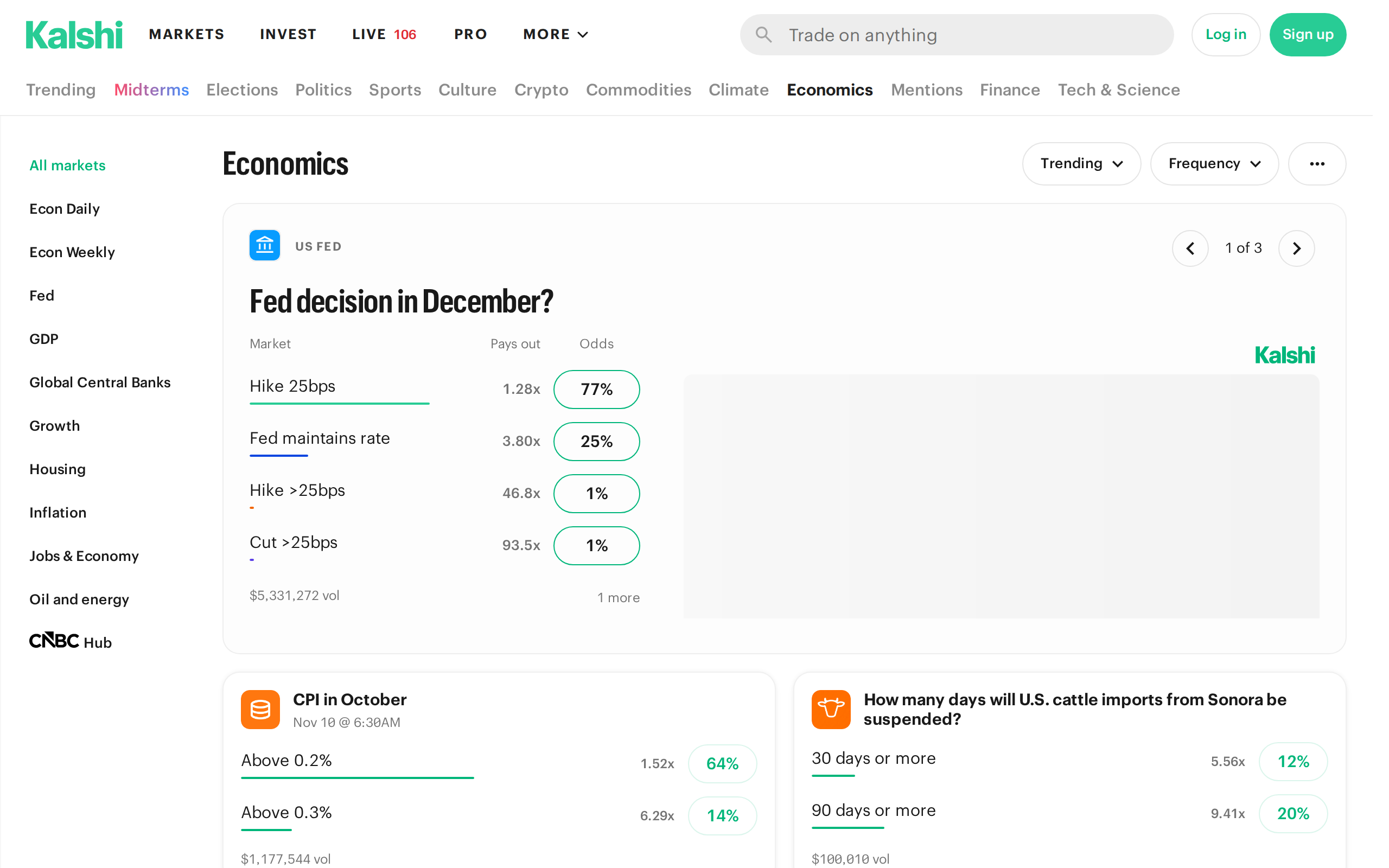
The Economics category, with markets on the next Fed decision and weekly US gas prices
The same account trades politics and macro data. That breadth is useful if you like having a hedge: a bettor who is long on a football futures can also express a view on something unrelated without opening a second platform. It also means the site is built for traders first and sports fans second, so the interface rewards patience over speed.
The legal question we cannot settle for you
Kalshi's help center says the company is subject to U.S. regulatory oversight by the CFTC, and that is a real difference from an unlicensed offshore site. But federal oversight of event contracts and state gambling law are separate questions, and several state regulators have taken the position that sports contracts are sports wagering. Court outcomes have not been uniform, and the picture changes by state and by month.
For you, that means two practical risks: a market you trade today could be restricted where you live, and the rules about taxes and reporting differ from a licensed sportsbook's. We are not lawyers and nothing here is legal or financial advice. Read your state's current position first.
Support and onboarding
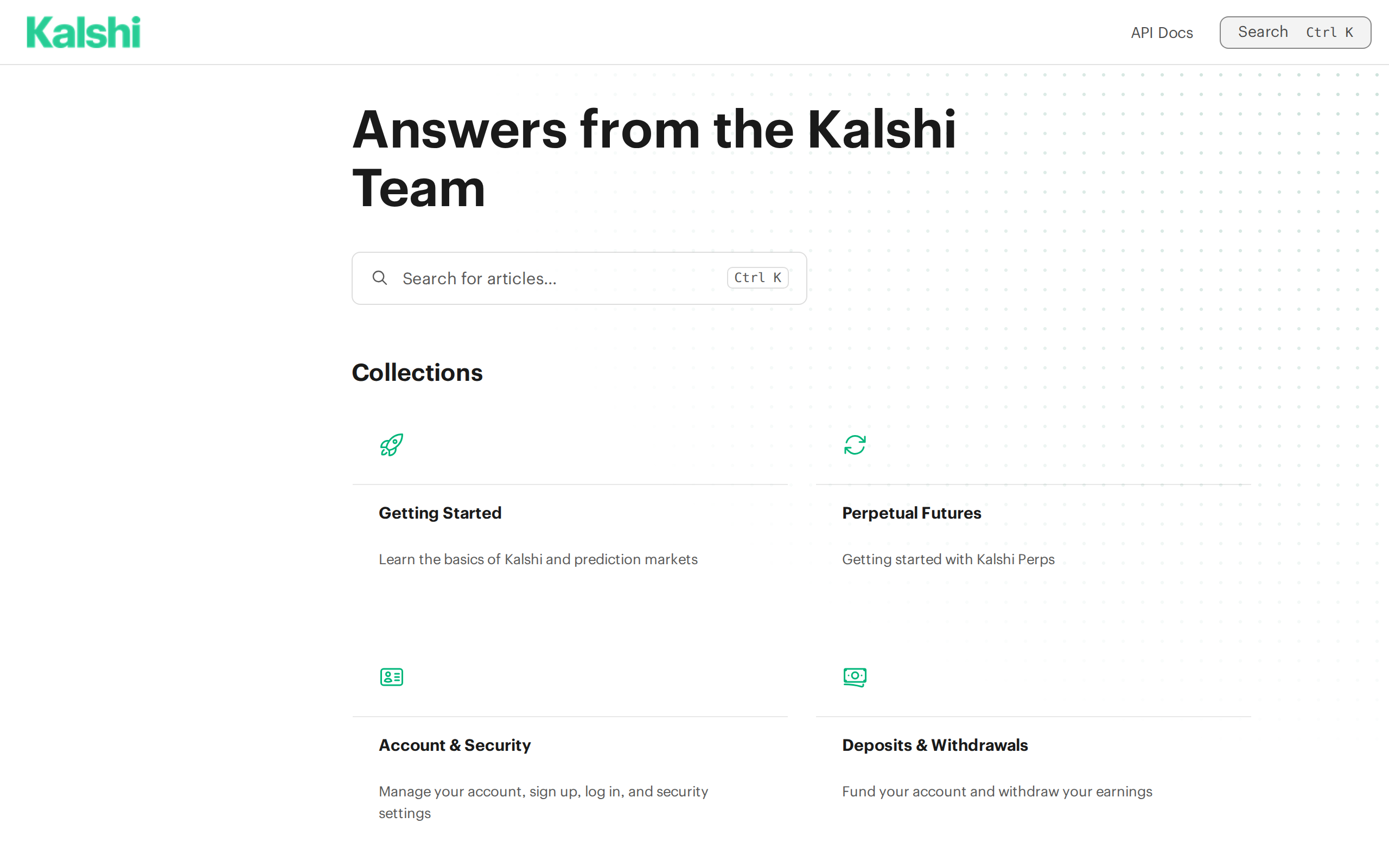
The Kalshi help center, showing collections for the basics of prediction markets, account management and security
The help center is organised into collections, including a section on deposits and withdrawals. It answers the how-do-I questions well. What it did not give us in the pages we read was a plain-language statement of fee rates or sports availability by state, which is why we are pointing you to the fee schedule instead of quoting it ourselves.
Who should use it, and who should not
Use Kalshi if you value a price you can read, you mostly hold to settlement, and you are comfortable with the possibility that availability changes. A bettor who places a handful of moneyline or spread positions a week will likely pay less than the equivalent sportsbook margin.
Skip it if your play is parlays and promotions, if you scalp small moves (the per-trade fee punishes that), or if you need regulatory certainty in your state. Any market can go to zero, and prediction contracts are no exception: only trade money you can afford to lose.