Cash App Bitcoin review: free on a schedule, 2% on a small buy
Cash App advertises zero fees and zero spread on bitcoin, but a market buy under $500 costs 2.0%. We read its pricing table, withdrawal terms and the CFPB order against its owner.
Best forUS beginners buying bitcoin on a schedule and withdrawing it
Full fee ledger
- Price
- Free to join; fees shown at purchase
- Operator
- Block, Inc.
- Market buy fee, $1 to $499
- 2.0%
- Market buy fee, $500 to $999
- 1.5%
- Market buy fee, $1,000 to $1,999
- 0.9%
- Market buy fee, $2,000+
- 0%
- Auto Invest and Round Ups
- 0% fee
- Minimum purchase
- $1
- Standard withdrawal
- Free, 24 hours or less
- Withdrawal limits (Feb 2026)
- $10,000 daily, $25,000 weekly, per Bitcoin Magazine
Our verdict
Cash App Bitcoin is an easy first step for US users: a $1 minimum, 0% on Auto Invest, Round Ups and buys of $2,000 or more, and free standard withdrawals to your own wallet. A one-off market buy under $500 costs 2.0%, it sells nothing but bitcoin, and Block paid a CFPB penalty in 2025. This is reporting, not personal financial advice.
What works
- 0% fee on Auto Invest, Round Ups and Paid in Bitcoin, per the pricing table
- Minimum purchase of $1 and fee shown before you confirm
- Standard withdrawals to an outside wallet are free, within 24 hours
- Buys of $2,000 or more carry no fee or spread since February 2026
What does not
- One-off market buys cost 2.0% under $500 and 1.5% from $500 to $999
- Bitcoin is the only coin on offer, with no altcoins or order book
- Block paid a $55 million CFPB penalty in 2025 over fraud and support failures
- Rush and Priority withdrawals add up to $2 and $3 plus a pro rata fee
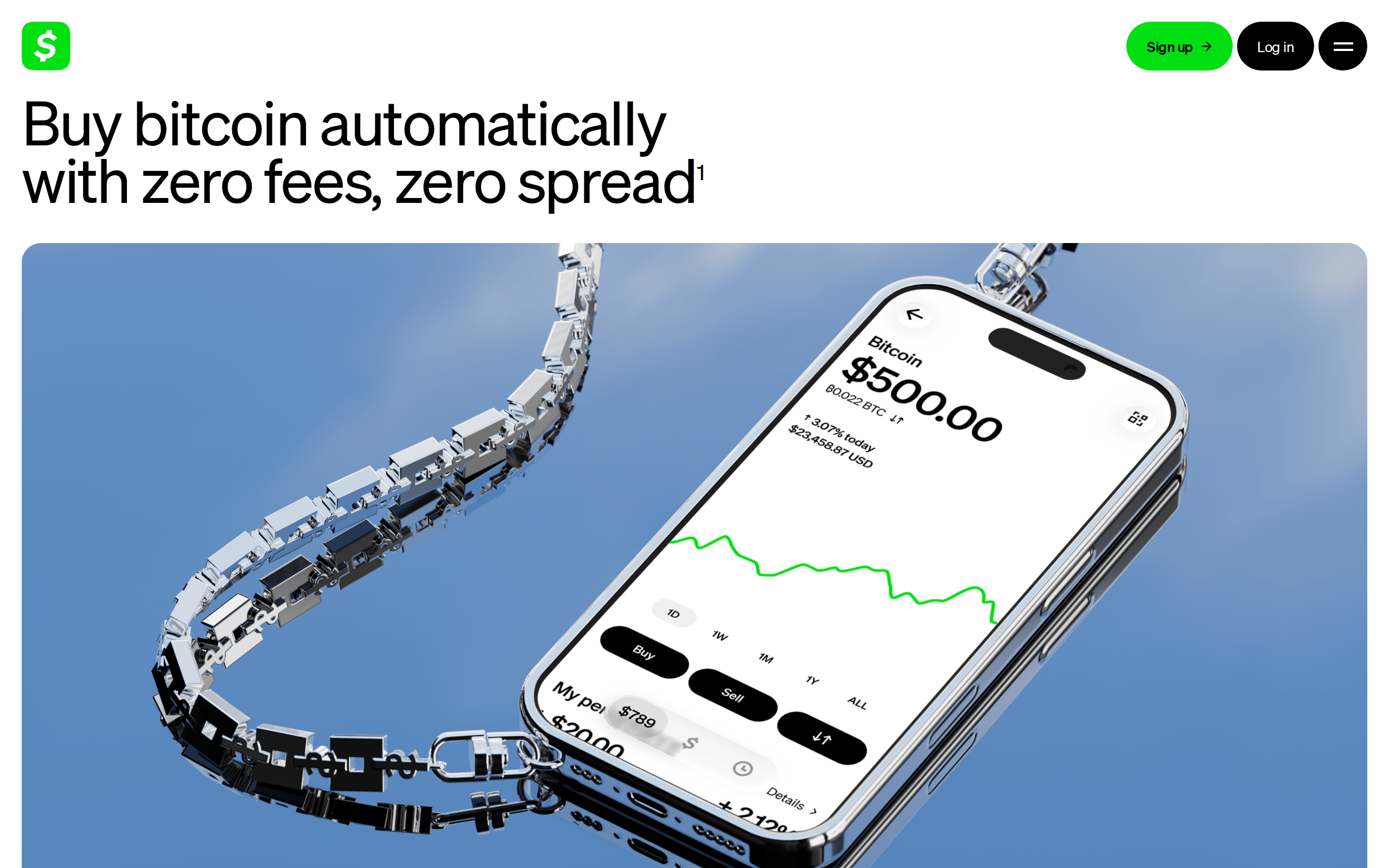
Cash App's bitcoin page opens with "zero fees, zero spread", and the small print under it decides whether that is true for you. It is true if you buy on a schedule. It is not true if you tap Buy on a Tuesday: a market purchase under $500 costs 2.0%. The product is also narrow by design. This is a place to buy and withdraw bitcoin, not an exchange with a catalogue, and for many Americans that is exactly the point. We read the published pricing table, the press release behind the latest changes and the regulator's record on the company. None of it is personal financial advice.
Read the fee table before the headline
Cash App's help page "Bitcoin Pricing" gives the numbers. The fee on a market buy or sell depends on the size of the trade.
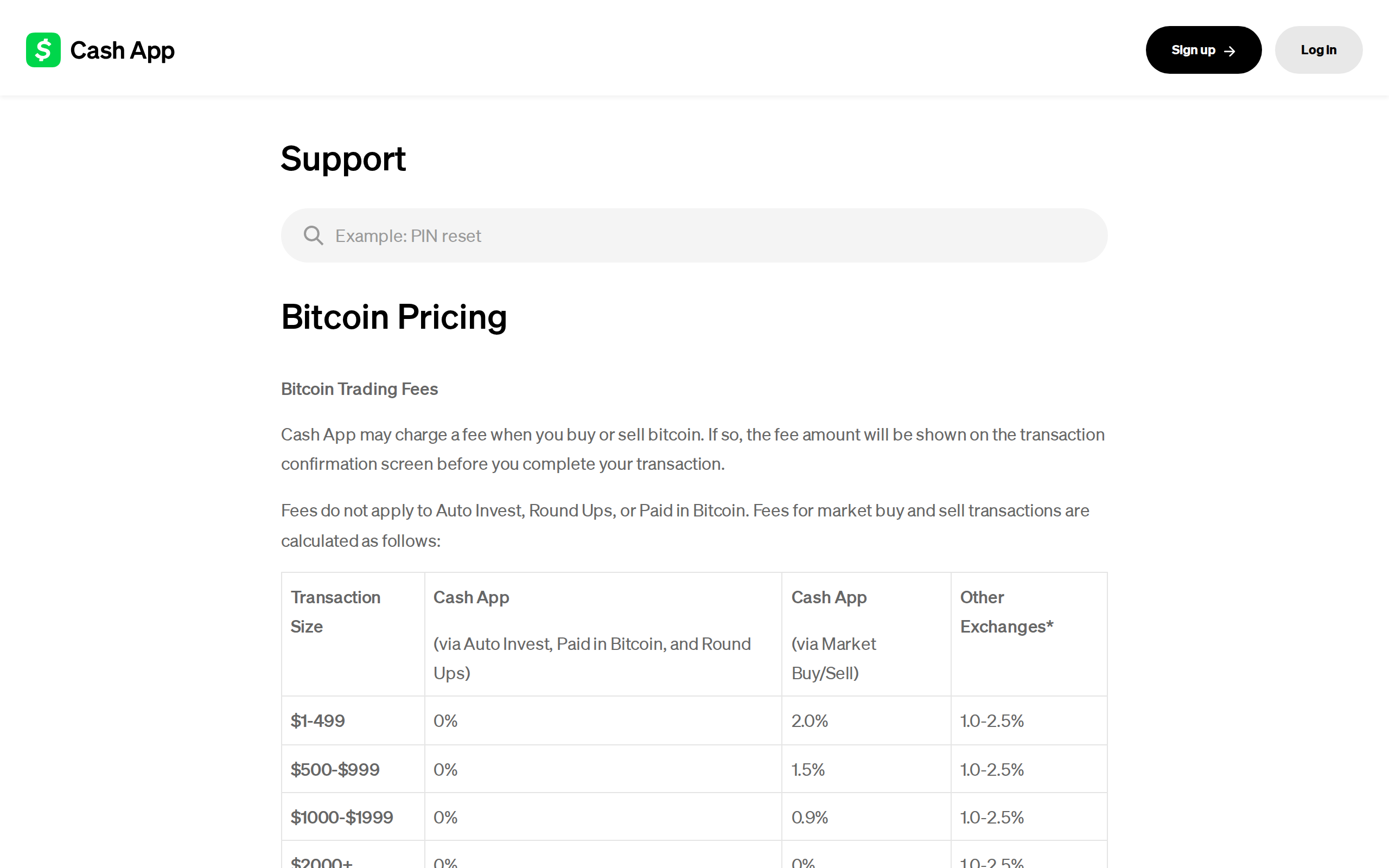
$1 to $499: 2.0%
$500 to $999: 1.5%
$1,000 to $1,999: 0.9%
$2,000 and above: 0%
The same table shows a 0% fee for Auto Invest, Round Ups and Paid in Bitcoin, and 1.0% to 2.5% in a column labelled "Other Exchanges", which is Cash App's own comparison and carries an asterisk. Cash App says it will show the fee on the confirmation screen before you complete a trade, and that rule matters, because a 2% fee on a $100 purchase is $2 you would not otherwise notice.
The pattern is easy to read. Small, one-off buys are the expensive way in. Scheduled buys and large buys are free. A person who sets a weekly Auto Invest and never taps Buy gets what the headline promises.
What changed in 2026
On 9 February 2026 Cash App published a press release saying it was removing fees and spreads entirely on buys over $2,000, and raising withdrawal limits by a factor of five for eligible customers. Bitcoin Magazine reported the new ceilings as $10,000 a day and $25,000 a week, up from $2,000 and $5,000.
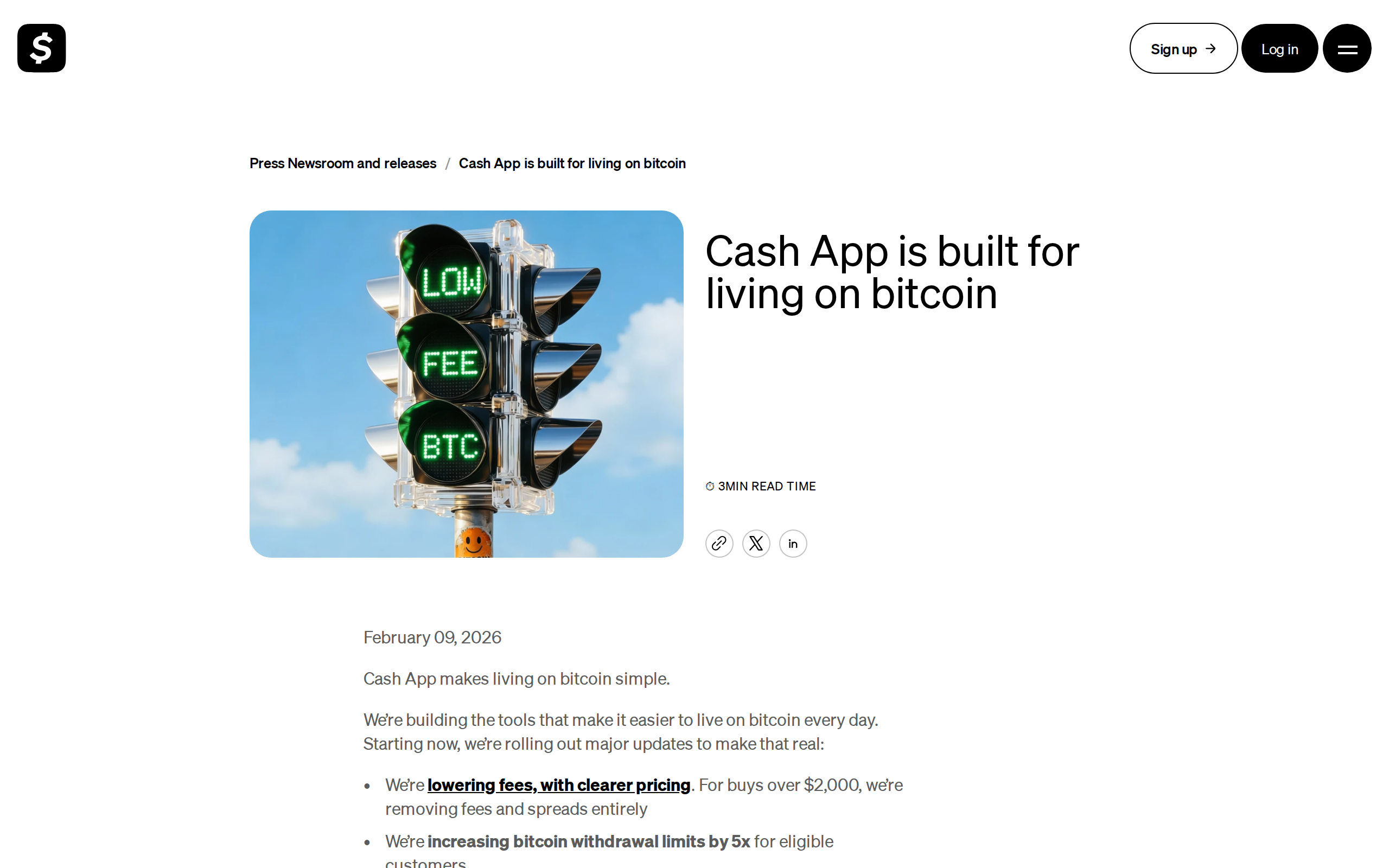
The release frames the app as a place to live on bitcoin, with direct deposit into it and payment in it. Those features suit a worker who wants part of a paycheque in bitcoin without a separate exchange account.
Getting your coins out
The question that separates a bitcoin app from a bitcoin trap is whether you can leave. Cash App lets you withdraw to an outside wallet. Standard withdrawals, finished within 24 hours, are free. Rush withdrawals, within about two hours, cost a pro rata fee plus up to $2. Priority withdrawals, within about ten minutes, cost a pro rata fee plus up to $3. Cash App pays the network fee on your behalf and charges you for it at the time of the transaction.
The company says every bitcoin it sells is held 1:1 in reserve, with no lending and no fractional reserve. That is a statement from Cash App, and we did not test it. It is a reasonable one to want, given how other platforms have failed.
One coin, and why that is both the strength and the limit
The page for bitcoin says Cash App is built for bitcoin and stablecoins, not memecoins or speculative assets. For this review the relevant product is bitcoin, and it is the only coin you buy and sell here. There are no altcoins, no staking menu and no futures.
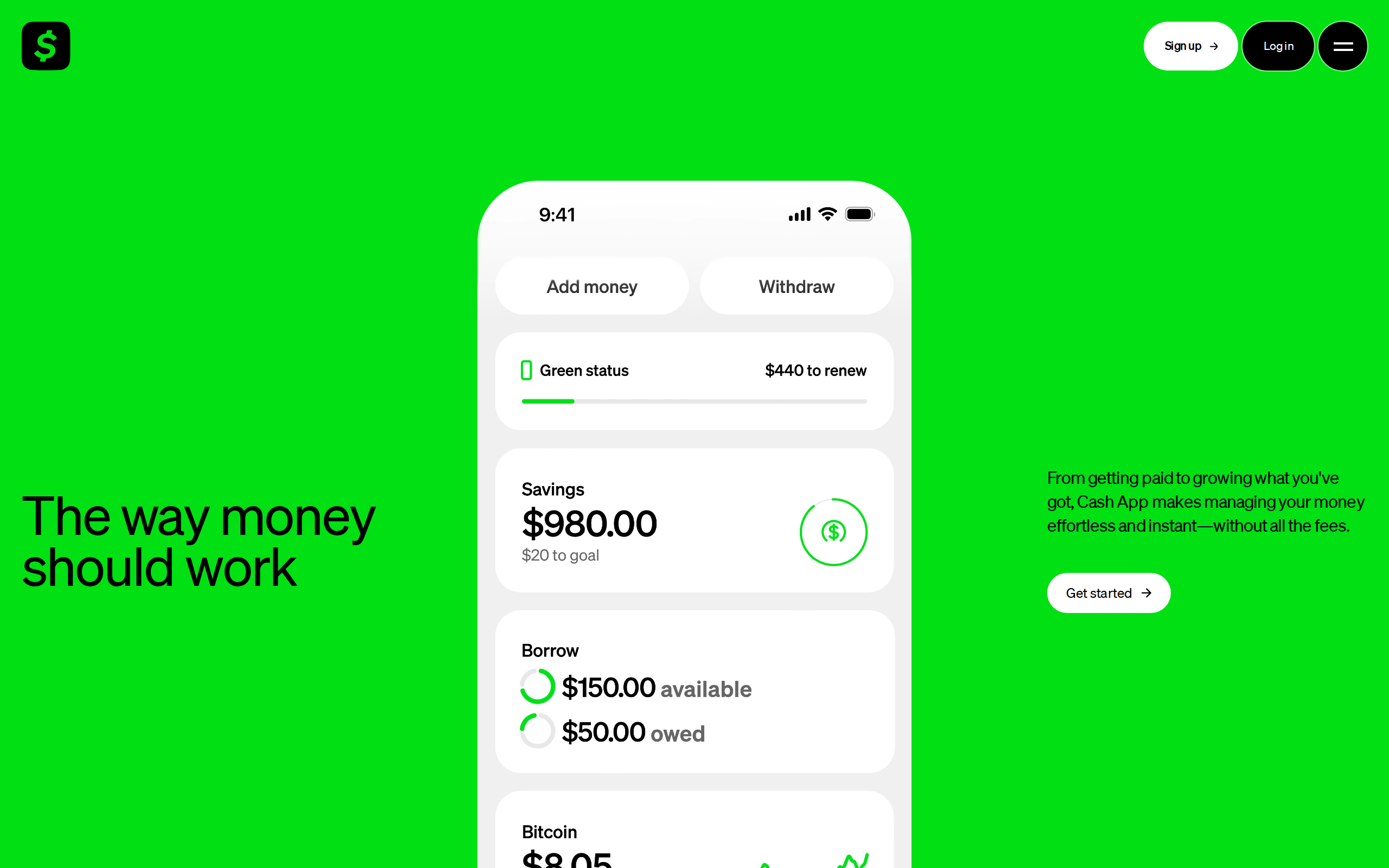
That makes the app easy to understand and hard to misuse. It also means that anyone who wants Ethereum, a stablecoin yield or a limit order must go elsewhere. There is no order book to read; you get a price and a confirmation screen.
The company record
Cash App is run by Block, Inc. In January 2025 the CFPB ordered Block to pay up to $120 million in consumer redress and a $55 million penalty, citing weak fraud prevention and customer service, including a lack of live phone agents. That order concerned Cash App generally, not its bitcoin product, but it is relevant to anyone who might need help in a dispute. Our advice: assume that support will be through the app, and move your coins to a wallet you control when the balance matters.
Verdict
We rate Cash App Bitcoin 6.8. It is a sensible way for a US user to start: a $1 minimum, no fee on scheduled buys, free standard withdrawal, and a simple screen. It is a poor choice for frequent small market trades, where the 2.0% tier bites, and for anyone who wants variety. Use Auto Invest, buy in larger sizes, and withdraw to your own wallet.