The short version
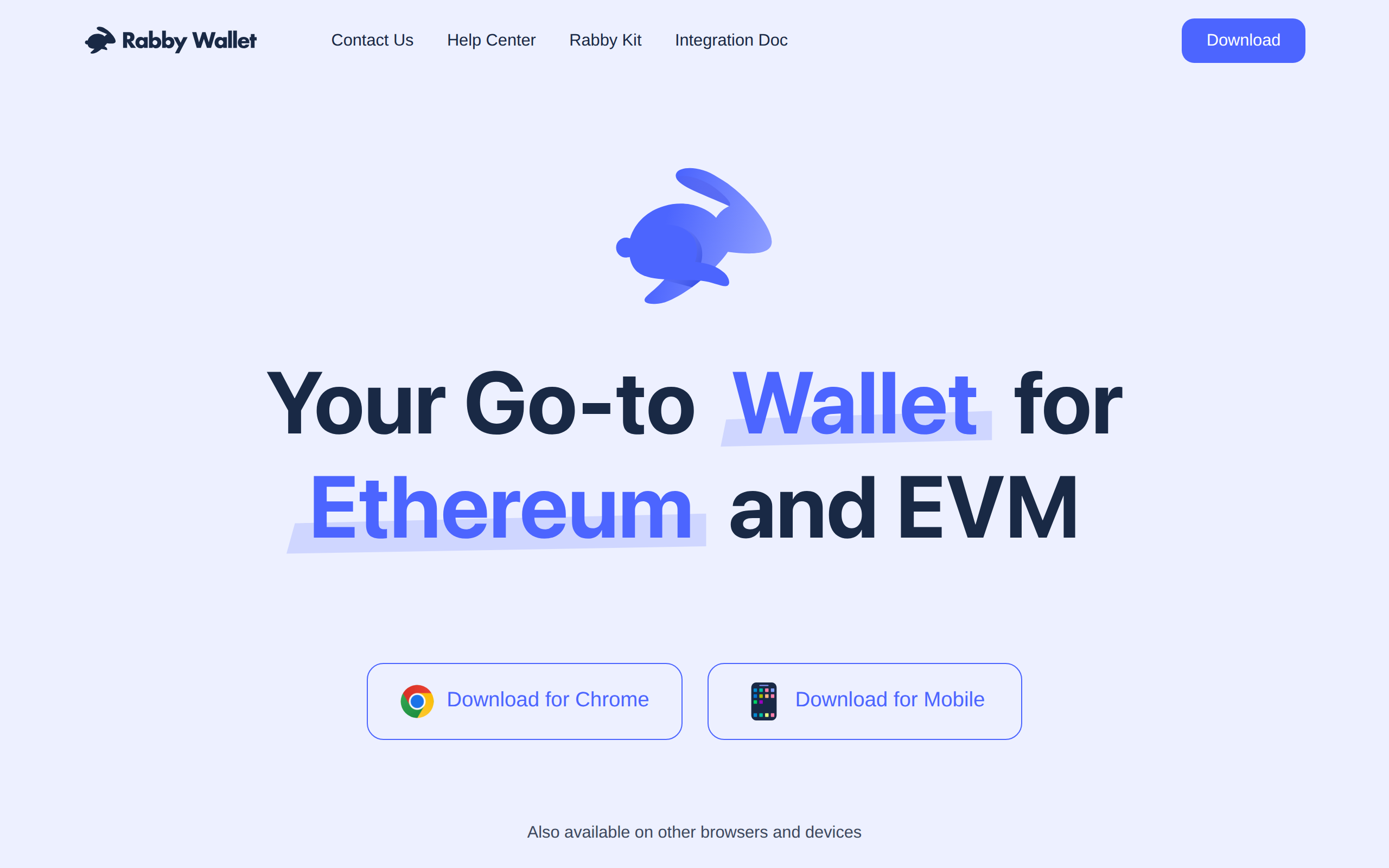
For people who sign many contracts on Ethereum and other EVM chains, Rabby's pre-sign preview and risk flags make it the better daily wallet than MetaMask. It is free, open source and pairs with hardware devices. It is EVM only, it charges 0.25% on its own swaps, and recovery rests on a seed phrase you must guard yourself.
Best for: Active EVM DeFi users who sign many contracts
Our score: 8.2 out of 10
Pros and cons
What works
- Previews token movements and flags risky contracts before you sign
- Open-source code on GitHub with frequent tagged releases
- Built-in approval management to revoke old token allowances
- Works with hardware wallets, so keys can stay offline
- Free to use, with no account and no KYC
What does not
- EVM only: no Solana, no Bitcoin, no other non-EVM chains
- Built-in swaps carry a 0.25% fee on top of network gas
- Recovery depends entirely on the seed phrase, with no cloud backup
- Help material assumes you already know DeFi
- Previews can miss novel scams, so they are not a guarantee
The usual way to lose money in DeFi is not a hack of the wallet. It is a signature you approved without understanding it. Rabby, built by the portfolio-tracker team at DeBank, exists to fix that one moment: the pop-up where a site asks you to sign. The comparison buyers actually make is with MetaMask, so that is where we start.
The signing screen is the product
Rabby decodes the request before you confirm. It shows which tokens leave your account and which arrive, flags contracts that look new, unverified or previously linked to abuse, and warns you when an approval is unlimited. The idea is that a drainer contract looks wrong in plain language, not in a hex string.
MetaMask is no longer a blank slate here. Its alerts are on by default through Blockaid and other providers, as our MetaMask review explains. So the honest comparison is between two previews, not between a preview and nothing. Rabby's difference is that this is the center of its design, not a layer added later, and it sits where you spend your time as a trader. We found no independent head-to-head test that measures catch rates, so treat any claim that one wallet "stops scams" better as unproven.
Approvals and the habit of cleaning up
Rabby includes an approvals view where you can see which contracts can spend which tokens and revoke them. This matters because many losses come from a permission granted months ago to a site you forgot. It is not glamorous, and it is the feature we would tell a new user to run first. Rabby also switches chains automatically for a connected site and shows balances across networks, which cuts the manual network juggling that makes MetaMask feel dated.
Open source, with receipts
The code is public. The GitHub repository shows 346 tagged releases, and each release lists a zip with a checksum, so a careful user can compare what they install with what was published.
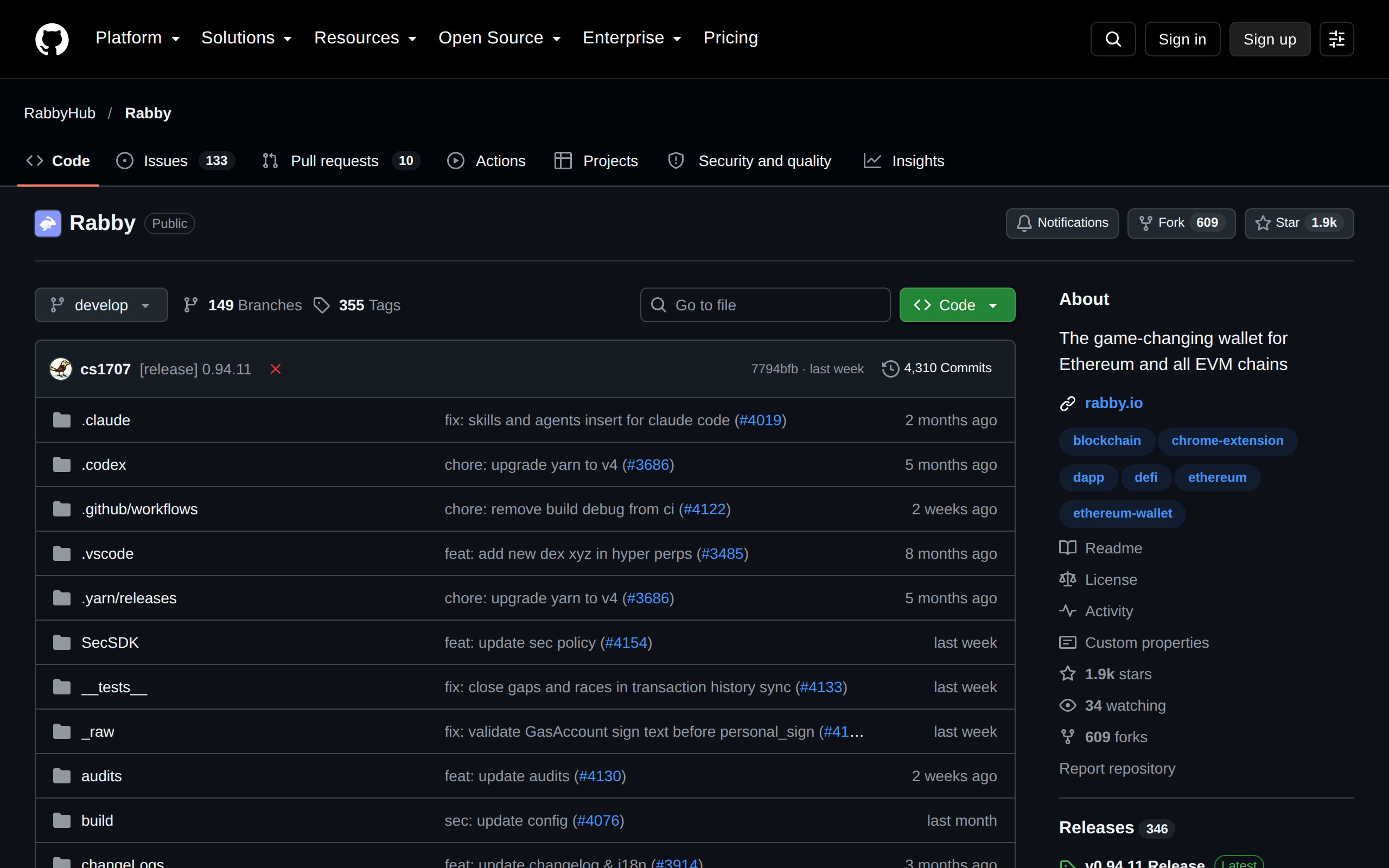
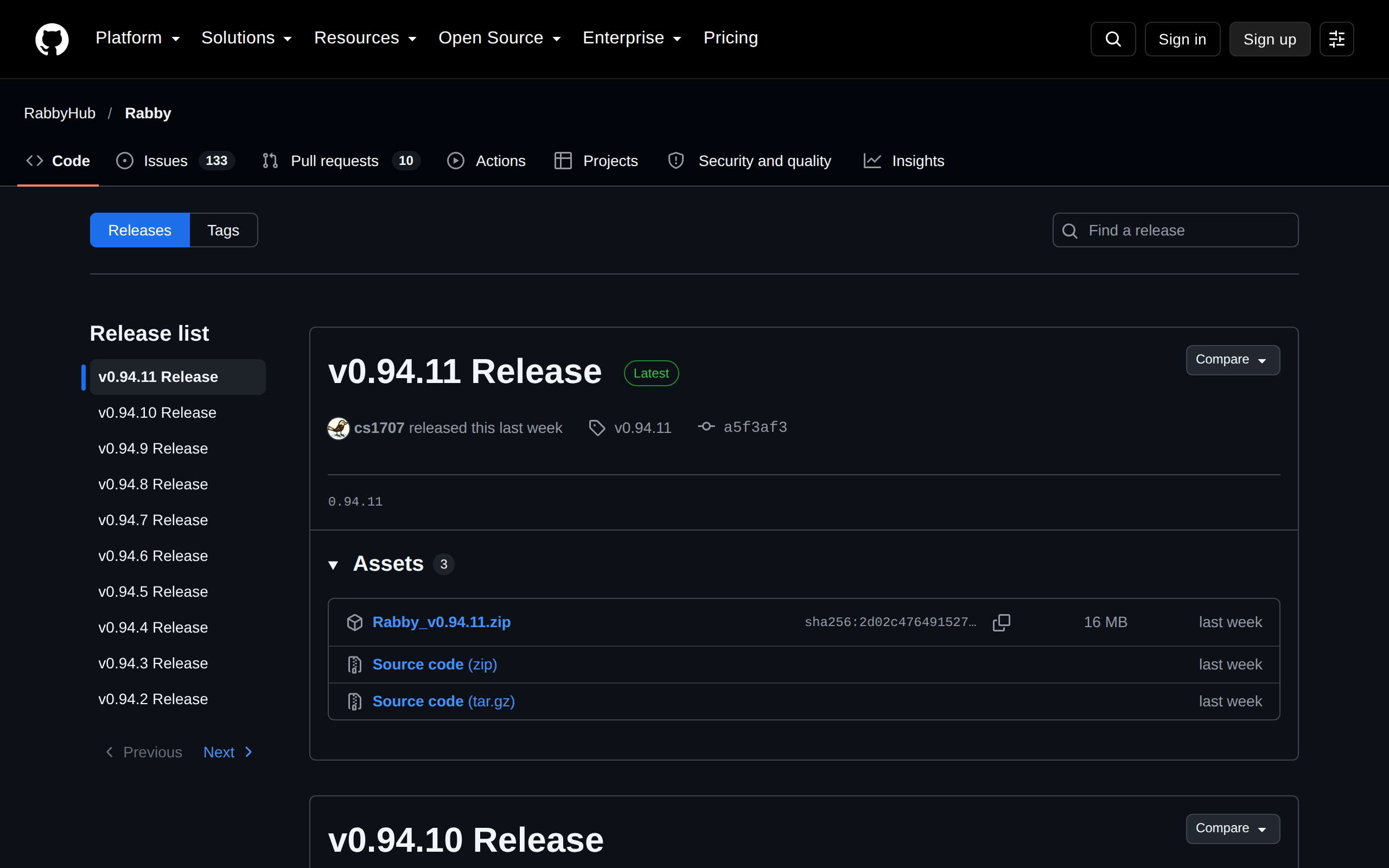
Open source does not equal audited. BlockSec published an audit of the swap router, version 1, and third-party write-ups mention SlowMist, but we could not find a recent full report on the current extension. Read that as a gap in public evidence, not a flaw we found.
A day of use, in practice
The practical gain shows up in routine actions: connect to a lending market, approve a token, deposit, then check what the confirmation says. With Rabby the answer sits in one box above the button. That does not remove the need to think, since a preview only describes what the contract is coded to do, but it shortens the time between a click and an informed decision. For someone who signs ten contracts a week, that adds up.
What it costs and where it stops
The wallet is free. Swaps made inside it add a 0.25% fee on top of network gas, per GN Crypto's review. That is lower than the 0.875% MetaMask takes on its in-wallet swaps, and avoidable altogether if you route through a DEX or aggregator yourself.
The limit is the chain list. Rabby is EVM only. No Solana, no Bitcoin, no Tron. A user with assets on several kinds of chains needs a second wallet, and that second wallet partly defeats the safety argument. Recovery is a seed phrase with no cloud backup, which means a lost phrase is a lost wallet.
Help, and who it is written for
The help center covers balances, NFTs, custom networks and dapp connections.
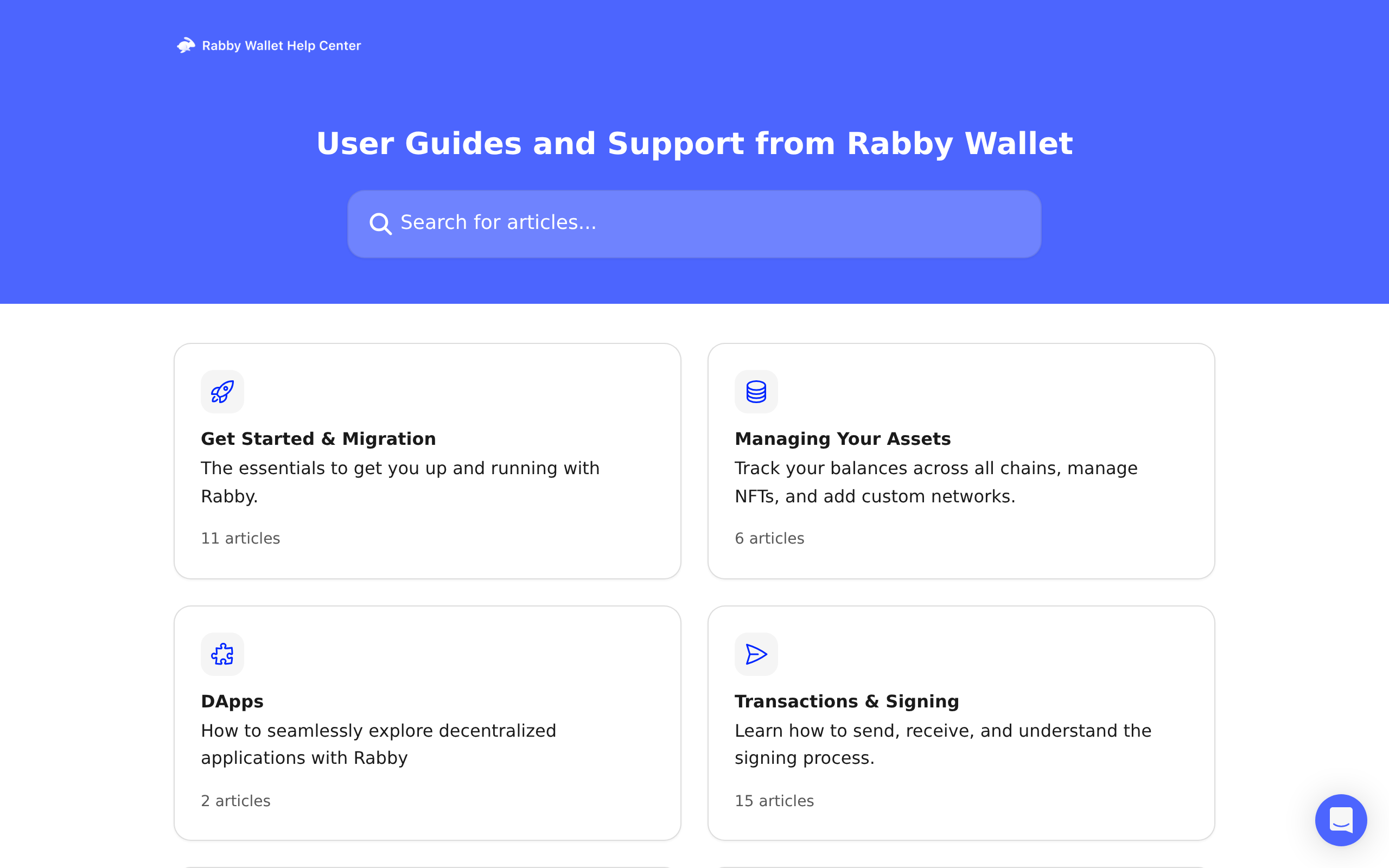
It reads as written for people who already know what a bridge or an allowance is. A first-time user will find the preview helpful and the vocabulary steep. Hardware wallet support lets you keep signing keys on a device while using Rabby as the screen, and for any sizeable balance that is the setup we would pick over a hot wallet alone.
Who should switch
Move to Rabby if you sign contracts weekly on Ethereum, Arbitrum, Base or similar chains and want clearer warnings. Stay with MetaMask if you need Solana or Bitcoin in the same app. Avoid any browser wallet as your only storage for large amounts. This is a tool assessment and not advice on what to do with your funds.
On our scale, Rabby scores well because it does one job with care and states its limits plainly.
Specifications
- Price
- Free; 0.25% fee on built-in swaps
- Maker
- DeBank
- Networks
- Ethereum and EVM-compatible chains only
- Platforms
- Browser extension, mobile and desktop apps
- Custody
- Self-custody; keys stored locally
- Signing checks
- Transaction preview and contract risk alerts
- Approvals
- Built-in review and revoke tool
- Source code
- Open source on GitHub, 346 releases listed
- Audits
- BlockSec audit of the swap router v1; SlowMist reported