The short version
Lighter is a genuinely zero-fee way to trade perpetuals, and the fee table in its docs is clear about what you give up: standard orders wait 300 ms. For a position held for hours that delay barely matters; for scalping it is the real cost, and critics say it can exceed a premium account's fees many times over. Add leverage risk and a rough token launch, and it suits informed traders only.
Best for: Swing and position traders who want perpetuals without paying maker or taker fees
Our score: 7.0 out of 10
Pros and cons
What works
- Standard accounts pay 0 maker and 0 taker fees, stated plainly in the docs
- Order matching and liquidations are proven with zk circuits and verified on Ethereum
- Premium tiers start at 0.004% maker and 0.028% taker, with latency cut to 140 ms
- Docs publish account types, latency and audit pages in the open
What does not
- Standard taker orders carry a 300 ms delay, which can cost more than the fee saved
- Perpetuals with leverage can liquidate a position fast; losses can exceed expectations
- Users reported 'Too many L2 Withdrawals' errors around the LIT token launch
- Post-launch token weakness and thin disclosure on allocation worry observers
Free has a clock on it
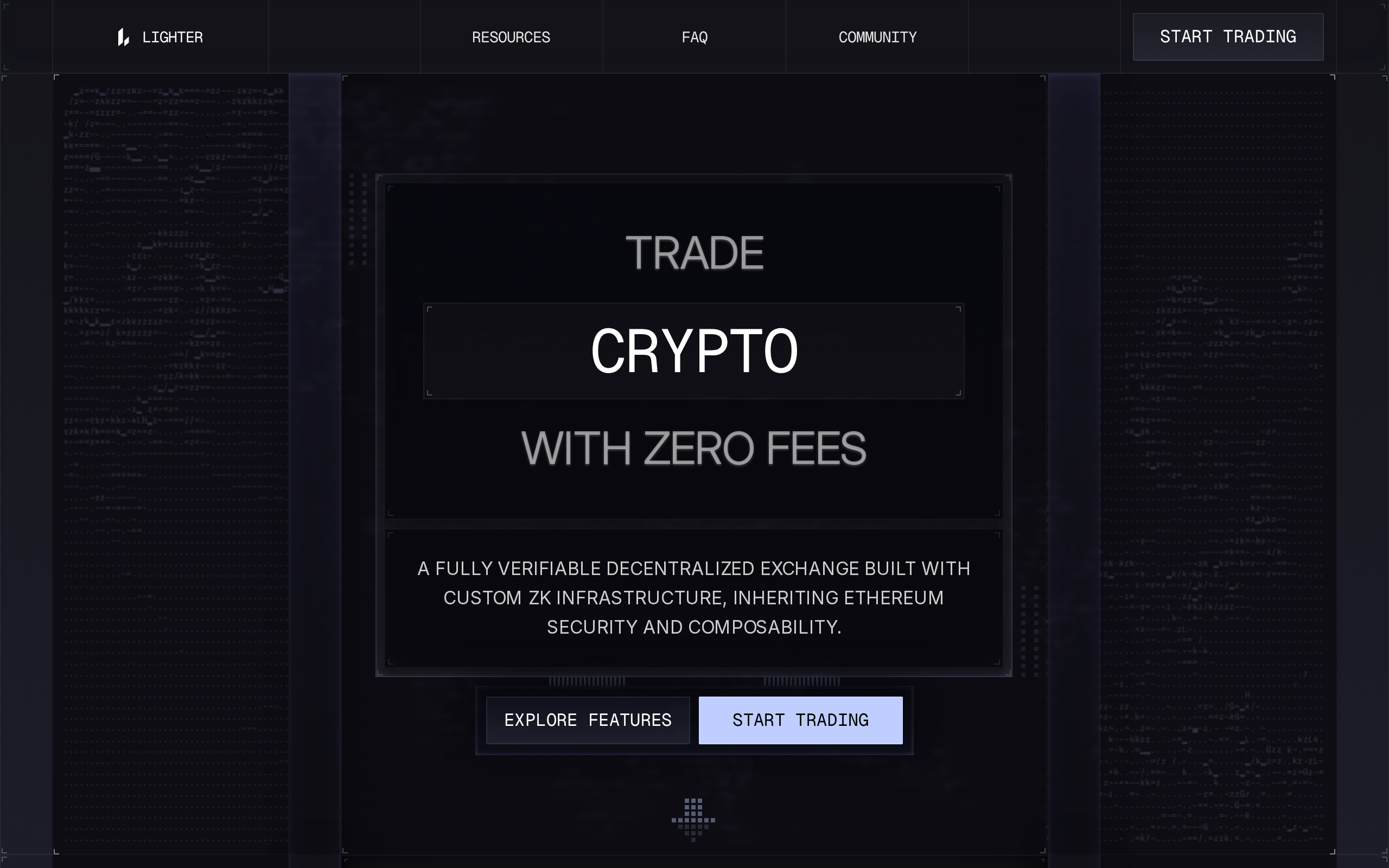
Lighter's pitch fits in four words: trade crypto with zero fees. It is a perpetual futures exchange built on a zero-knowledge rollup over Ethereum, and for a standard account the maker and taker fee is exactly 0. We checked the docs instead of the marketing page, and the free tier is real. So is the footnote. Standard taker orders wait 300 ms. Paying accounts wait 140 ms.
Whether that gap matters is the whole review.
The fee table, read line by line
The fee page in the docs splits accounts into three.
Standard (free): 0 maker, 0 taker, 300 ms taker latency, 0 ms maker latency, up to four sub-accounts.
Plus: a flat 0.5 basis points, 300 ms taker, 200 ms maker and cancel latency, and a higher limit of 4,000 transactions a minute.
Premium: from 0.004% maker and 0.028% taker with no staking, falling to 0.0028% and 0.0196% if 500,000 LIT is staked. Taker latency is 140 ms on every tier.
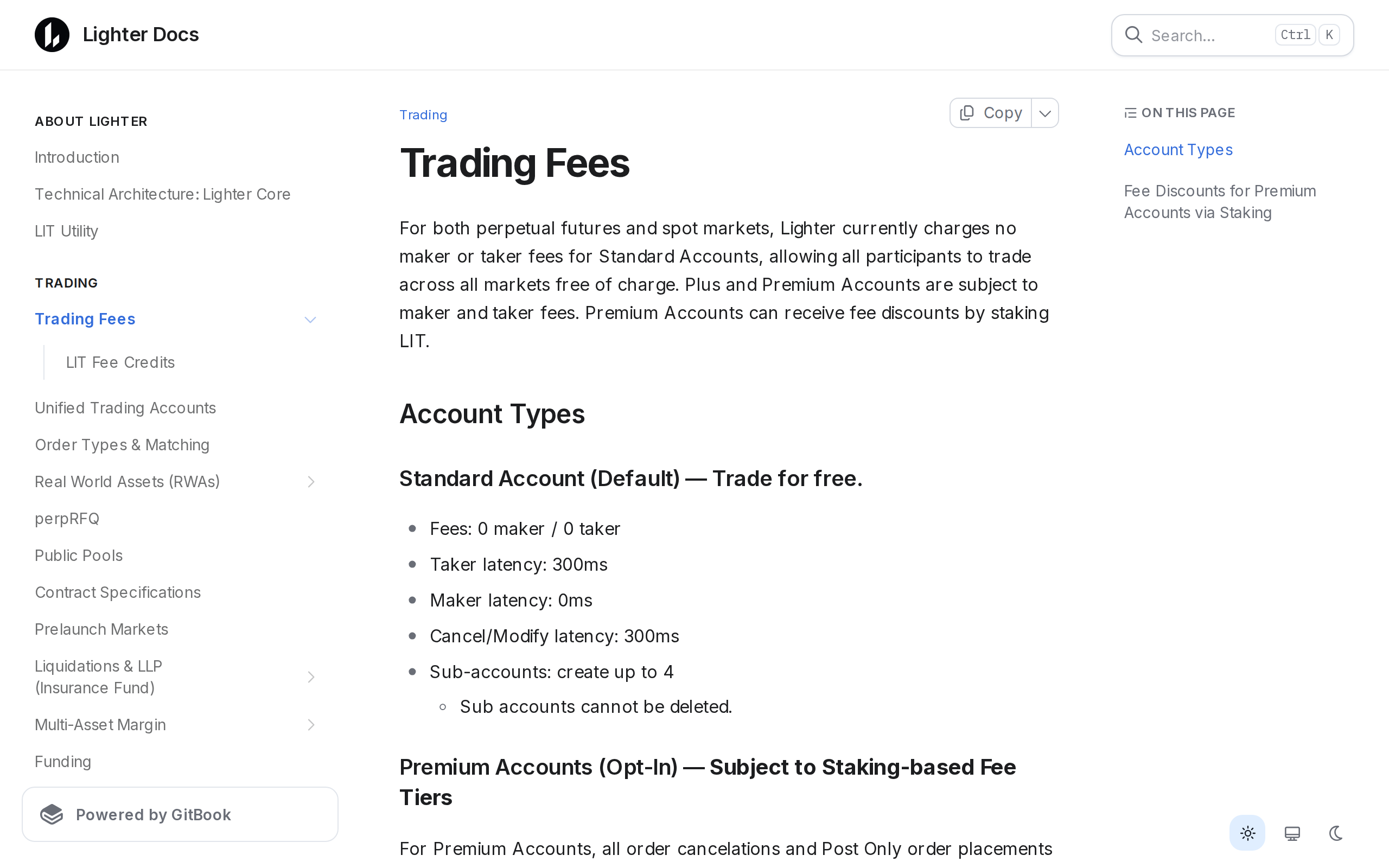
Note what is missing. The page names no withdrawal fee, and it gives no per-market spread. Both matter to the final cost of using the venue.
Who is on the other side of the book
A zero-fee venue still needs liquidity, and liquidity providers do not work for nothing. On Lighter, the people who make markets are paying for speed: maker orders from a standard account have 0 ms latency, which is the good end of the table, while takers wait. That arrangement favours resting limit orders and punishes market orders. If you can express a trade as a limit order, you take most of the sting out of the delay, and the free tier looks much better.
Where 300 ms bites
A taker order is one that crosses the book and takes liquidity. If the price moves in the 300 ms before your order lands, you fill at a worse level than the one you clicked. This is slippage by delay, and it is invisible in the fee column. Critics put it bluntly: for active traders the real cost of the free account can run five to ten times that of a premium one. We could not verify that multiple ourselves, so treat it as an estimate from an interested party, but the mechanism is sound.
Zero fees are cheapest for people who trade rarely and hold long. They are costliest for the people who trade most.
Run the arithmetic for a trader opening a position once a week at $5,000. A premium taker fee of 0.028% is $1.40 each way. A 300 ms disadvantage on a calm day may cost less; on a volatile one, a few tenths of a percent of $5,000 would exceed the fee. The free tier wins on calm days and loses in a fast market, which is when you most need to be filled.
What is under the hood
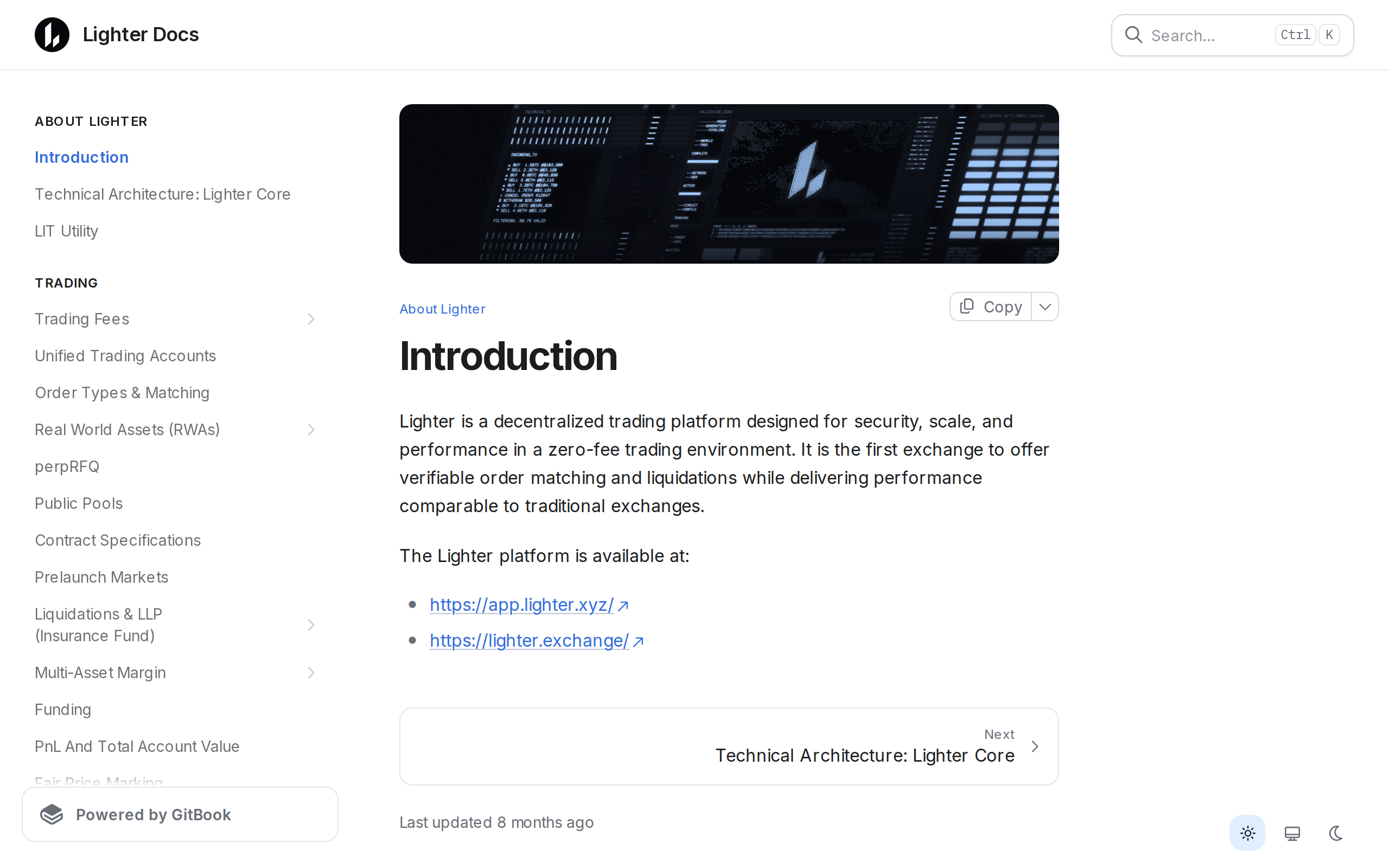
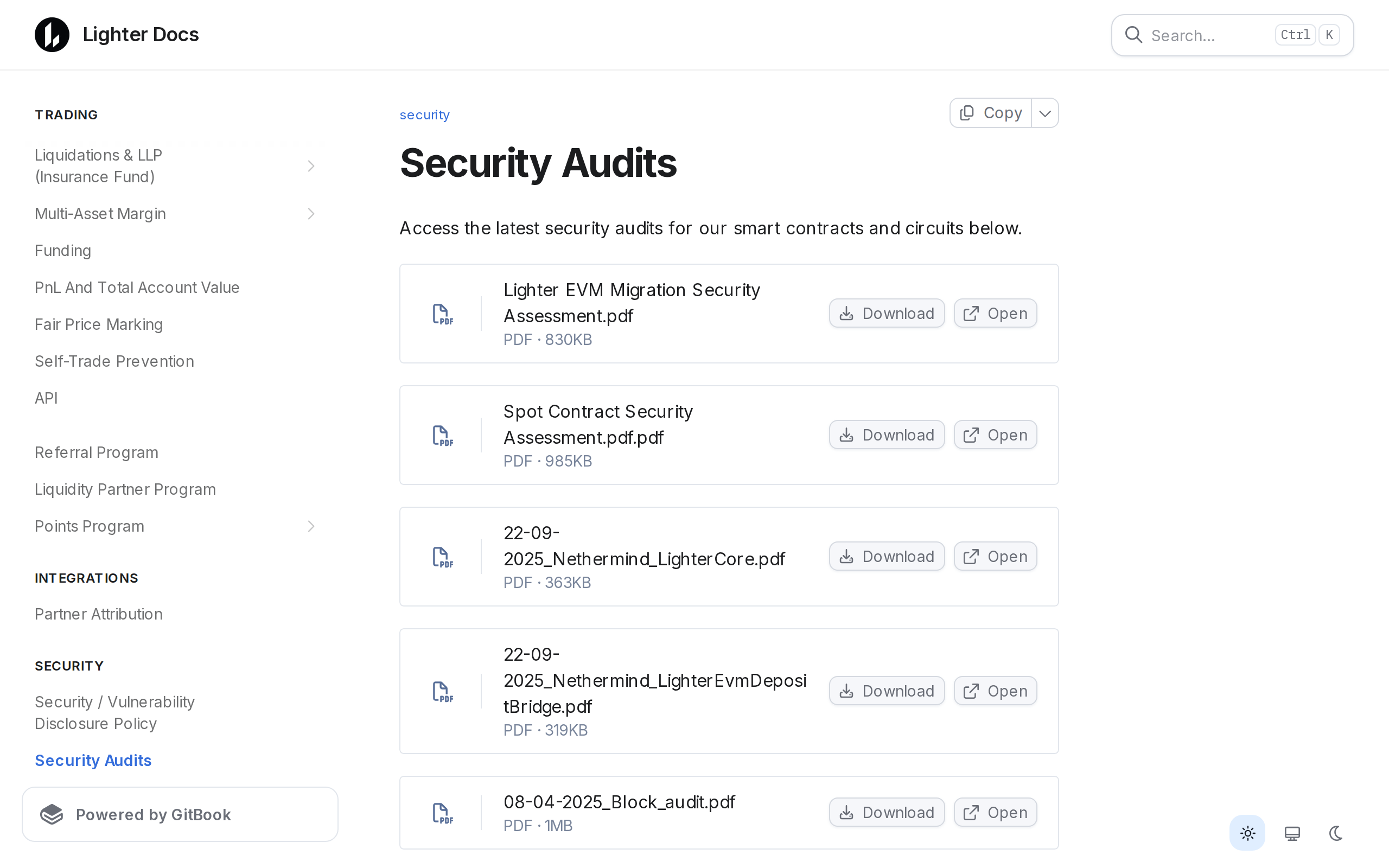
Lighter says its matching engine and liquidations run in custom zk circuits, and every operation is checked on Ethereum. That is a stronger claim than most perpetuals venues make, and the project publishes an audits page and a whitepaper link. We give credit for it, but a proof system only proves that rules were followed; it does not prove the rules are kind to you.
The record since the token launched
The less flattering chapter came with the LIT token. The Defiant reported that the project announced it late on 29 December and listed it hours later. The next day users saw "Too many L2 Withdrawals" errors and delayed exits. The same outlet later covered a token that fell from about $7.86 to $2.54 as farming volume moved to other venues, with daily volume down from a $7 to $12 billion peak range to about $1.73 billion at one low. Observers also complained that allocation and vesting were poorly explained.
None of this proves the product is unsafe. It does show that a rollup's withdrawal queue can jam when demand spikes, and funds sitting there are not instantly yours.
Verdict
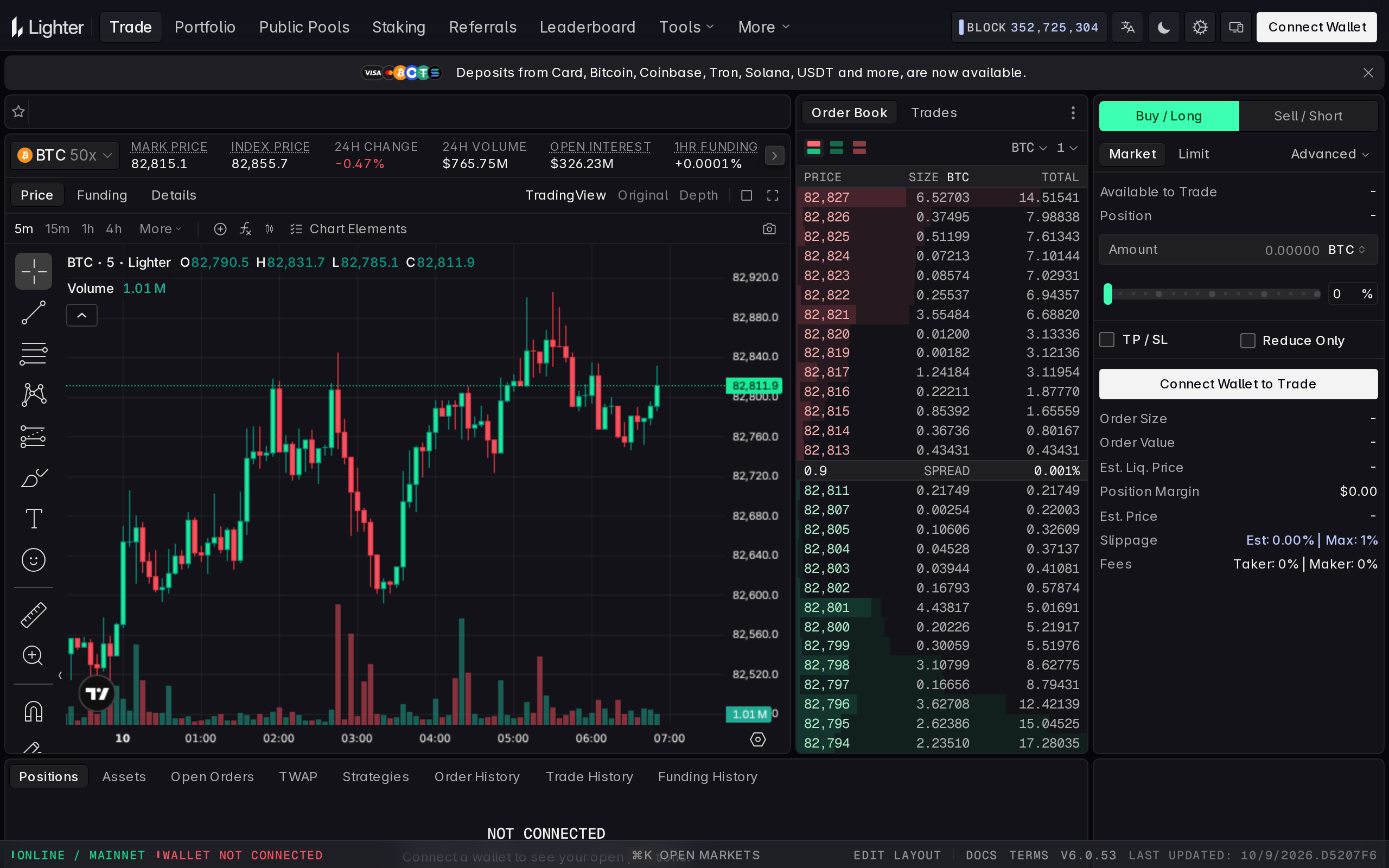
Using the trade screen, you connect a wallet and the page shows open positions only after you do. Nothing about onboarding is hard.
Our score of 7.0 reflects an honest fee table, a serious technical design and a launch that left scars. Leverage can liquidate a small account quickly, and none of this is a suggestion to trade. If you are a patient swing trader who values a free fee schedule, Lighter deserves a look. If you scalp or lean on market orders in fast moves, pay for Premium or choose a venue where the latency gap does not exist.
Specifications
- Type
- Perpetual futures DEX on a zk rollup over Ethereum
- Standard account fees
- 0 maker / 0 taker
- Standard latency
- 300 ms taker, 0 ms maker
- Premium account fees
- 0.004% maker, 0.028% taker; lower with LIT staked
- Premium taker latency
- 140 ms
- Plus account
- 0.5 bps flat; 4,000 sendTx per minute
- Sub-accounts
- Up to 4 on a standard account
- Custody
- Self-custody via connected wallet
- Peak 30-day volume (reported)
- About $227 billion at the top