The short version
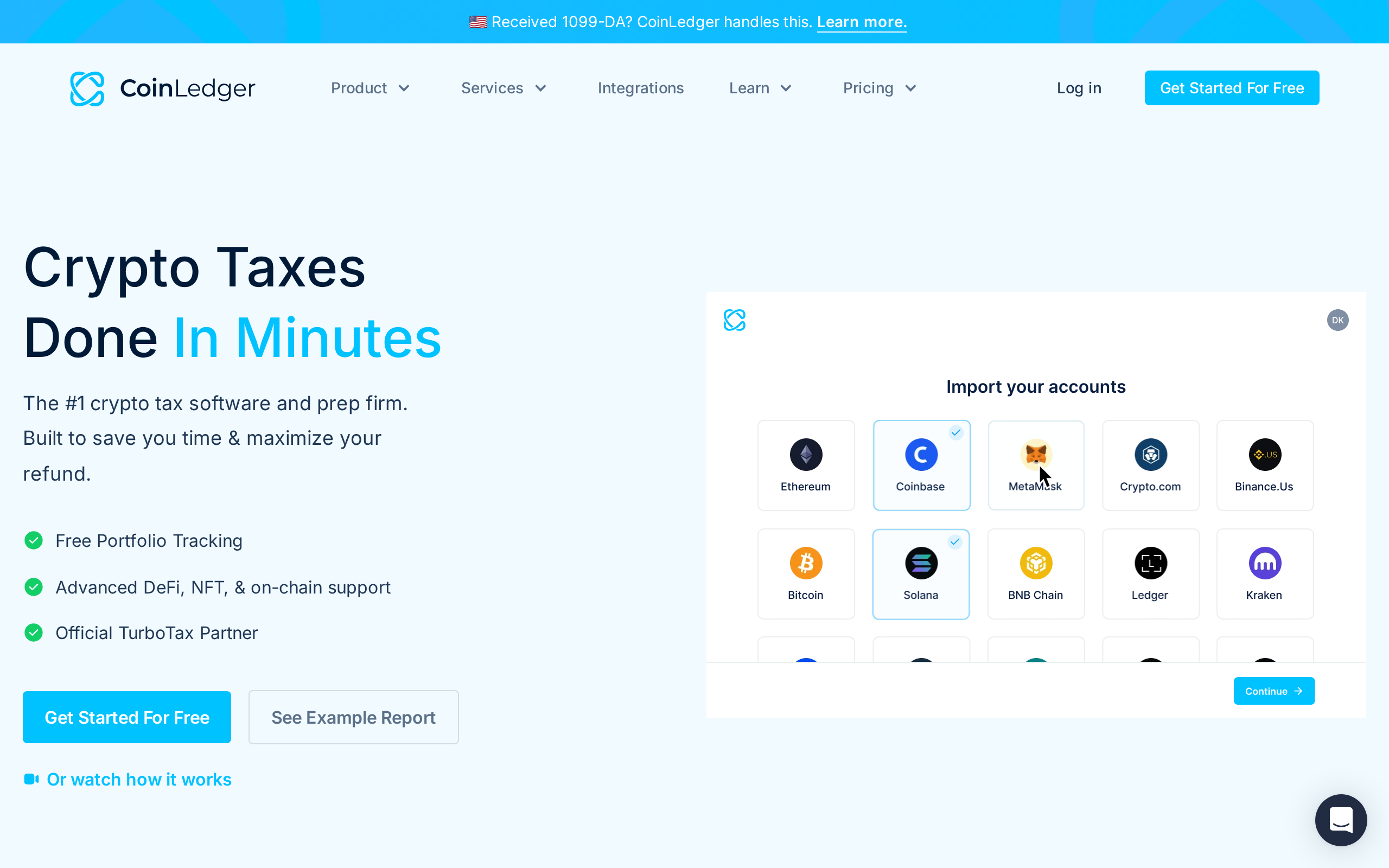
CoinLedger produces clear US-style reports and its price is easy to predict, which suits holders with a few hundred transactions on exchanges and wallets. It is a weaker fit for DeFi-heavy users: yield farming and token swaps create missing-cost-basis flags that you still reconcile by hand, and fees climb with transaction count. Budget time for cleanup, not just the fee.
Best for: US filers with moderate volume and some DeFi
Our score: 7.3 out of 10
Pros and cons
What works
- Free preview of gains before you pay for the report
- Flat per-tax-year plans, from $49 for up to 100 transactions
- Exports to TurboTax, TaxACT, H&R Block Desktop and TaxSlayer
- Flags missing cost basis and says which transaction causes it
- Live chat support and a 14-day money-back guarantee
What does not
- Cost rises with transaction count: $99 at 1,000, $199+ beyond
- DeFi and farming history often leaves cost basis gaps to fix by hand
- Report formats lean toward US filing rules
- Accuracy depends on importing your complete history first
- Paid expert review has drawn mixed reports from users
A tax tool is judged in March, not in the demo. The question for a DeFi-heavy user is plain: after you import a year of swaps, bridges and farm deposits, how much of the report can you trust without a weekend of repair? CoinLedger says it handles DeFi, NFTs and on-chain activity. We looked at how far that holds, and what you pay to find out.
The price is the tax-year transaction count
You can connect accounts and see a preview for nothing. The paid plans are one-time, per tax year, and sized by how many transactions you have:
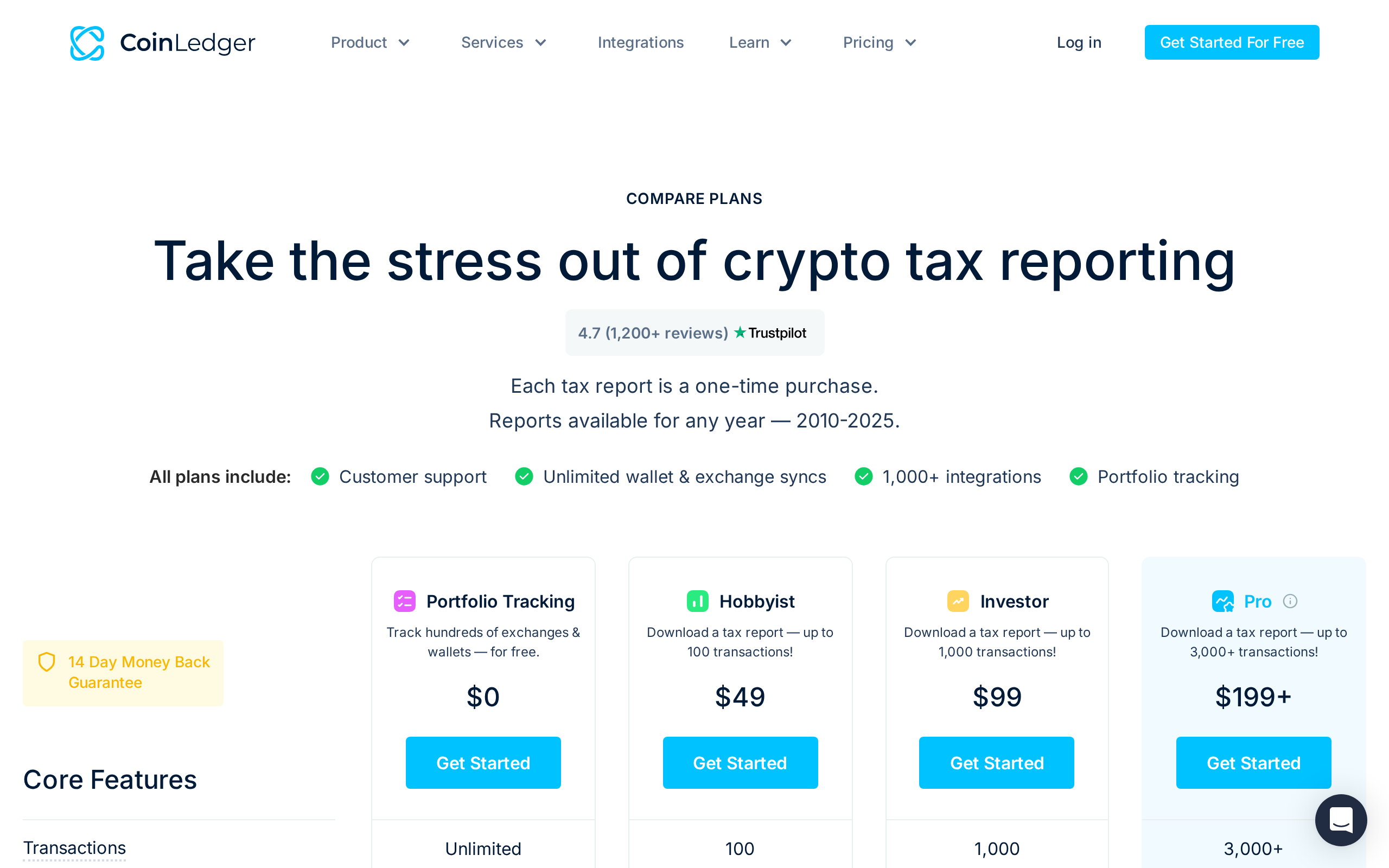
Hobbyist, $49: up to 100 transactions.
Investor, $99: up to 1,000 transactions.
Pro, $199+: 3,000 transactions and up, with more bought as needed.
All paid tiers include unlimited wallet and exchange syncs, live chat, unlimited revisions and a 14-day money-back guarantee. The reports are the IRS Form 8949, a capital gains report, an income report for staking and mining, and an audit trail. The catch for DeFi users is the counter. A liquidity position, a few harvests and a bridge can burn dozens of transactions in a week, so a modest portfolio can land in the $99 or $199 tier without feeling active.
Importing: the easy part and the hard part
CoinLedger lists more than 1,000 integrations and takes API sync, CSV files, custom CSV and wallet addresses.
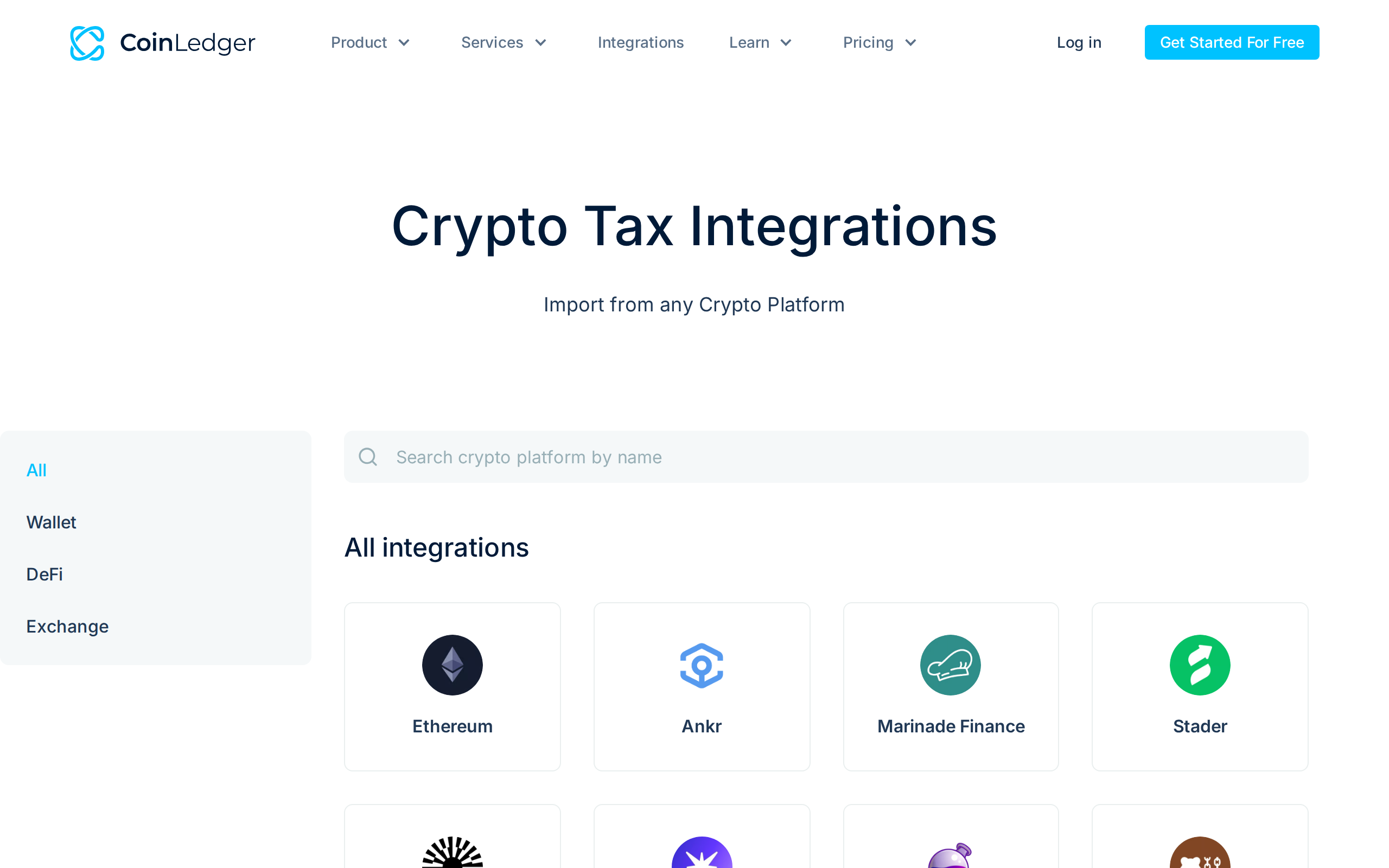
For a US exchange account the import is routine. The hard part is the wallet that interacted with a protocol the tool classifies badly. A swap that CoinLedger reads as a transfer to yourself, or an LP token it cannot price, shows up as a missing cost basis warning. The maker's own page says it flags these before you file and names the offending transactions, which is the right behavior. It does not fill the gap for you: you supply the price, or you mark the event, and the number you choose changes your gain.
What users report
Trustpilot reviews are mostly positive on support, and several describe support agents helping them clear cost basis flags. A smaller group says the paid expert-review service did not fully resolve pricing problems. We read that as a pattern common across the category: the software is only as correct as the history you feed it, and missing source history can still break cost basis.
A cleanup routine that saves the fee
Before you buy a tier, import everything and read the warnings while the report is still a free preview. Sort them by wallet. Flags often cluster around a few addresses, and fixing the source, for instance by adding a missing exchange account, clears many at once. Then check the transactions the tool labelled as income, since a reward treated as a purchase changes both your cost basis and your taxable income. A short pass like this tells you whether the plan you need is $49 or $199.
The company also runs a learning hub that explains Web3 and tax terms in short pieces.

It is useful for the vocabulary, though it does not replace advice for a specific position, and it will not tell you how your own country treats a given transaction.
The report you hand to a preparer
The report side is the strength. Export runs to TurboTax, TaxACT, H&R Block Desktop and TaxSlayer, and the homepage carries an Official TurboTax Partner badge. An accountant who receives the audit trail can see how each gain was built, which matters if a notice ever arrives. The formats lean toward US filing rules, and users elsewhere should check that their country's report is supported before paying.
For comparison, our Koinly review covers a tool with broader international reports, and our CoinTracker review looks at one with a different price ladder.
Who it suits, and who should look elsewhere
Pick CoinLedger if you are a US filer with a few hundred transactions across exchanges and some wallets, you value a predictable fee and you will spend an evening fixing flags. Look elsewhere if you farm yields daily, run many wallets, or need a preparer to own the whole process. In that case a custom or service-based option may cost less than your time. Nothing here is tax advice; confirm the treatment of each transaction type with a qualified professional.
Specifications
- Price
- Free preview; $49, $99 or $199+ per tax year
- Hobbyist plan
- $49, up to 100 transactions
- Investor plan
- $99, up to 1,000 transactions
- Pro plan
- $199+, 3,000+ transactions
- Integrations
- 1,000+ exchanges, wallets and chains
- Coins supported
- 20,000+
- Import methods
- API sync, CSV, custom CSV, wallet address
- Tax software export
- TurboTax, TaxACT, H&R Block Desktop, TaxSlayer
- Refund window
- 14 days on paid plans