BowFlex VeloCore 22 Review: Does the Lean Mode Earn $2,199?
By The Ironnook Test Desk ·
7.4
bowflex.com
The verdict
Lean mode is real: it recruits your obliques and makes rides more engaging, and the bike underneath is quiet, stable and holds 325 lb. But the lean is a nice extra, not a second workout, JRNY adds $149 a year, and the two year frame warranty is short. Buy it near $1,000. At $2,199 it is overpriced.
Best for: Riders who want a connected bike that is a bit more fun, at a sale price
What we liked
Lean mode adds side-to-side core work that testers could feel in the obliques
Magnetic resistance is silent, with 100 levels and a 33 lb flywheel
325 lb user limit is higher than the Peloton bike's published 297 lb
Includes SPD and cage pedals, heart rate armband, speakers and 3 lb dumbbells
Lock the frame and it rides like a normal, stable indoor bike
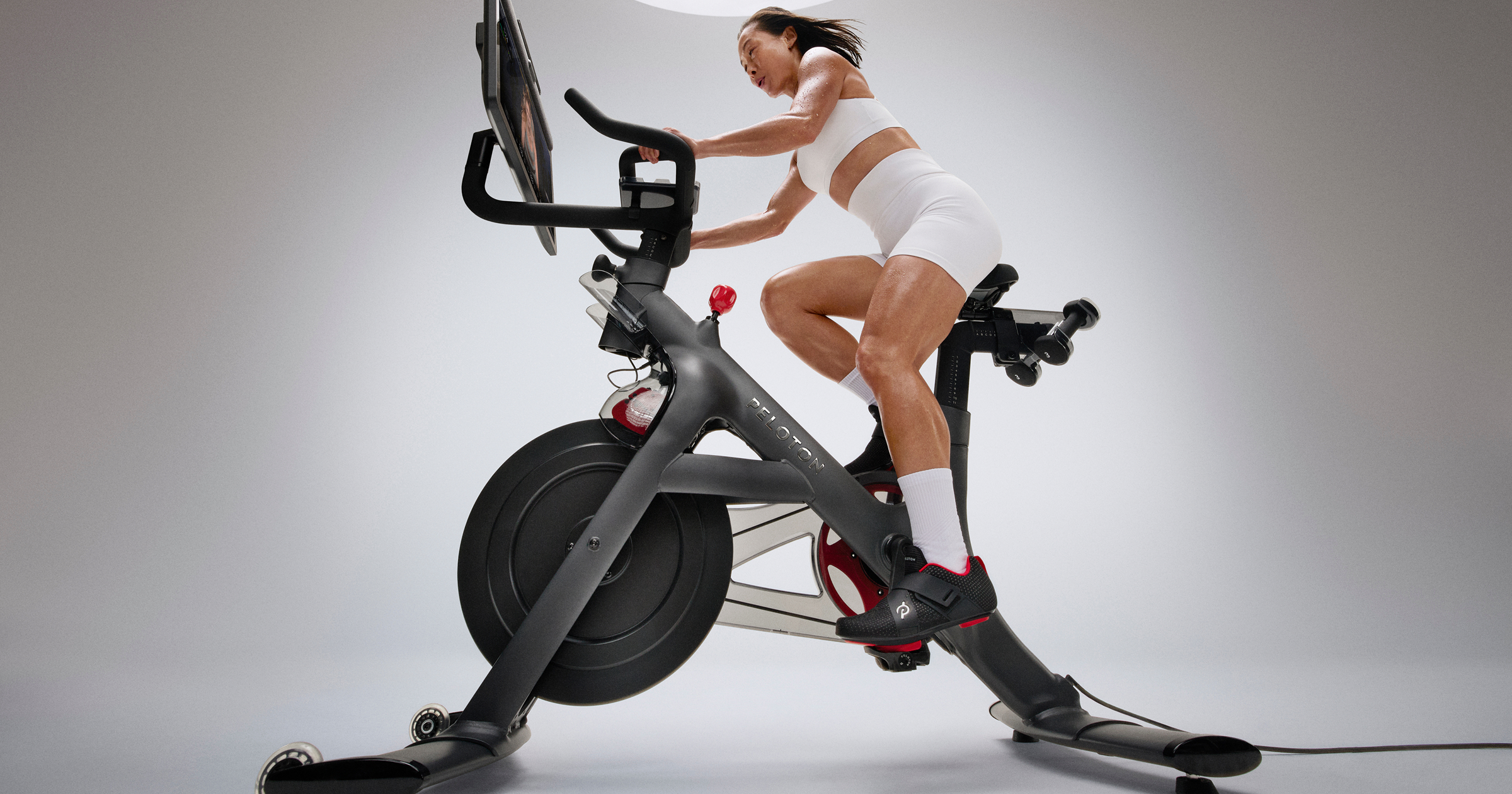
The Bike+ is the best-riding connected bike we know of, and its swivel screen, auto-resistance and rep-counting camera do make off-bike strength classes easier to follow. It is also $1,000 more than the Bike, needs a $49.99 monthly membership, and reviewers report screen wobble and early creaks at this price. Buy it if you will use rides, strength and mobility every week. A cyclist who only rides should buy the Bike.
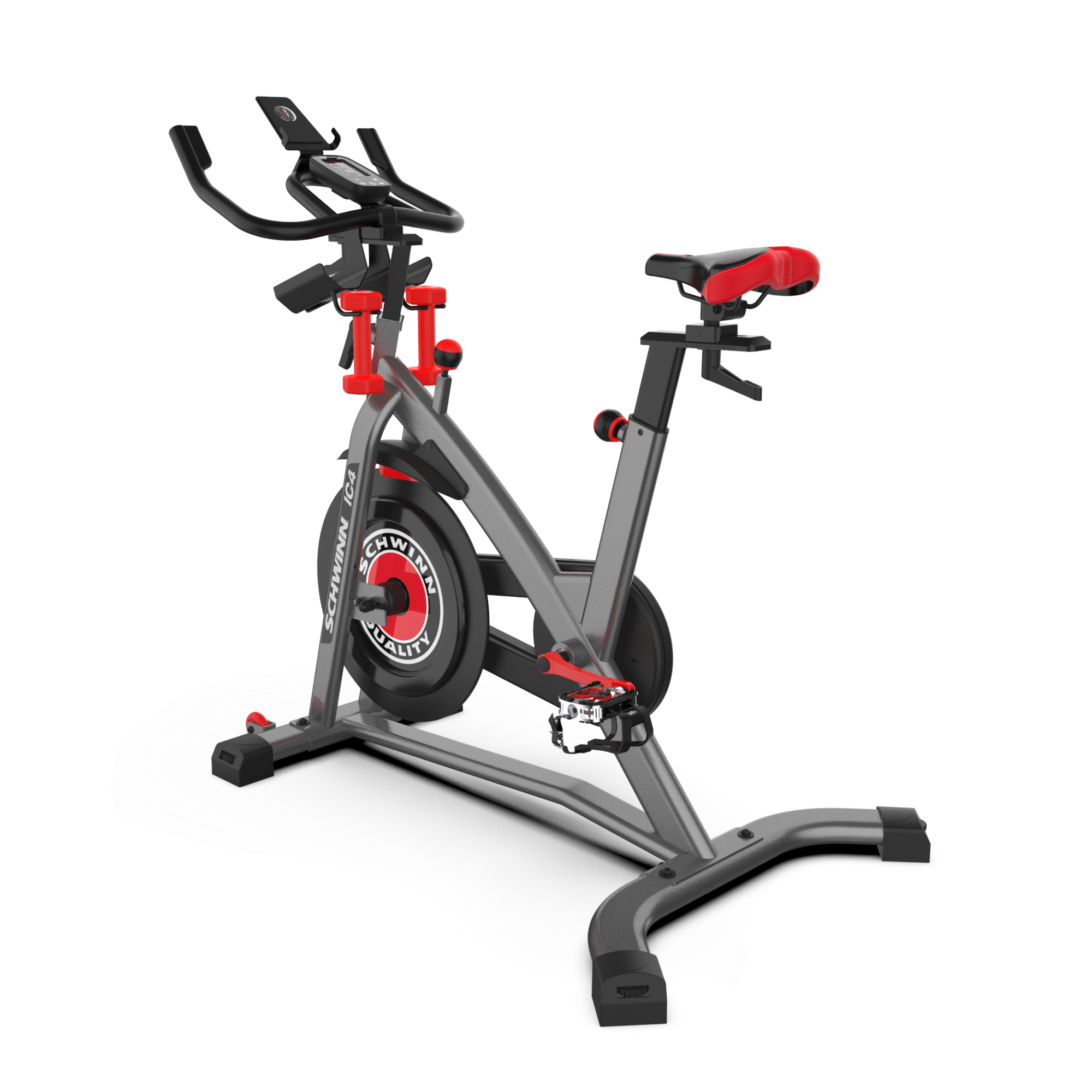
The IC4 is the best-value spin-style bike for someone who already owns a tablet and wants to pick their own apps. It rides smoothly, fits a wide range of riders and costs no subscription to use. The cost is manual resistance, so apps cannot change the load for you. If you want that, spend more or look elsewhere.
8.1$899
Exercise Bikes
$2,199 list is steep; the deal price near $999 is the only easy recommendation
JRNY costs $19.99 a month or $149 a year, and the free tier offers few classes
Frame warranty is two years and electronics only one year
Handlebars do not slide forward or back, and the seat divides testers
158 lb weight and about 60 inches of width while leaning
The VeloCore 22 tips side to side like a road bike, which adds real core work. But JRNY costs $149 a year, the warranty is short, and the list price only makes sense on sale.
Most exercise bikes ask you to sit still and pedal. The VeloCore asks you to sit still, or to throw the bike sideways under you. That second option is the entire pitch, and it is why a 22 inch screen model carries a $2,199 list price. We spent our time on one question: does the lean earn that money? The short answer is "sometimes, and mostly when the price drops". The longer answer needs a look at the frame, the screen and the subscription behind it.
A word on price first, because it changes every verdict below. BowFlex lists the 22 inch model at $2,199, yet its own page showed $999 on the day we checked, and a deal site tracked the same number. A bike that swings between those two prices deserves a rating that assumes you wait for the low one.
What leaning actually does
Release the lock and the frame pivots on its base, so the bike tips left and right as you push into the bars. Lock it and you have a normal indoor bike. BowFlex does not publish a tilt angle, so we cannot give you one from the spec sheet.
The effect is easy to describe. Your hips and obliques start working to keep you balanced, the way they do on a road bike when you stand up on a climb. Reviewers at Garage Gym Reviews said it felt unsteady at first and then settled into something that "made the ride feel a lot more like a game". We agree with the framing. It adds engagement and a little core work, not a second workout.
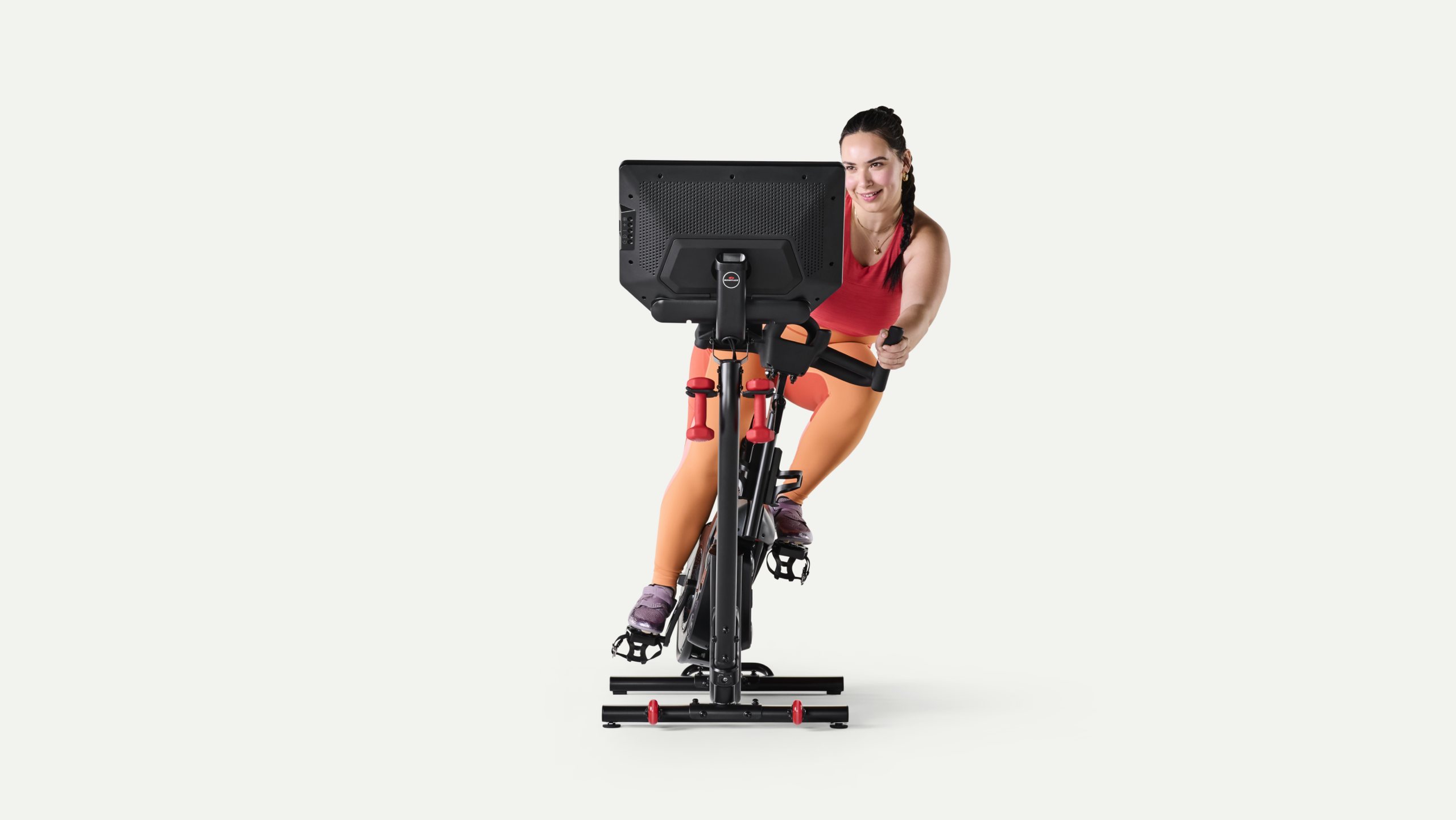
The lean mode in action: the whole frame tips toward the rider's push on the handlebars.
The honest limit is that a bike still holds your seat in place. Real core training means planks and carries. If you already do those, lean mode is a pleasant extra. If you hoped it would replace them, it will not.
The part that stays level
Underneath the party trick is a conventional magnetic bike. It has 100 resistance levels, a 33 lb flywheel and a 325 lb user limit, which beats the Peloton's published 297 lb. Magnetic resistance means no friction pad and almost no sound, and testers report almost no frame wobble even when standing.
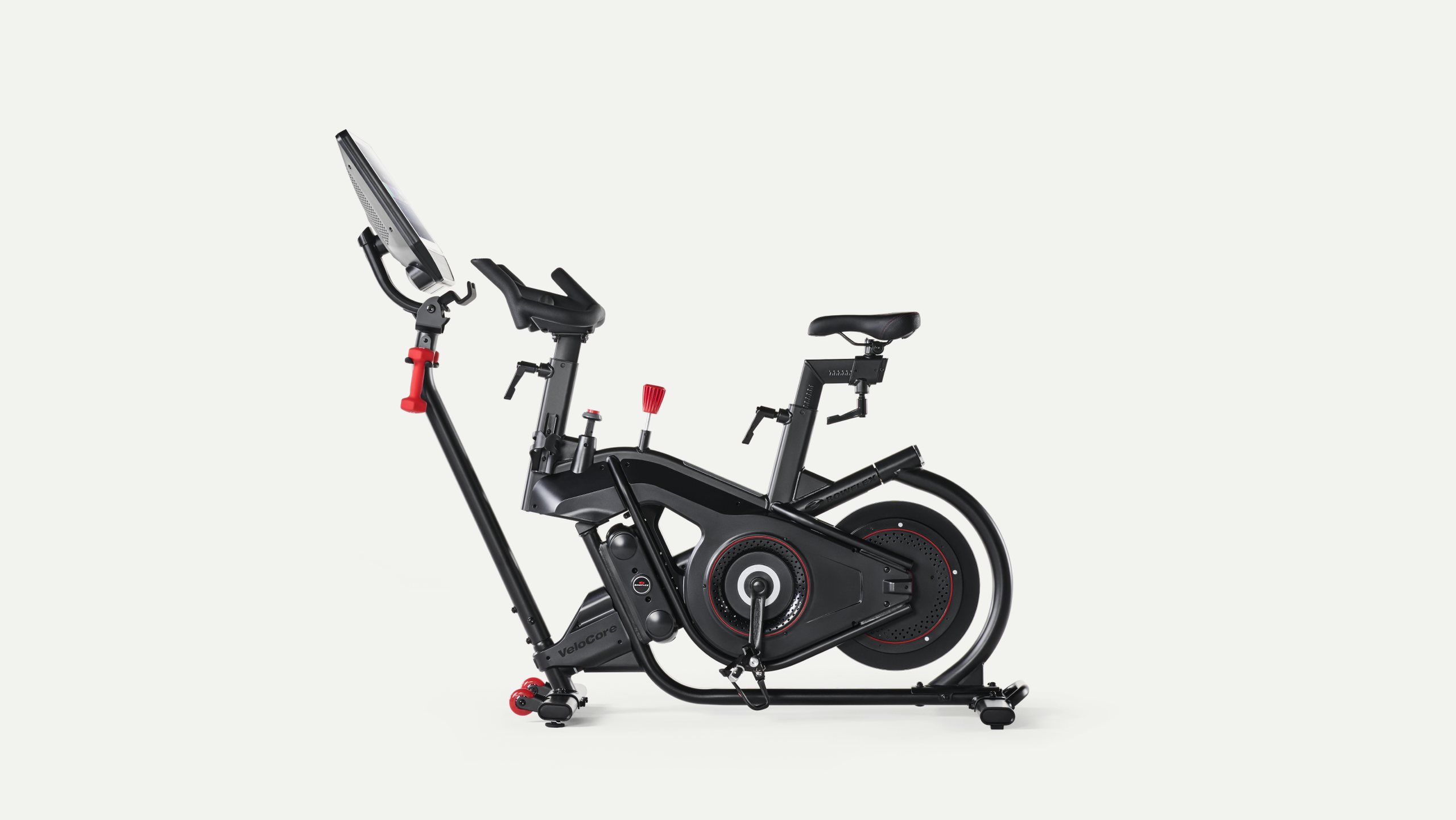
Side view from BowFlex: a compact 59.8 by 24.1 inch frame with the screen arm angled toward the rider.
The footprint is 59.8 inches long and 24.1 inches wide, and the bike weighs 158.3 lb with the 22 inch monitor on. Plan on two people to move it. In use, leaning needs about 60 inches of width, so leave clearance on both sides.
Fit is less generous. The handlebars adjust in height but not forward and back, and testers split on the seat: one called it rock hard, another liked it. Pedals take either SPD cleats or toe cages, and both come in the box, which saves you a $40 trip.
The screen and the JRNY bill
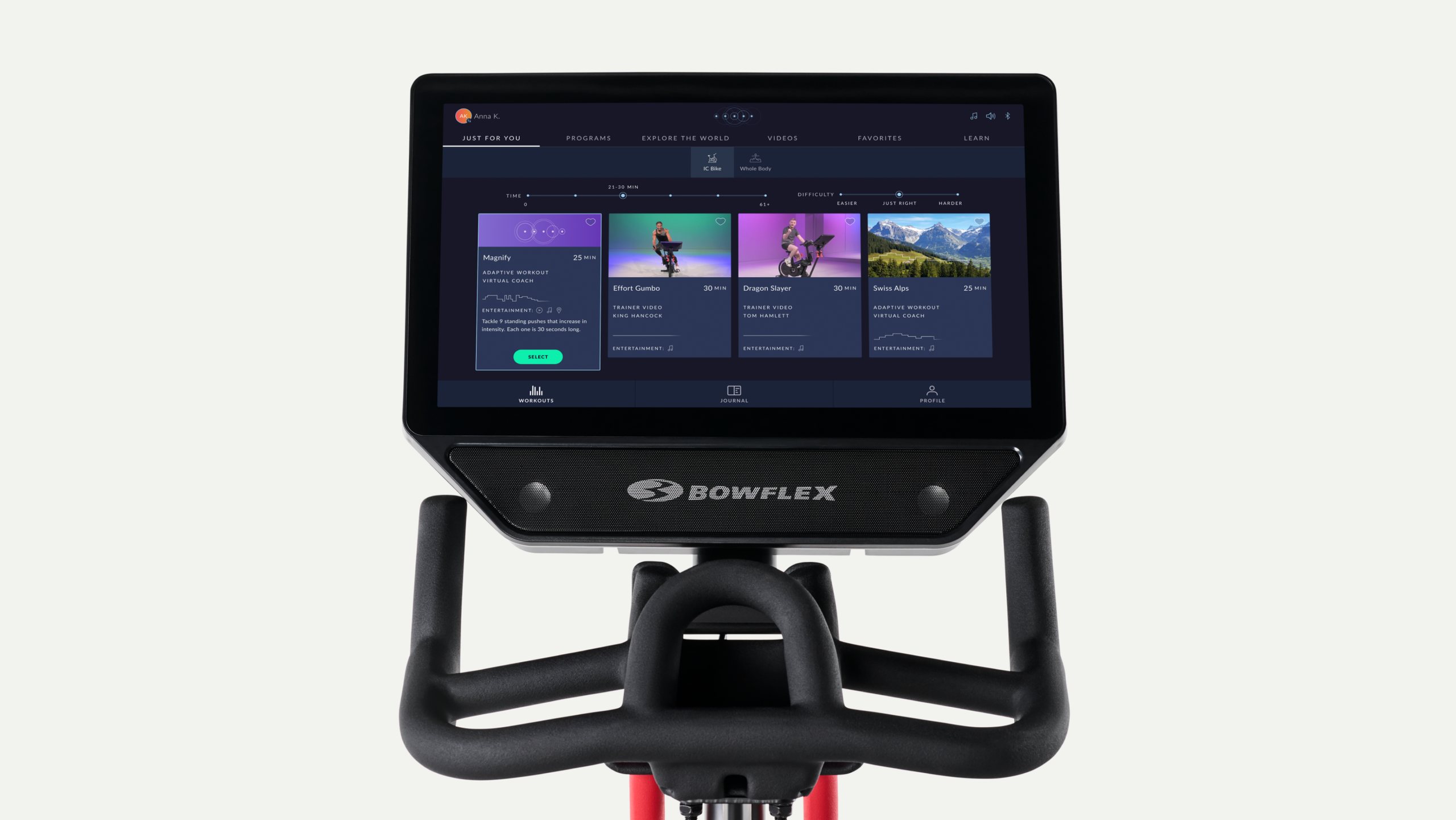
The 22 inch touchscreen is sharp and bright, and it runs BowFlex's JRNY platform. JRNY costs $19.99 a month or $149 a year after a two month trial. Without it, testers found only around four classes to play, plus manual riding.
The 22 inch HD touchscreen with JRNY class tiles, above a set of rubber-gripped handlebars.
That makes JRNY a real part of the price. Over three years the annual plan adds $447. You can ignore the screen and ride to a phone or tablet app over Bluetooth, but then you paid for a monitor you do not use. The bike also ships with a heart rate armband, speakers and a pair of 3 lb dumbbells for upper-body segments.
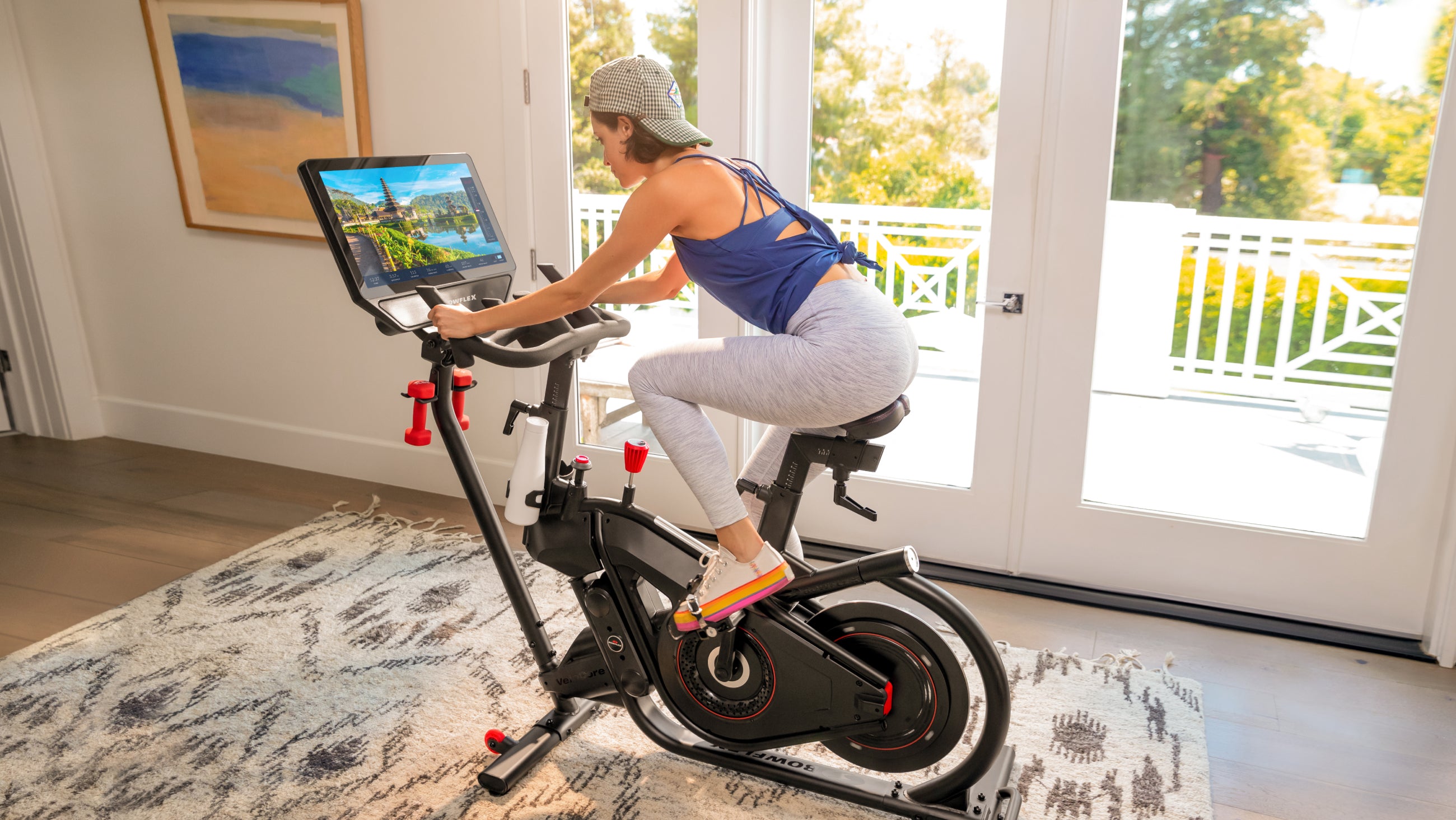
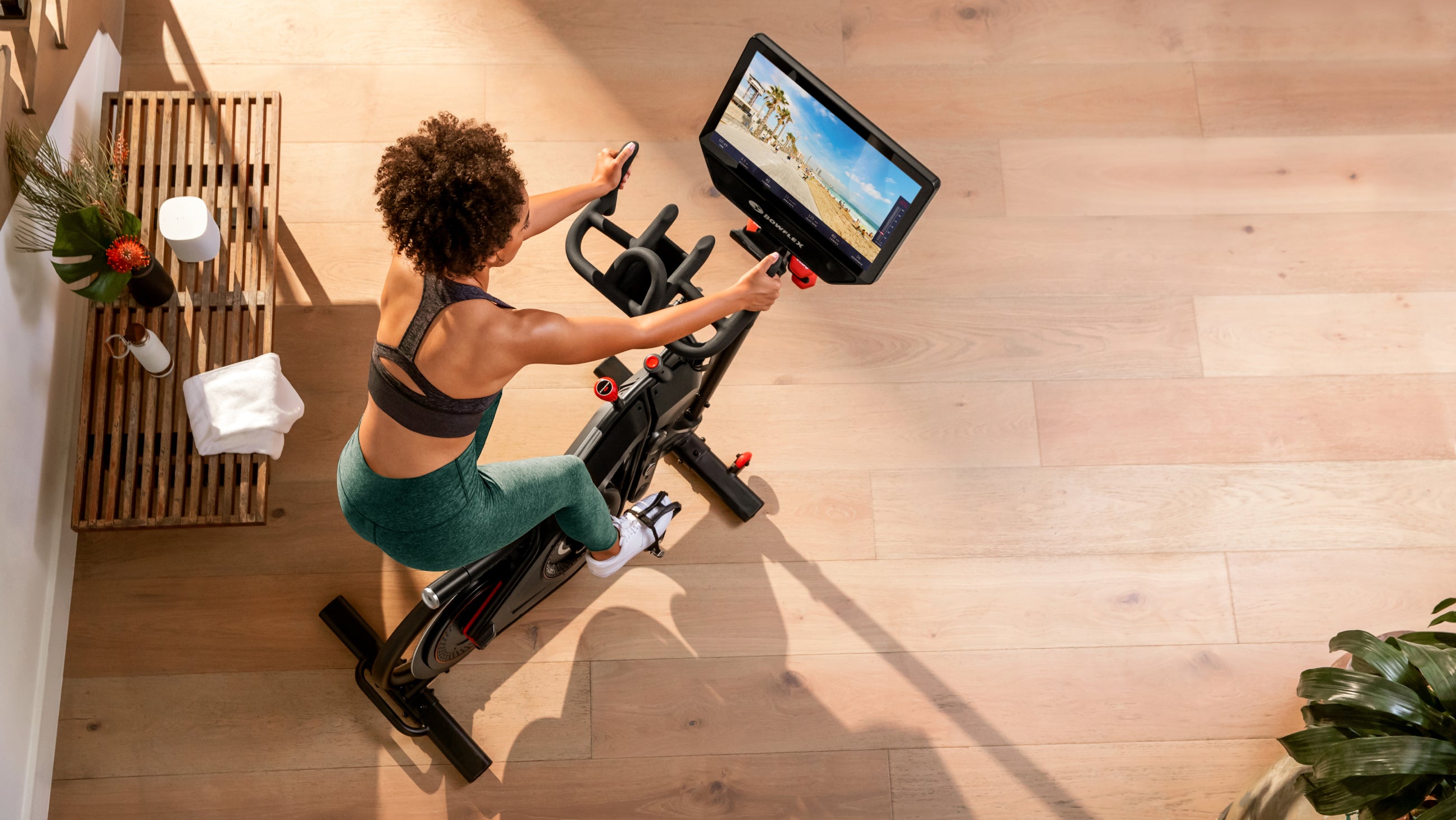
An overhead shot from BowFlex's product page showing the VeloCore on a living room floor.
Price, warranty and what we would buy
The list price is $2,199, but BowFlex's page showed a sale price of $999 when we checked, and the bike has been discounted heavily. At $999 the VeloCore is a good deal. At $2,199 it is not, because a Schwinn IC4 costs far less and rides well if you bring your own screen. You just give up the lean.
The warranty is the weak spot. The frame and mechanical parts are covered for two years, electronics and the touchscreen for one year, and labor for one year. Testers also report roughly three hours of assembly with muddled instructions, and return shipping falls on you.
Buy it if you find it at or near $1,000, want a connected bike that is a little more fun than usual, and will ride the lean mode on purpose. Skip it at full price, or if you plan to run an outside app and never touch JRNY.
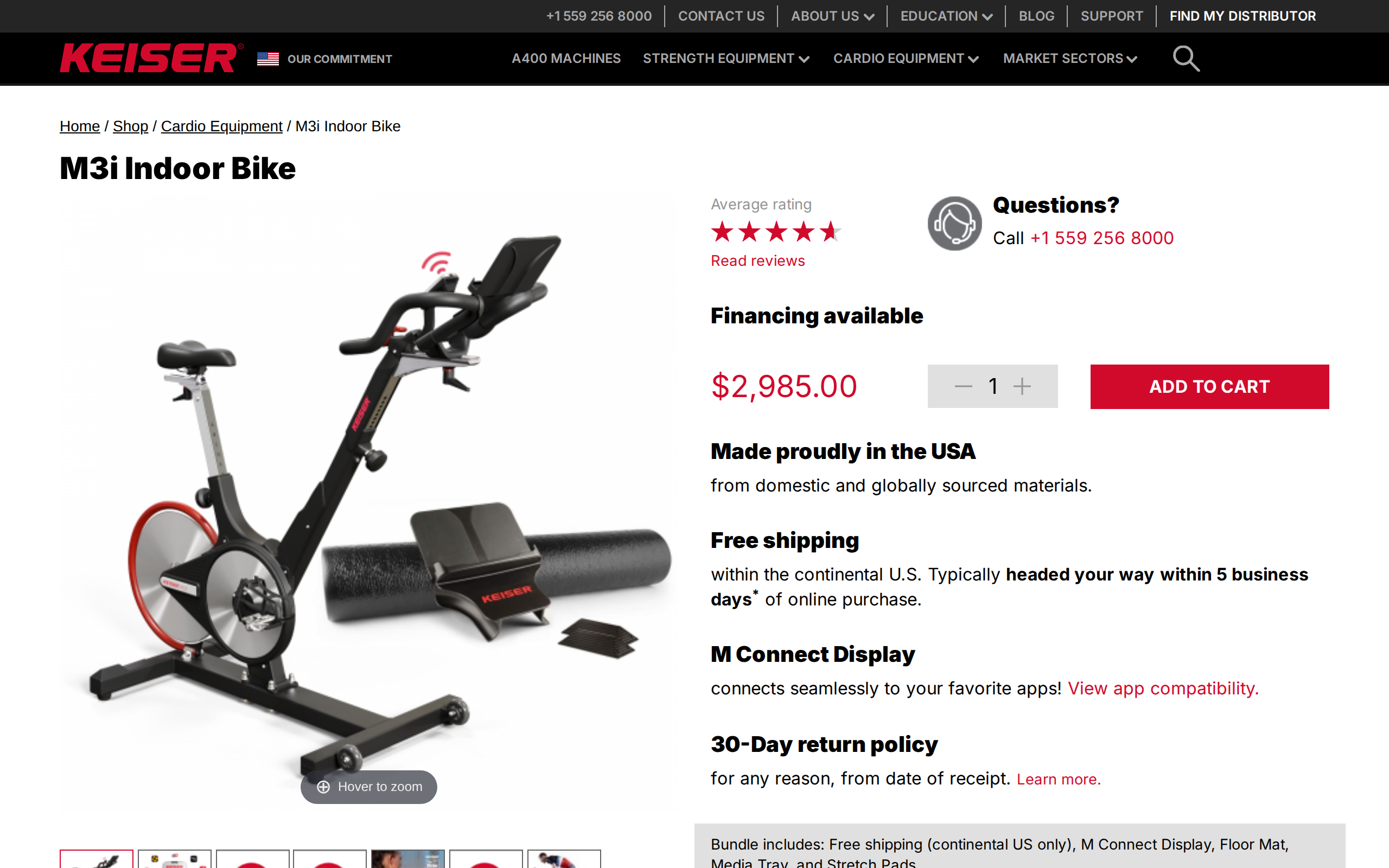
The M3i is the bike for riders who already own a tablet and a favourite app and want the sturdiest, quietest, lowest-maintenance machine to pair with it. Power readings are consistent and the build is commercial. But resistance is manual, there is no screen or content, and $2,985 is a lot to pay for what a $1,000 smart bike partly does for you.