The short version
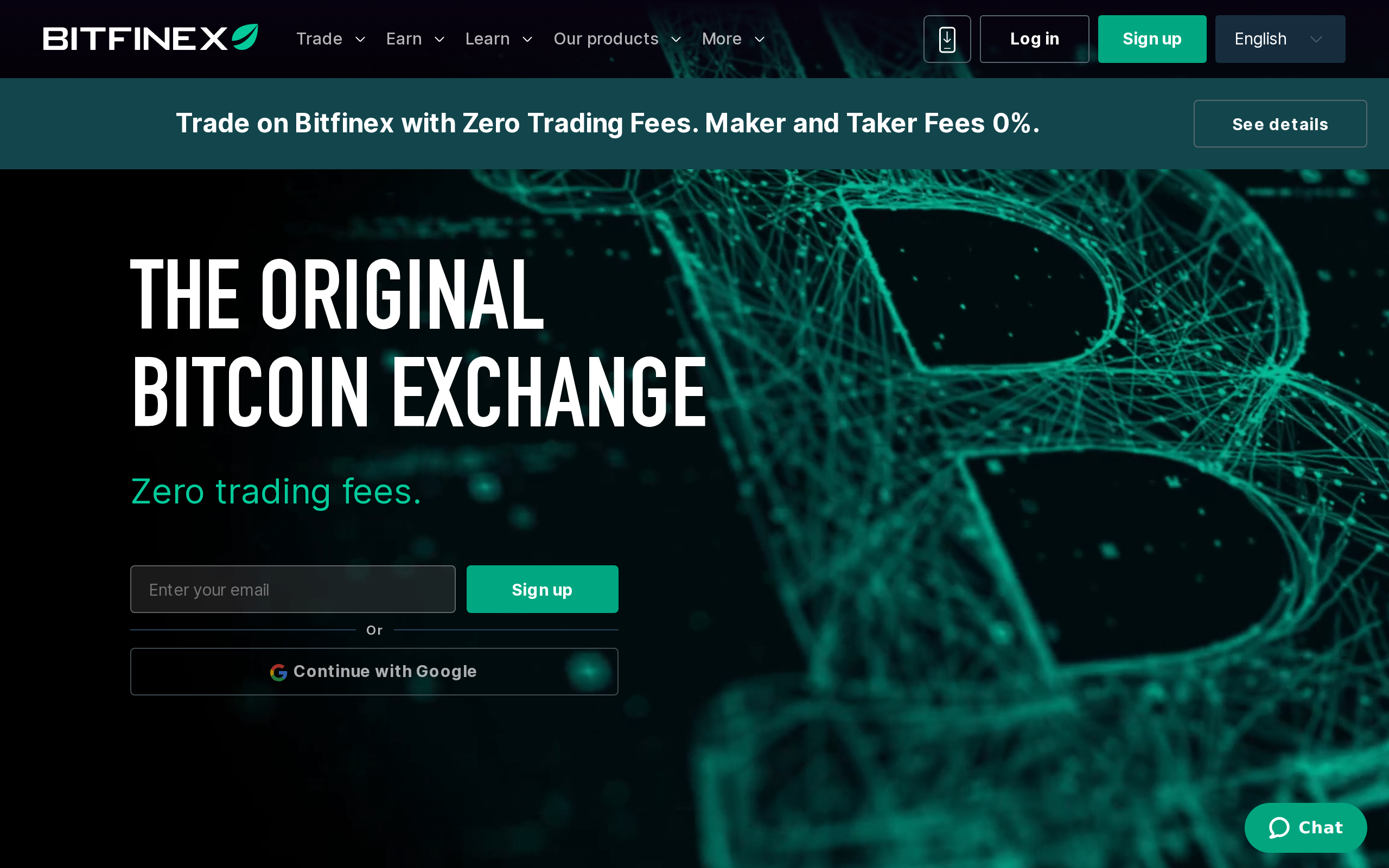
Bitfinex is a cheap, deep venue for active traders: trading is free on spot, margin and derivatives, and its peer-to-peer funding market lets lenders earn interest from margin traders. The history is the catch, a 2016 hack, a $850M payment-processor hole papered over with the LEO token, and an owner tied to Tether. It suits experienced traders outside the US. Beginners and anyone wanting strong consumer protection should look elsewhere.
Best for: Active traders outside the US who value zero trading fees
Our score: 7.0 out of 10
Pros and cons
What works
- Zero maker and taker fees on spot, margin, derivatives and OTC trades
- Peer-to-peer margin funding lets lenders earn interest on idle coins
- Crypto deposits are free, and some USDt networks withdraw free
- No volume tiers or token holdings needed to get the zero-fee rate
- Long-running exchange with deep order books on major pairs
What does not
- The 2016 hack of 119,756 BTC and the 36% account haircut still count
- Owner iFinex also controls Tether, and LEO was issued to fill a $850M gap
- US persons cannot open accounts; Ontario and UK individuals are limited
- Bank wires cost 0.1% with a €60 deposit minimum; express wires cost 1%
- Derivatives and margin carry liquidation risk that can exceed deposits
Free trading is easy to like and easy to over-trust. When an exchange charges nothing per trade, the money comes from somewhere else: lending interest, withdrawals, spreads on its own products or the token it issues. So the useful question on Bitfinex is who runs it, not only what it charges.
We read the live fee schedule, the lending and deposit pages and the public record on the exchange's history. We did not run a funded account for this review, so withdrawal times below come from the exchange and from outside write-ups, not from our own stopwatch.
What zero actually covers
The fee schedule lists zero maker and zero taker fees for spot and margin trades, for derivatives, and for OTC. Coverage of the announcement says there are no volume tiers, token holdings or account levels to qualify, and that the change is permanent. That makes Bitfinex one of very few large venues with a flat zero rate.
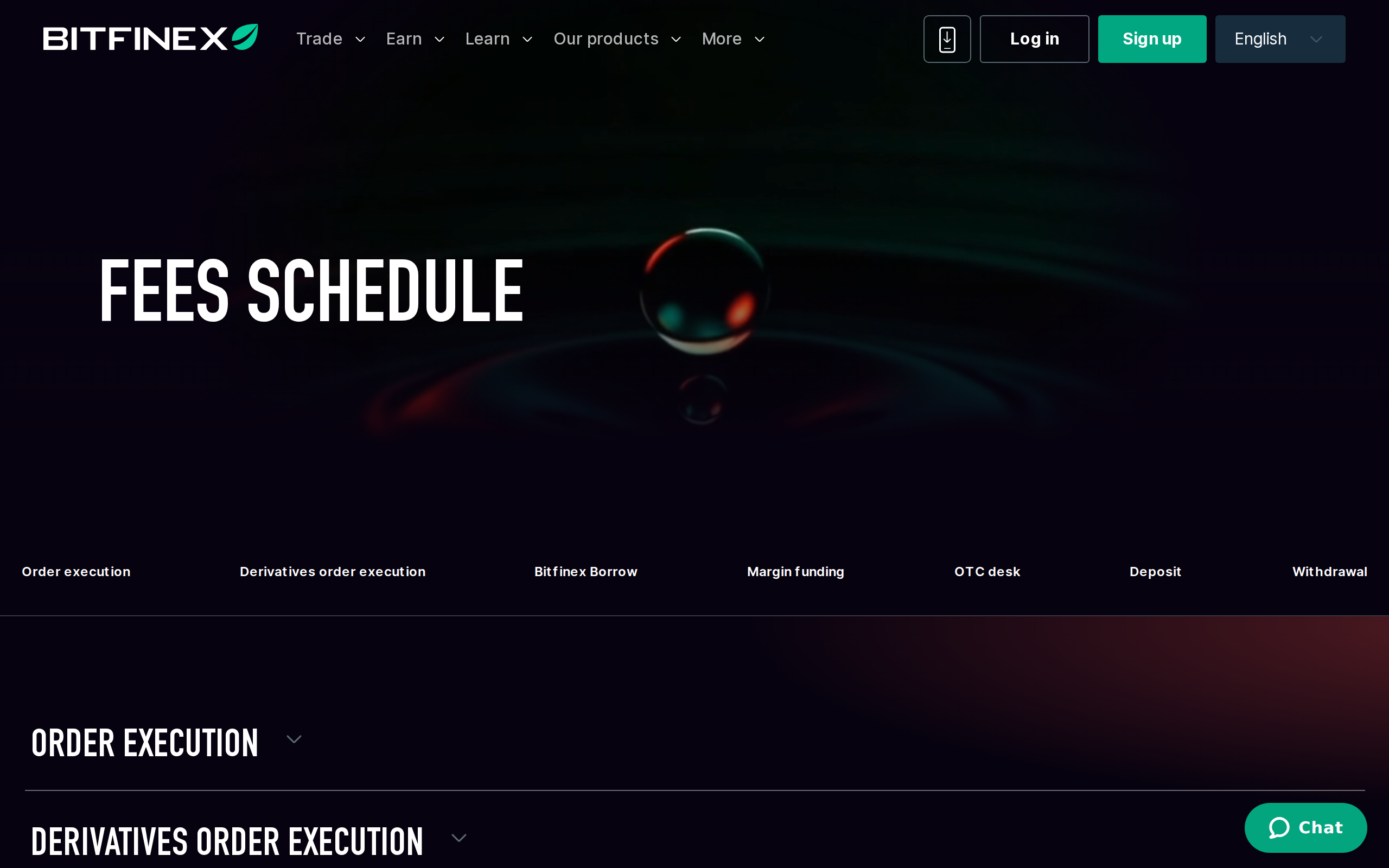
The money still moves through other doors. Lenders in the funding market pay Bitfinex 15% of the interest they earn, or 18% if they place a hidden offer, with up to 5% off for holding LEO. Bank wire deposits cost 0.100% with a minimum of 60, and withdrawals cost 0.100% with a minimum of 100, or 1.000% for the express route. Moving bitcoin out costs 0.00006 BTC and Ether 0.001 ETH, while some USDt networks list no fee at all.
The lending market is the real product
Bitfinex runs a peer-to-peer marketplace where you set the rate, term and amount you will lend, and margin traders borrow from those offers. Its own page calls it a true P2P lending marketplace.
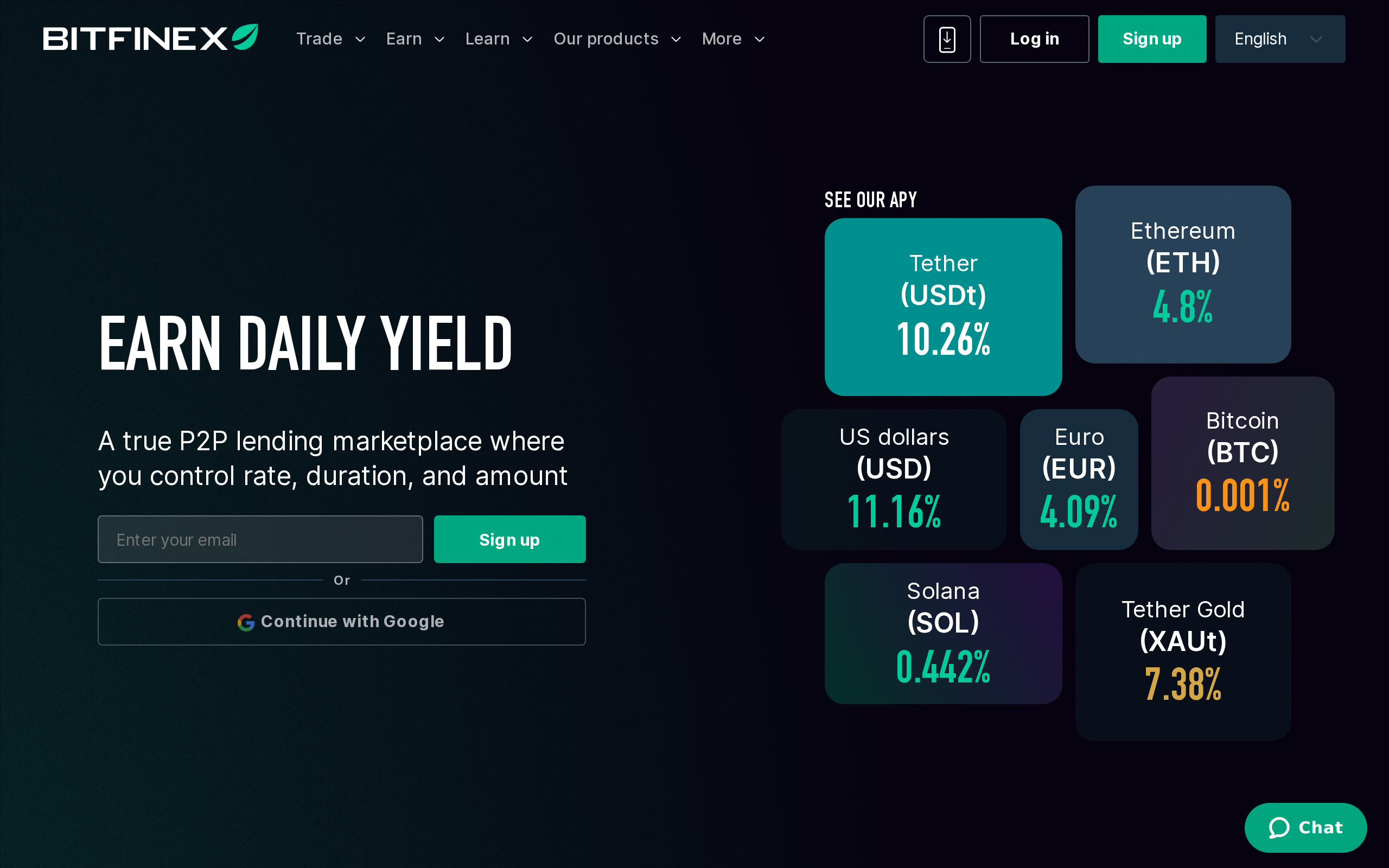
This is where a lender's thinking should be cautious. Interest is not guaranteed, and a lender is exposed to the exchange itself: if the platform failed, loans would not save you. Borrowers face a different risk, because positions can be liquidated, and Bitfinex's terms say that if it takes over a loan rather than liquidating it, it charges 5% of the loss avoided.
Deposits and access
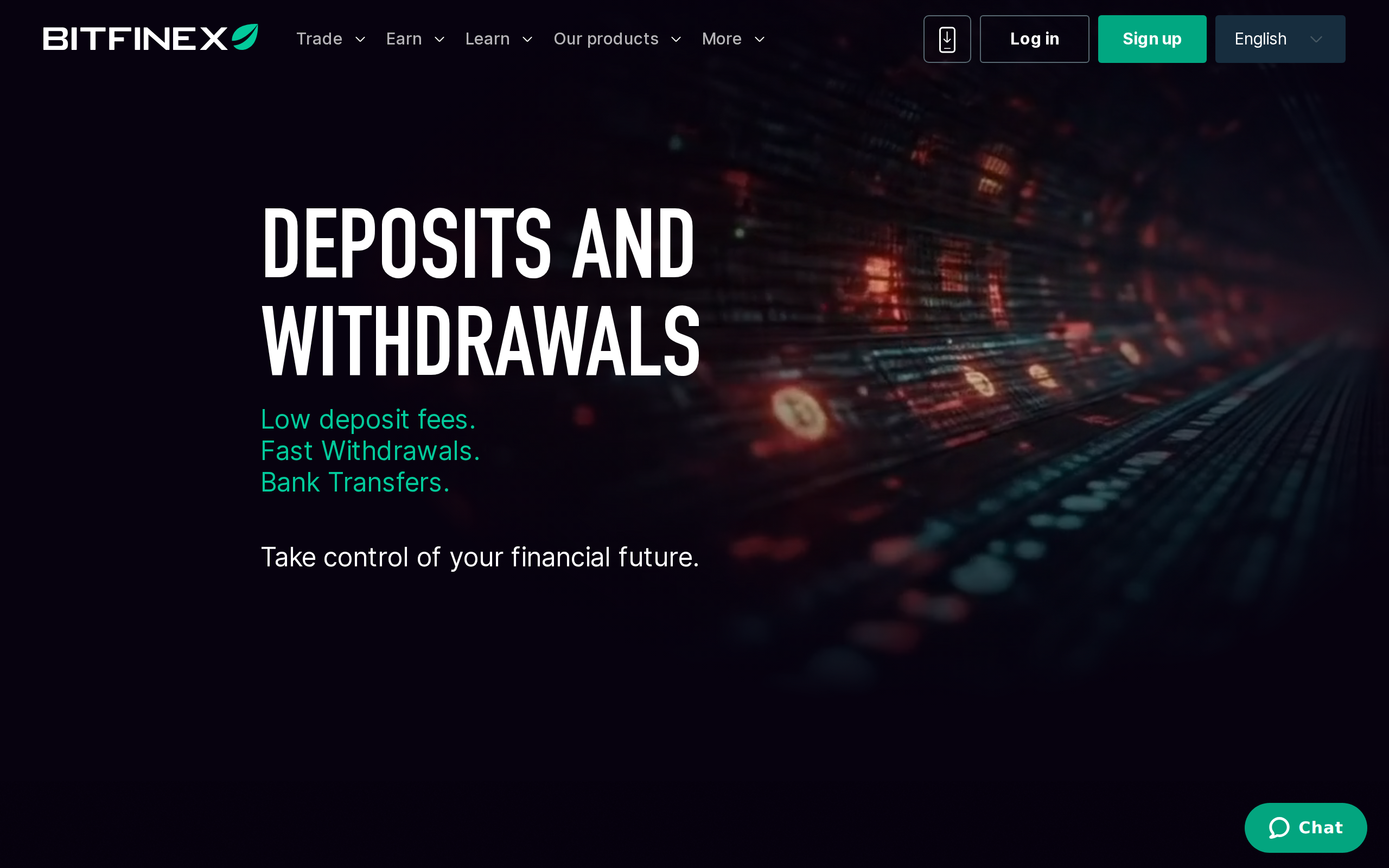
Crypto and stablecoin deposits are free, and the deposits page promises low fees, fast withdrawals and bank transfers.
Verification is tiered. A Basic account can only look, Basic Plus unlocks crypto deposits and withdrawals, Intermediate is needed for margin and funding, and Full opens international bank wires. Anyone treated as a US person cannot open or fund an account, and individuals in Ontario and the UK are restricted too. If you are in one of those places, the rest of this review does not apply to you.
Why the history still matters
In August 2016, attackers stole 119,756 BTC. Bitfinex spread the loss across all customers as a 36% haircut and issued BFX tokens, all of which it redeemed within eight months. That was an unusual way to make users whole, and it worked, but it also meant every account was marked down at once.
In 2019 the exchange sold its LEO token for about $1 billion after the payment processor Crypto Capital lost access to roughly $850 million of exchange and client funds. LEO is supposed to be bought back and burned from revenue. Its price and the exchange's fortunes are therefore linked.
There is a recovery story as well. In January 2025, a US court ordered the return of 94,643 BTC from the hack, and Bitfinex said it would sell 80% of the net recovered funds to buy back and burn LEO over 18 months. The money came back, and customers were already paid. The pattern remains: this exchange has shown that it can fail and that it can recover.
Bitfinex's parent iFinex also controls Tether, so the exchange and the biggest stablecoin share an owner. Proof-of-reserves work with its Antani library has been announced as an ongoing commitment, which we count as a positive but not as a guarantee.
Who should use it
Use Bitfinex if you trade actively, you live outside the restricted regions, you understand margin and you value free executions enough to accept a controversial record. Skip it if you want regulated consumer protection, if you are new to leverage, or if you are in the US. Nothing here is a recommendation to trade, lend or hold any asset.
Specifications
- Trading fees
- Zero maker and zero taker on spot, margin, derivatives, OTC
- Lender fee on funding
- 15% of interest earned (18% for hidden offers)
- LEO discount
- Up to 5% off lender fees
- Crypto deposits
- Free
- Bitcoin withdrawal fee
- 0.00006 BTC
- Bank wire deposit
- 0.100%, minimum 60 USD or EUR
- Bank wire withdrawal
- 0.100% (minimum 100); express 1.000% (minimum 125)
- Verification tiers
- Basic, Basic Plus, Intermediate, Full
- Parent company
- iFinex, also the issuer of Tether