
WHOOP 5.0 Review: A Screenless Coach You Rent for $199 a Year
WHOOP 5.0 has no screen and no GPS, and the band only works while you pay. We weigh the recovery coaching against what a smartwatch does for the same money.
Best for: Regular trainers who want a daily recovery score without a watch screen
The best screenless recovery coach for people who train most days and want one clear answer each morning. The app explains why your score moved, and the battery lasts about two weeks. But you rent the band, it stops working if you cancel, it has no GPS, and wrist heart rate drifts in intense mixed workouts. Buy it if you train hard and like numbers. Skip it if you want a screen, GPS or no subscription, and look at an Apple Watch or an Oura Ring instead.
From $199/yr membershipfrom WHOOPwhoop.com
A screenless band has one job: tell you each morning whether to train hard or take it easy. WHOOP 5.0 does that job well. The catch is that you never own the band. You rent it, and the rent is $199 a year at minimum.
The band is free, the membership is the product
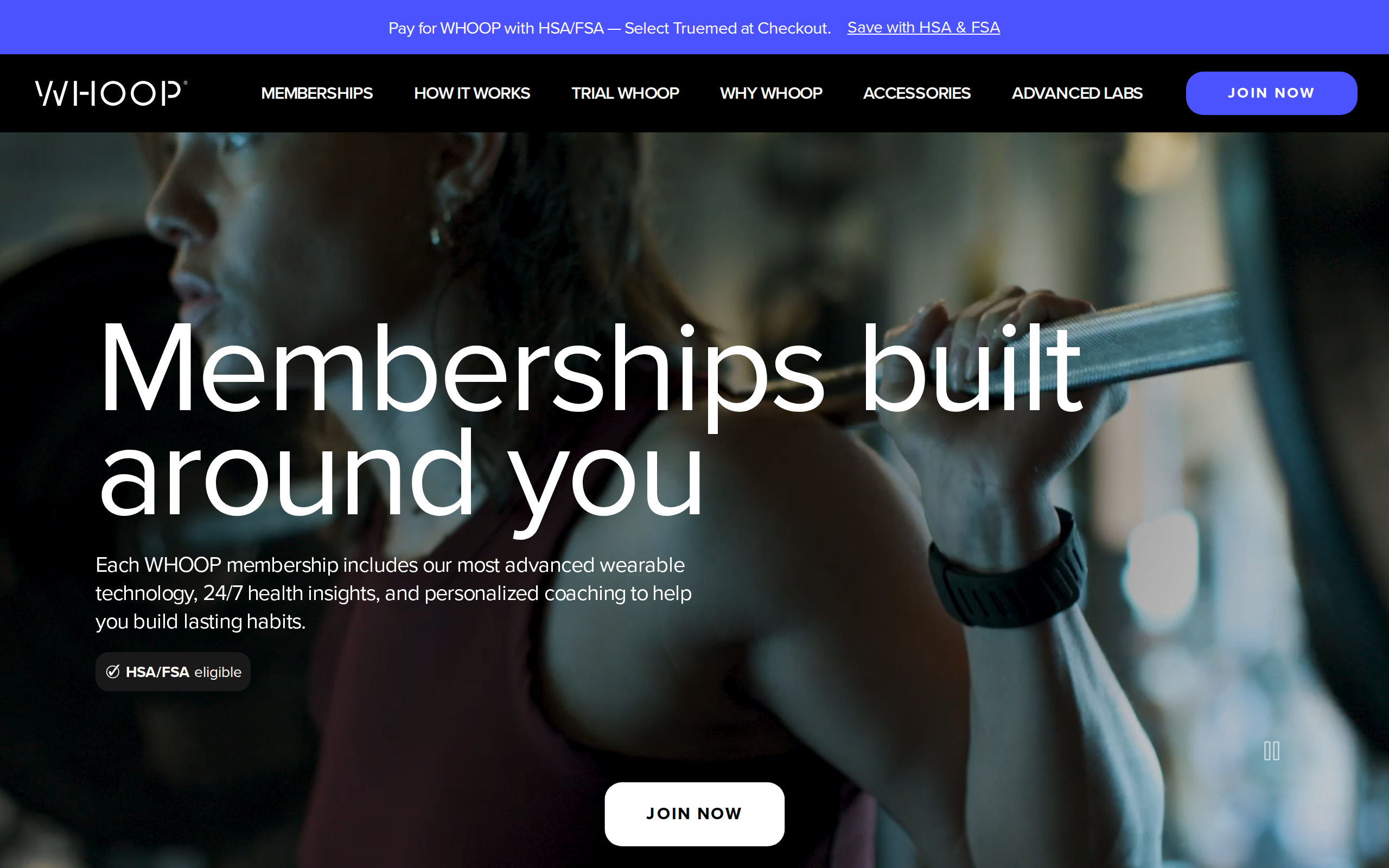
WHOOP does not sell the 5.0 as a gadget. You join, and the hardware ships with the plan. Per WHOOP's membership page and the pricing breakdown at TrackerVs, there are three tiers:
One, $199 a year: the WHOOP 5.0 with a wired charger, sleep, strain and recovery scores, heart rate zones, VO2 max, steps and a haptic alarm.
Peak, $239 a year: adds the wireless PowerPack charger, an upgraded SuperKnit band, a stress monitor and the healthspan readout.
Life, $359 a year: swaps in the WHOOP MG hardware with ECG, irregular rhythm alerts and blood pressure insights.
New members must start on an annual plan. Monthly billing at $25, $30 or $40 is only for existing members. WHOOP also runs a 30-day trial that ships a certified pre-owned band, and the card on file is charged around $199 if you do not send it back.
Stop paying and the band stops working. WHOOP has no offline mode, and old data stays viewable for roughly 30 days before it locks. Compare that with a smartwatch, which keeps telling the time and counting steps forever.
What the numbers are good for
The pitch is simple. Sleep, resting heart rate and heart rate variability feed a recovery score each morning. Your daily strain, a 0 to 21 effort scale, tells you how much of that recovery you spent. Over a few weeks you learn which habits move the score, and that is where the band earns its fee.
The band is the thing you forget you are wearing, and that is the design goal. Battery is rated at 14 days or more, and charging on the wrist with the PowerPack means no gaps in sleep data. The 5.0 has no screen and no GPS, so a run needs your phone or a separate watch if you want pace and a map.
Where accuracy holds up and where it slips
Independent testing at the5krunner found the heart rate correlation reached 0.98 across 19 endurance workouts when the band was worn on the upper arm. On the wrist during HYROX and CrossFit, readings drifted well away from a reference strap. Strength training is the weak spot: strain from lifting leans on you logging the session in the app.
Sleep stages are the usual wearable story. Nobody gets them exactly right from the wrist, and the same tester saw Oura beat WHOOP on REM and a dedicated sleep device beat both on deep sleep. The overall sleep duration and the night-to-night trend are what you can trust.
Band, app and what we would pick instead
There is a practical angle too. Because the band has no screen, you check everything on the phone, which means a morning ritual of opening the app before anything else. Some people like that. Others find it is the same phone habit they were trying to break by wearing something quieter on the wrist.
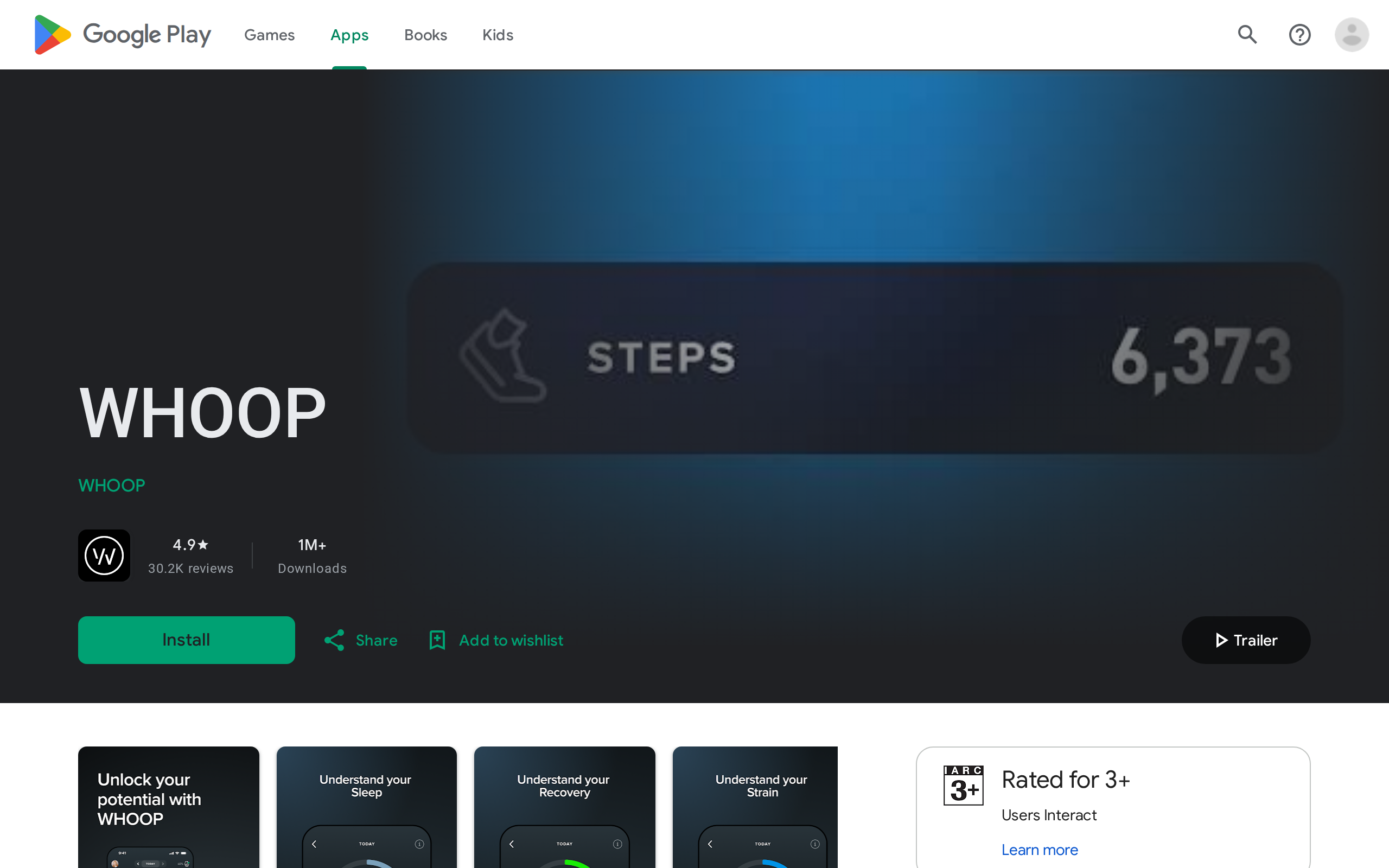
The app is the strongest part. It is clean, it explains why a score moved, and the coaching prompts are specific to your last few days. A smartwatch cannot match that kind of recovery framing, even if its sensors are as good. Apple Watch gives you a screen, GPS, notifications and payments without a membership.
Who is it for? The person who trains five or more days a week, can read a number without a screen nagging them, and wants one clear answer on how hard to go. Who should skip it? Anyone who dislikes subscriptions, wants GPS, or mainly wants steps and notifications. A watch is the better buy for them, and so is an Oura Ring for people who mostly care about sleep.
For ECG and blood pressure, Life at $359 asks a lot of money for features that are not yet cleared by the FDA, according to the pricing breakdown above. We would take Peak over Life, and One over both unless you want wireless charging.
Verdict
WHOOP 5.0 is the best screenless recovery coach we can point you to, and a poor choice if you hate renting hardware. It is excellent at one question and silent on everything else.