We traded spot markets on OKX, connected its Web3 wallet across chains, and checked the 2025 guilty plea that cost the exchange half a billion dollars, to see if the all-in-one pitch holds up next to Binance.
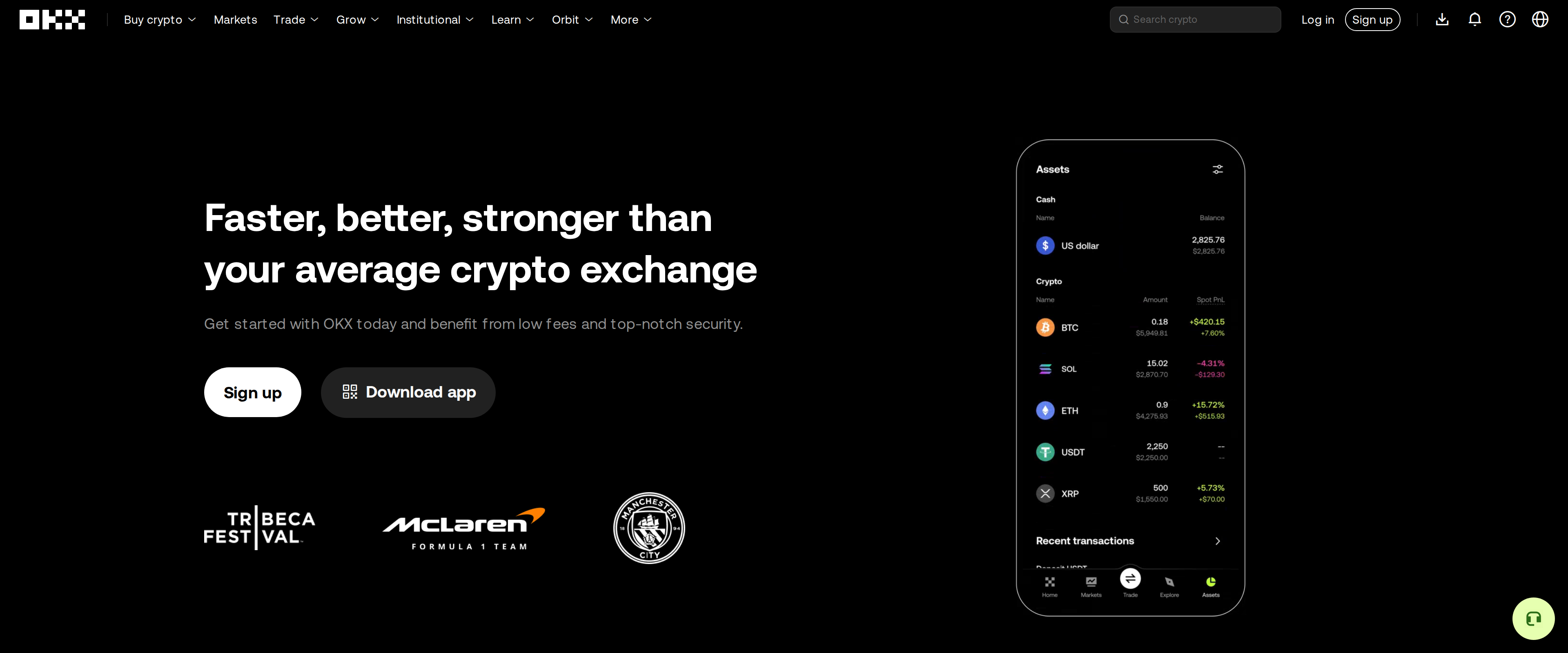
The pitch behind OKX has always been "the exchange for people who outgrew a single exchange": spot, derivatives, a self-custody Web3 wallet and an NFT marketplace under one login. We tested the first two seriously and poked at the third before turning to the part of the story that a features list skips over.
Trading felt like Binance's closest rival, because in most ways it is
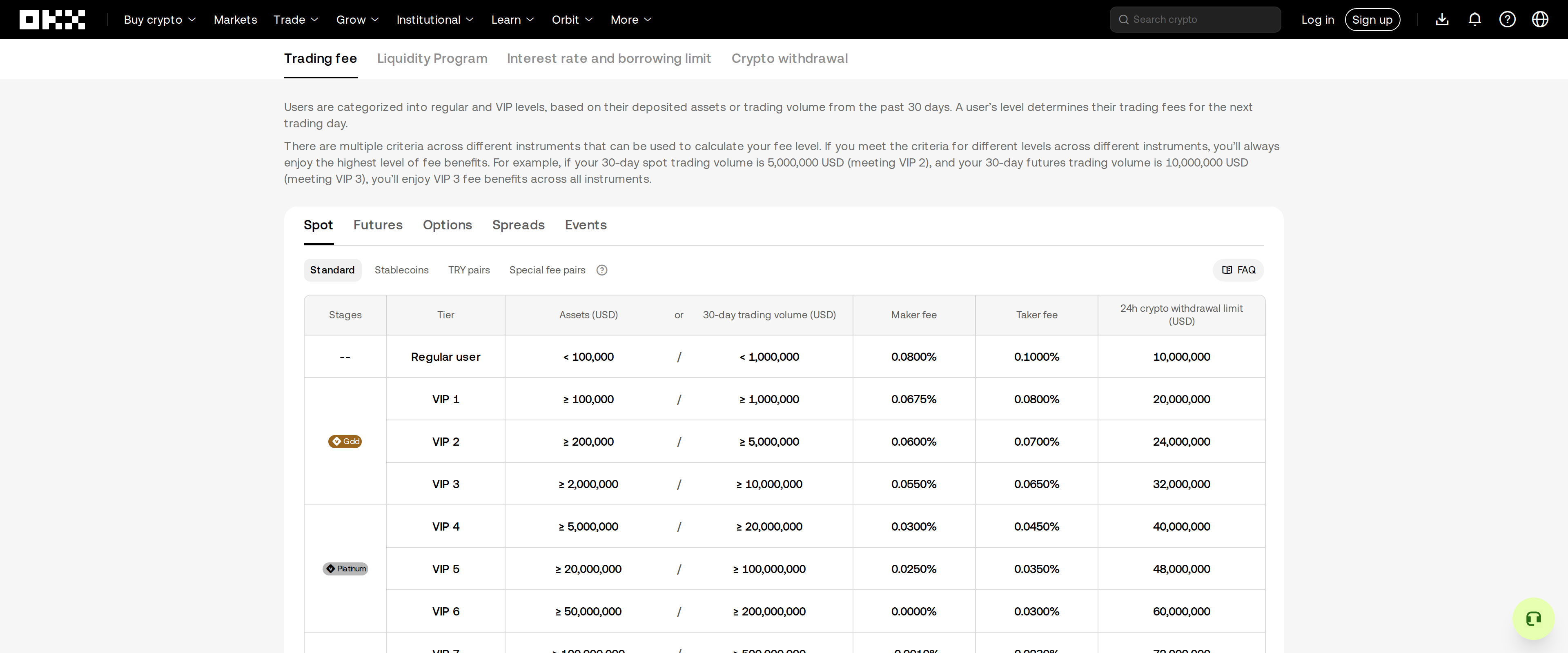
Placing test orders on BTC/USDT and ETH/USDT filled at prices within a few cents of the mid-market rate, and the order book on both pairs stayed thick enough that our largest test order barely moved the price. Regular-tier fees sit at 0.08% maker and 0.10% taker, already a shade below Binance's flat 0.100%/0.100%, and paying fees in OKB shaves off a further 20 to 25%. Push enough volume or hold enough OKB and the top VIP tier drops taker fees to 0.015%, a rate aimed squarely at market makers and funds rather than retail traders, but it shows how aggressively OKX prices itself against the larger exchange it is chasing.
The Web3 wallet is the actual differentiator
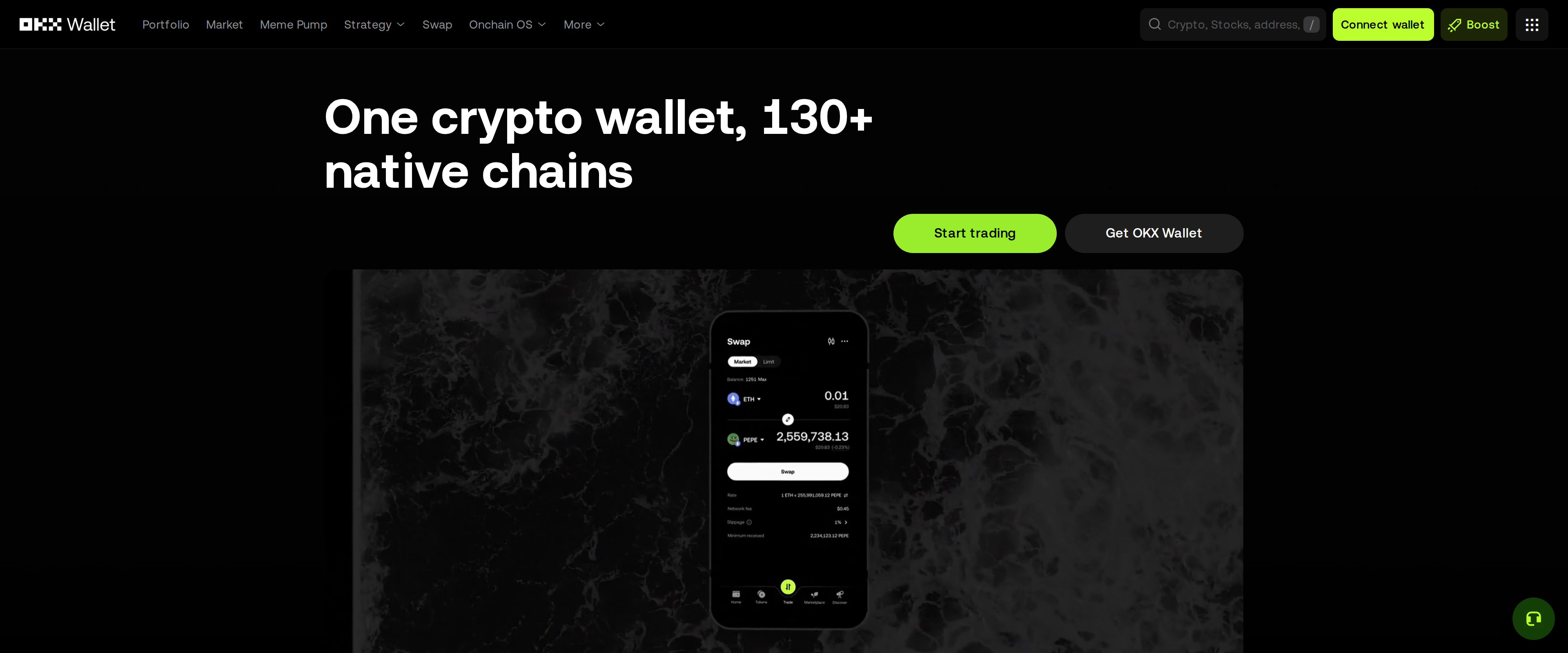
Most exchanges bolt a basic wallet onto their app as an afterthought. OKX's Web3 wallet reaches more than 130 chains natively, lets you swap, bridge and track a portfolio without connecting to a separate browser extension, and syncs against the same account you use for spot trading. We moved a small balance from the exchange side into the wallet and swapped it across two chains without leaving the app, which is a smoother path into DeFi than opening MetaMask and hunting for a bridge yourself. It is still a hot wallet tied to an app you did not build, so treat it as a convenience layer for active use, not a substitute for cold storage on anything you intend to hold long term.