Crypto Tax SoftwareReview
Koinly review: how much manual cleanup a DeFi-heavy tax year still needs
Koinly promises a crypto tax report in under 20 minutes by syncing exchanges and wallets automatically. We tested it against a mixed exchange and DeFi transaction history to see how much manual relabelling survives the sync.
Our verdict
Koinly gets exchange history right with almost no work from you, and its free tracking tier is generous enough to test before paying. DeFi activity is a different story: wrapped tokens, liquidity pool entries and staking rewards still need a manual pass, so budget an evening of relabelling, not the 20 minutes on the homepage, if you touched more than a couple of protocols this year.
Best for: Traders with mostly exchange activity and a handful of DeFi transactions to check by hand
- Price
- Free to start; paid reports per tax year
- Made by
- Koinly
What we liked
- Free plan tracks unlimited wallets and shows gains before you pay for a report
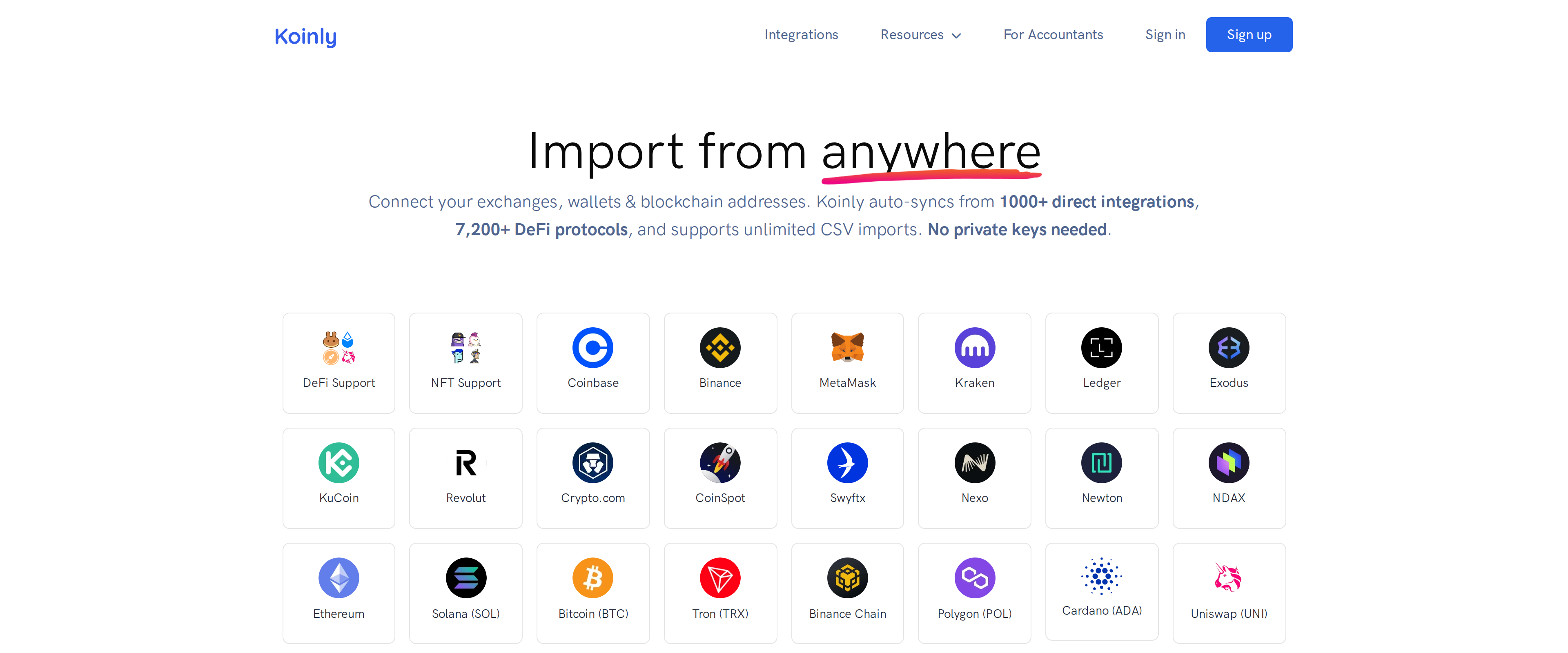
- Over 1,000 direct exchange and wallet integrations plus 7,200+ DeFi protocols
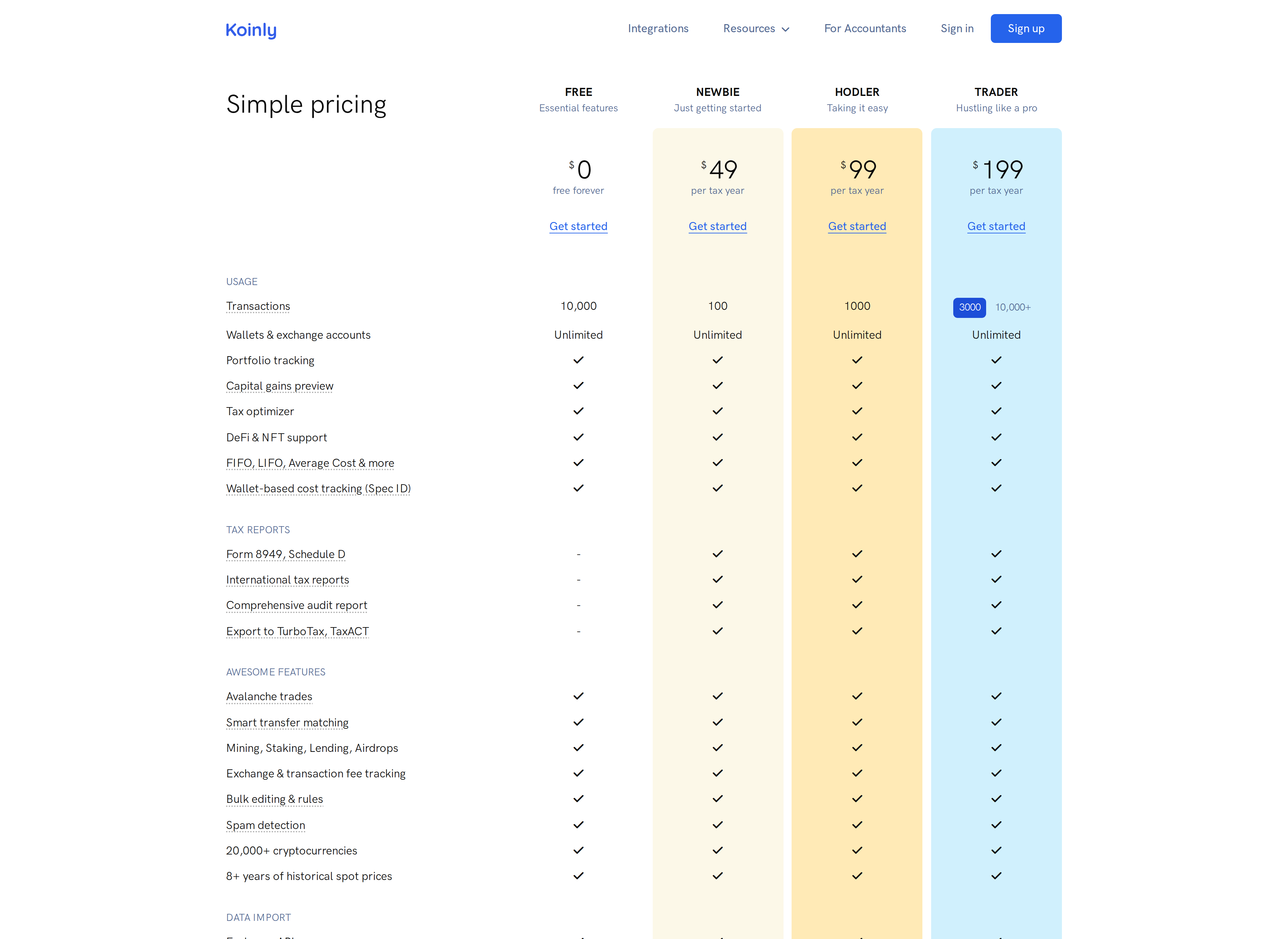
- Newbie plan at $49 covers 100 transactions, cheap for a light trading year
- Trustpilot rating around 4.6 out of 5 across more than 2,200 reviews
What held it back
- Wrapped tokens and liquidity pool moves routinely need manual relabelling
- Paying per tax year adds up fast if you file several years at once
- Overage fees apply once you cross a plan's transaction limit mid-year
- Support gets slower during the tax season rush, per repeated user reports
We ran a full tax year through Koinly using a mix of two exchange accounts, a self-custody wallet, and eight DeFi protocols including a liquidity pool and a couple of staking contracts. The homepage promises a report in under 20 minutes. Our sync finished in about that time. Getting the report to a state we would actually file took closer to three hours, and almost all of that gap was DeFi.
The sync itself works exactly as advertised
Connecting exchange accounts was the easy part. Koinly lists more than 1,000 direct exchange and wallet integrations on its own integrations page, and pulling a full transaction history from each account we tried needed nothing beyond an API key or a public wallet address.
Deposits, withdrawals, trades and simple swaps came through correctly labelled on the first pass, matched against cost basis without us touching a single row. If your crypto year was two exchange accounts and nothing else, Koinly earns the confidence its marketing sells.
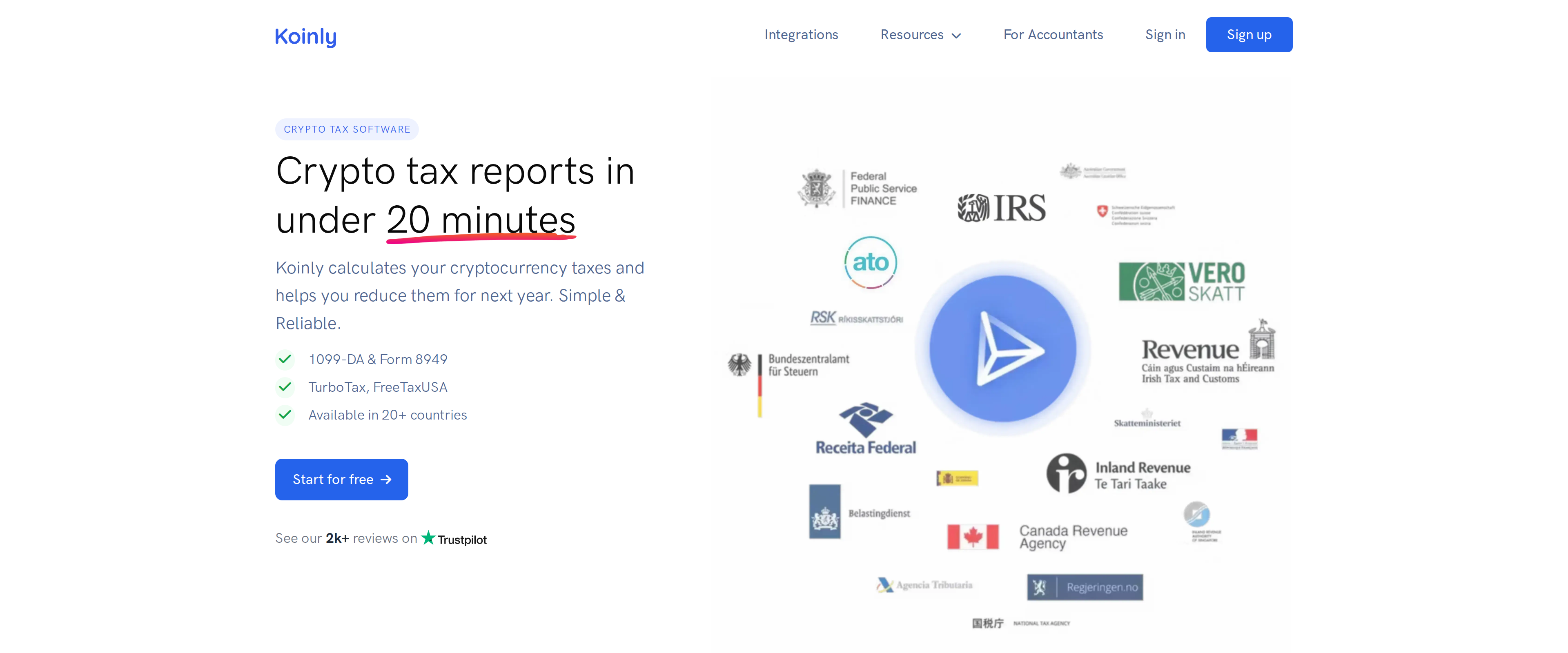
Currency support extends to 20 or more tax jurisdictions according to Koinly's own homepage, and the platform asked us upfront which country's rules to apply rather than defaulting to a US-only view. That mattered for cost basis method, since our test account used first-in-first-out by default but let us switch to average cost with a couple of clicks once we confirmed which method our filing actually required.
Where the twenty-minute promise breaks down
DeFi is a different animal, and Koinly does not hide that in its own support documentation. Wrapped tokens showed up as separate assets rather than the same underlying coin, which briefly inflated our taxable gain until we manually merged them. A liquidity pool deposit and withdrawal, which should net to a wash if the pool value barely moved, initially registered as a disposal event on entry and a separate acquisition on exit. Staking rewards from one protocol came through as income at the correct value; rewards from a second protocol showed up unlabeled and needed manual classification.
None of this is unique to Koinly. Every crypto tax platform we know of struggles with the same handful of DeFi patterns, because a single on-chain transaction genuinely can look like three different taxable events depending on how you interpret it. What matters for a buyer is that Koinly flags the ambiguous ones for review rather than silently guessing, so at least you know where to look. Budget real time for that review if your year included more than a couple of protocols.
What you actually pay, and when the free tier stops helping
Koinly's free plan tracks unlimited wallets and shows your gains and losses before you ever pay, which is genuinely useful for checking whether the paid tiers are worth it. You cannot download the finished tax report without upgrading, though.
Specifications
- Free plan
- Unlimited wallet tracking, no downloadable tax report
- Newbie plan
- $49 per tax year, up to 100 transactions
- Hodler plan
- $99 per tax year, up to 1,000 transactions
- Trader plan
- $199 per tax year, up to 3,000 transactions
- Overage cost
- Roughly $10 per extra 1,000 transactions
- Direct integrations
- 1,000+ exchanges and wallets
- DeFi protocol coverage
- 7,200+ protocols
- Countries supported
- 20+ tax jurisdictions