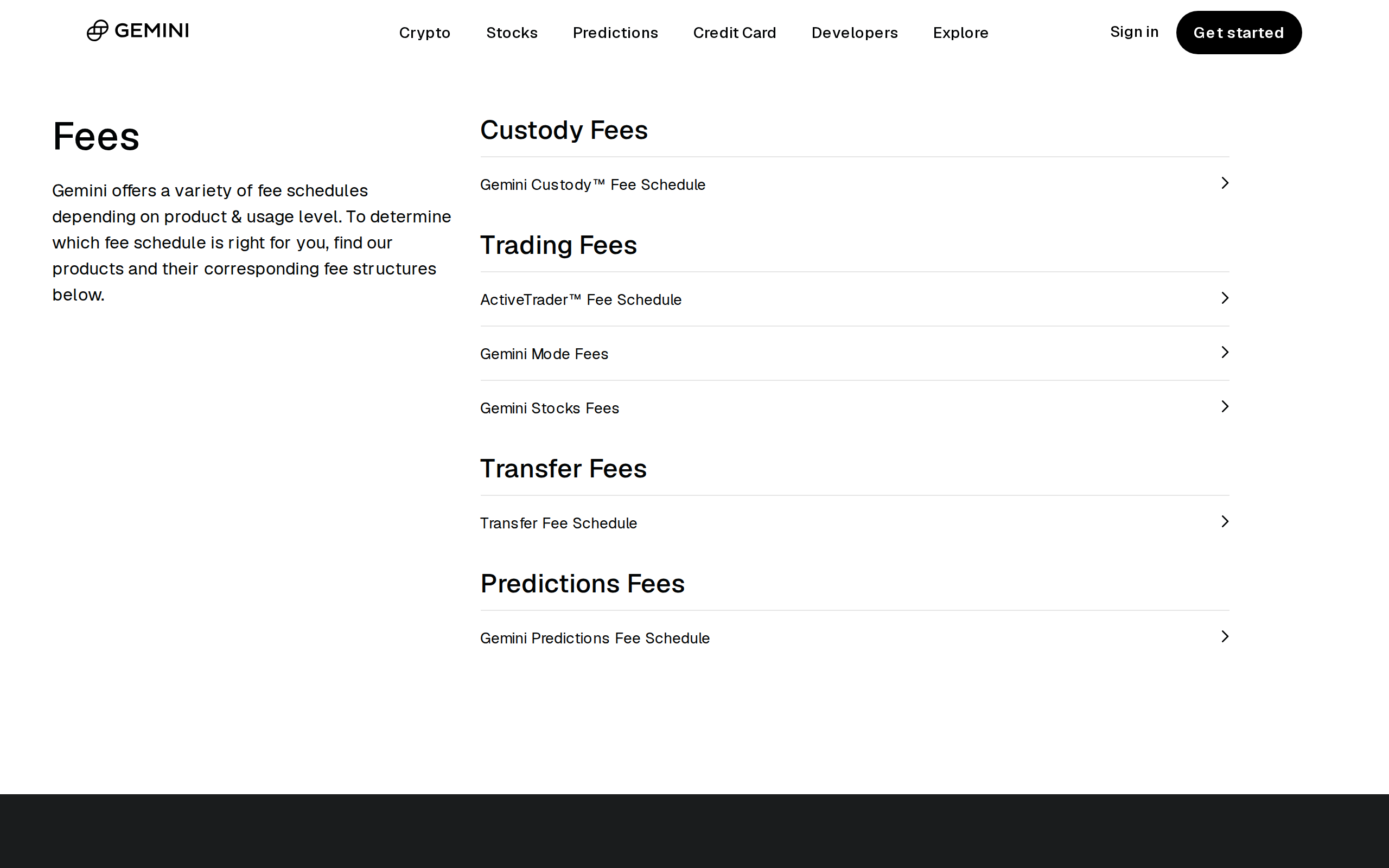
Gemini built its reputation on licenses and audits rather than low fees. We bought Bitcoin through its simple interface, checked the ActiveTrader fee schedule and read the $1.1 billion Earn settlement to see whether the compliance-first pitch is worth what it costs.
Gemini has spent a decade selling compliance as the product, not a footnote to it. The Winklevoss twins built the exchange around a New York trust charter years before most competitors registered anywhere at all. We bought a small amount of Bitcoin, checked both fee paths and read through what actually happened to the Earn program that put Gemini's compliance story under the most pressure it has faced.
What the trust charter actually buys you
A New York state trust charter is not marketing language. It means Gemini answers to the same banking regulator that oversees state-chartered banks, holds customer assets under fiduciary rules and submits to routine exams rather than choosing when to disclose one.

The Trust Center backs that up with specifics: audited financial statements filed every year since 2019, SOC 1 and SOC 2 Type 2 exams covering the same span, 99 supported cryptocurrencies, and operations across 41 countries. Competing exchanges publish marketing pages about security. Gemini publishes a page of exam dates, which is a smaller claim and a more checkable one.
Two fee paths, and they are not close
We bought five dollars of Bitcoin through the basic interface, the version most new users open first.