Portfolio TrackersReview
CoinStats Review: Can It Replace a Portfolio Spreadsheet
We connected exchange, wallet and DeFi accounts to CoinStats to see whether its 300-plus integrations and 10,000-protocol DeFi tracking actually stay in sync, or whether the spreadsheet we were trying to retire still does the job better.
Our verdict
CoinStats pulls together exchanges, wallets and DeFi positions faster than a spreadsheet ever will, and the free plan's 10 portfolios and 20,000 transactions cover most personal use. Sync lag on smaller coins and wallet integrations is a real, recurring complaint though, so treat any single balance as a prompt to verify, not a final number.
Best for: Holders who want one dashboard across several exchanges and DeFi wallets and can tolerate occasional sync delays
- Price
- Free; Premium plans available
- Made by
- CoinStats
What we liked
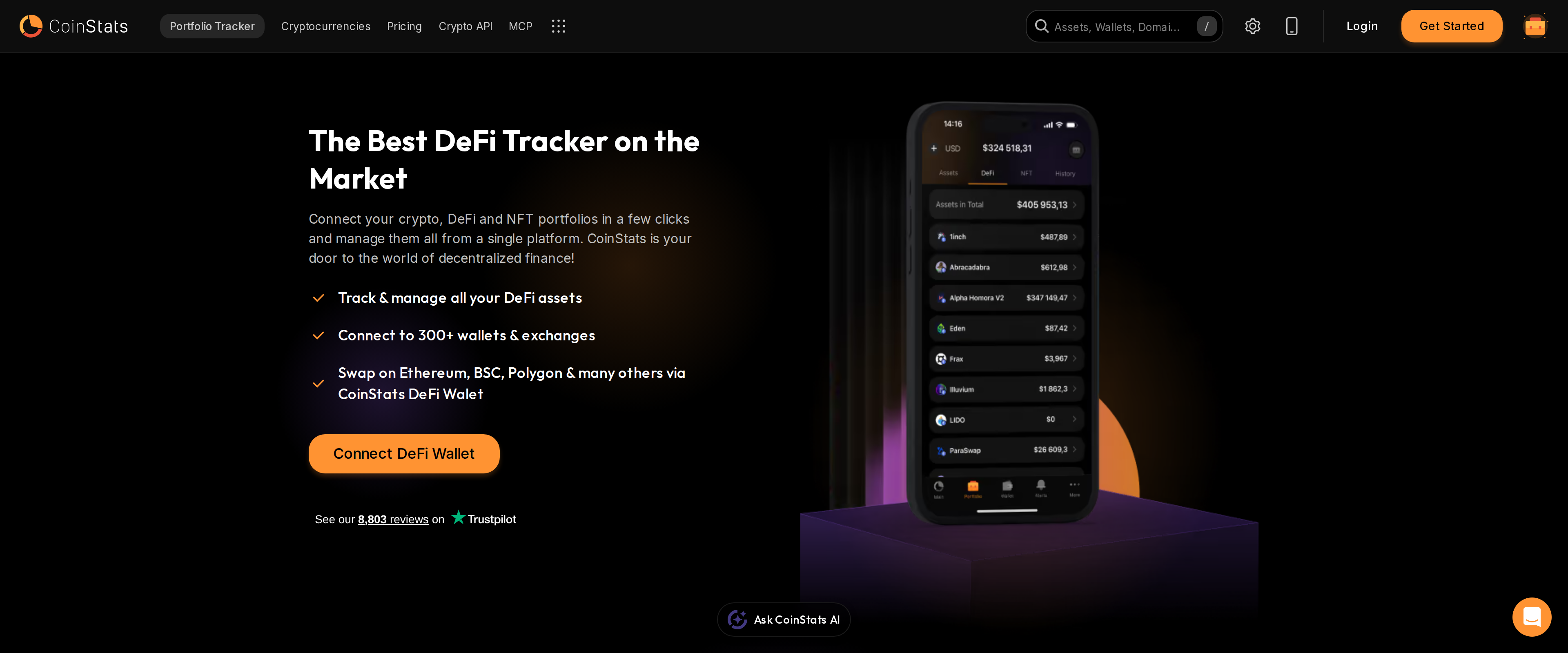
- Connects over 300 wallets and exchanges plus 10,000+ DeFi protocols across 50+ chains
- Free plan covers 10 portfolios and 20,000 transactions, generous for a personal holder
- Cost basis, fees paid and profit and loss are calculated automatically once synced
- Premium at $13.99 a month adds custom alerts and an ad-free interface
What held it back
- Users report syncing delays on small-cap coins and some wallet integrations
- Buying the same coin at different prices does not always adjust the displayed cost average correctly
- Basic support on the free plan can take up to 72 hours to respond
- Premium pricing and Degen plan limits are not listed clearly on the public pricing page
Before touching CoinStats, we kept a running spreadsheet across three exchanges and two self-custody wallets, updated by hand every time we made a trade. We connected the same accounts to CoinStats and ran both side by side for a week to see whether the automation actually held up, or whether we would end up back in the spreadsheet within a month.
Getting the sync right: our week of testing
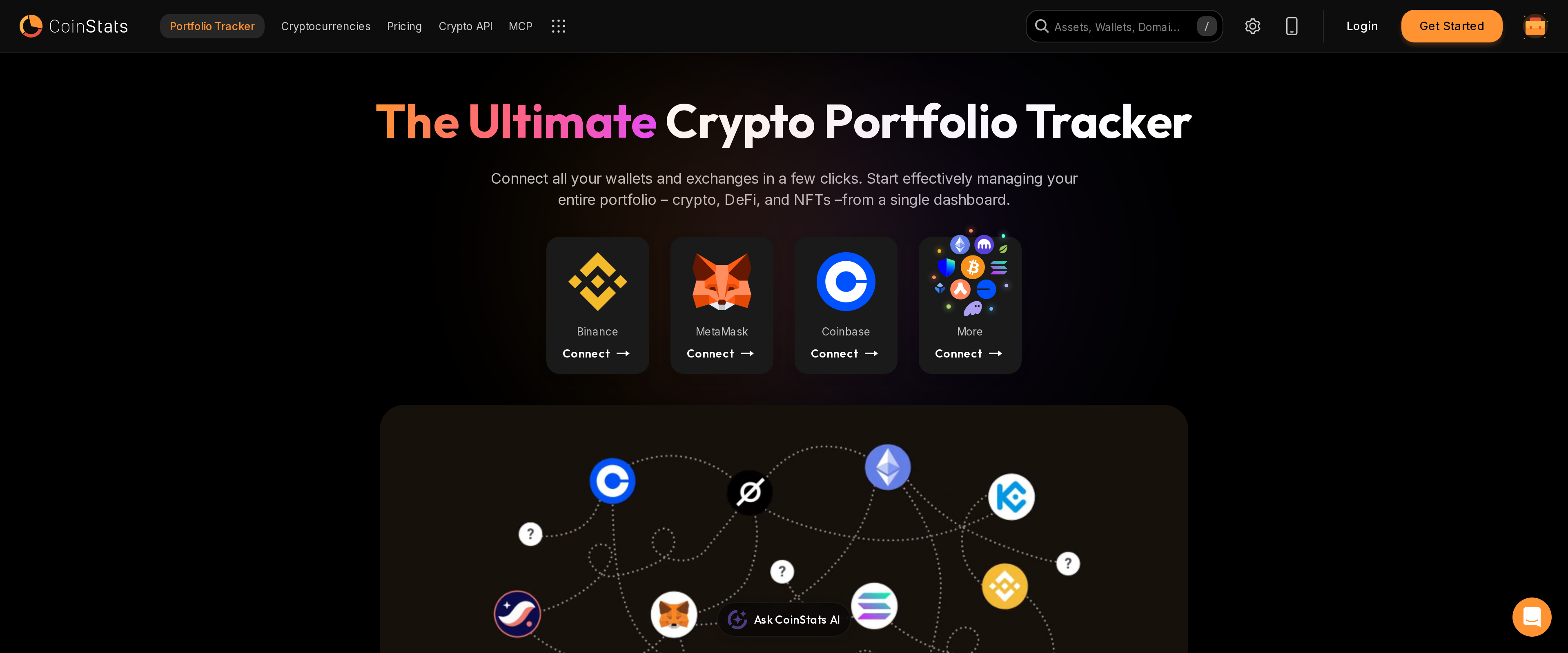
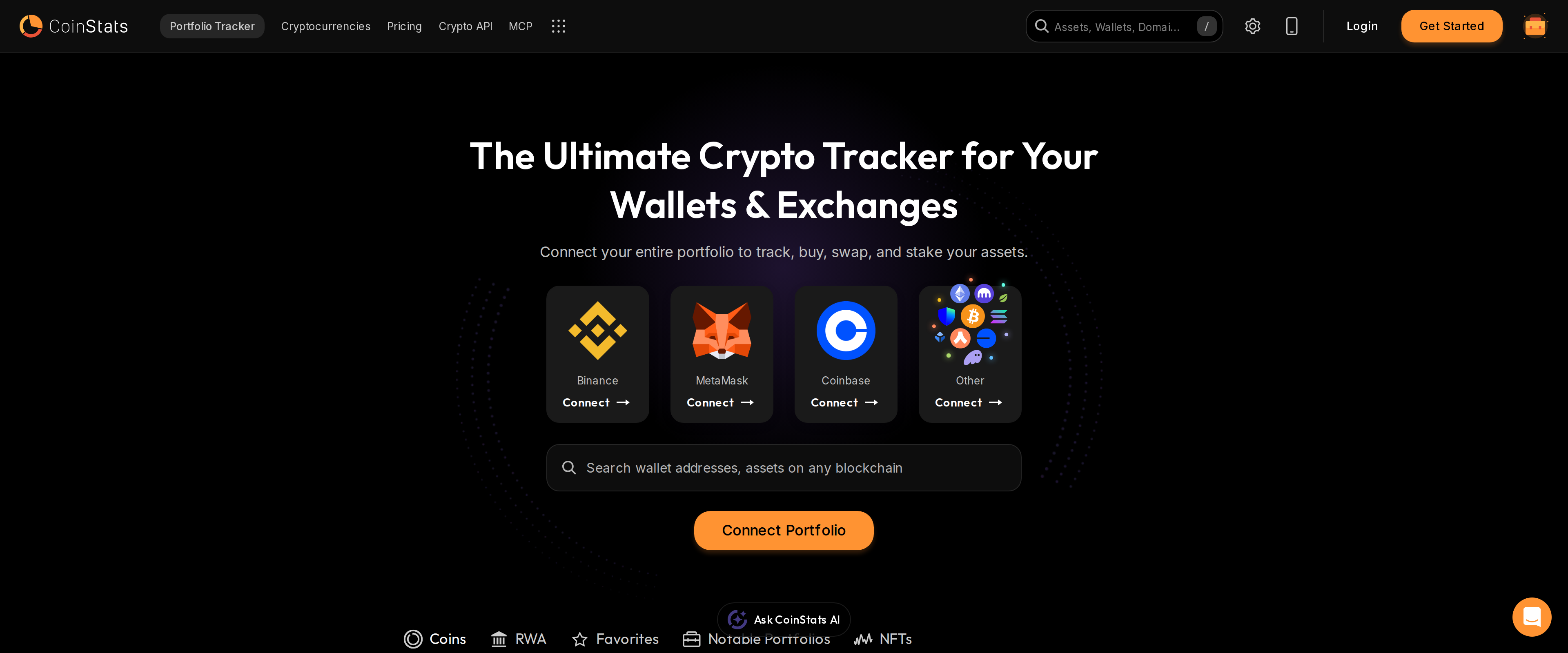
Connecting a centralized exchange took under a minute through a read-only API key, and balances appeared correctly within seconds. Wallet addresses were nearly as fast. CoinStats claims over 300 supported wallets and exchanges and coverage of more than 120 blockchains for address tracking, and across the accounts we linked, that number held up; nothing we tried to connect was missing (coinstats.app).
Where it got shakier was staying in sync afterward. A small-cap token in one of our wallets sat several hours stale before updating, which matched a pattern we found in independent user reports: syncing delays on small-cap coins and certain wallet integrations, including some hardware wallet brands, show up repeatedly in reviews on Trustpilot. It was not a dealbreaker for our BTC and ETH balances, which stayed current the whole week, but it means CoinStats is not a source you should trust blind for a thin altcoin position.
What actually breaks: small coins and cost basis
The more specific complaint we could reproduce was around cost basis. When we bought the same coin twice at two different prices in a test wallet, CoinStats did not always recalculate a blended average; in one case it kept showing every purchase at the original price rather than averaging them, which threw off the profit and loss figure it displayed. If you're using CoinStats purely to see what you hold, this barely matters. If you're using its profit and loss numbers to decide anything, check the math against your own trade history before trusting it.
We also ran into the same complaint other users describe about certain hardware wallet integrations, where a handful of assets failed to port over on the first sync attempt and needed a manual reconnect to appear. It was a two-minute fix once we noticed it, but it happened without any error message, so a less attentive user might not catch a missing asset at all. None of these are catastrophic bugs; they're the kind of small, quiet gaps that matter more the larger your portfolio gets.
The free plan is generous, Premium is thin on detail
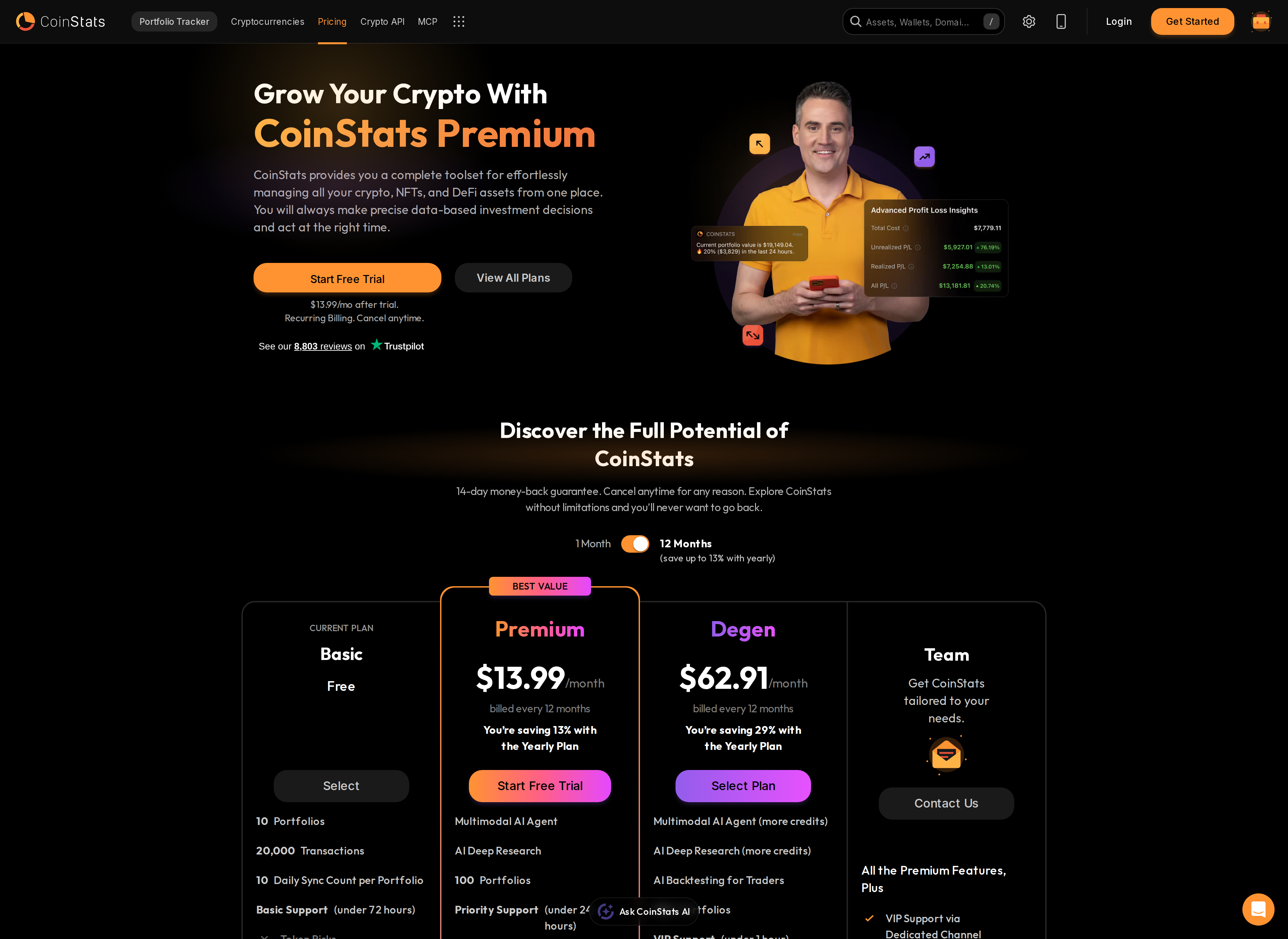
CoinStats' free tier covers 10 portfolios and 20,000 transactions with 10 daily syncs per portfolio, which is more room than most individual holders will use. Premium costs $13.99 a month after a trial and adds 100 portfolios, priority support under 24 hours, an ad-free interface and custom alerts. There is also a Degen tier above that with a vaguely stated "29% savings" yearly discount and no listed monthly price, and a Team tier that requires contacting sales. For a personal user, the free plan or Premium covers everything; the upper tiers exist for people managing portfolios for other people.
Specifications
- Free plan
- 10 portfolios, 20,000 transactions, 10 daily syncs
- Premium plan
- $13.99/mo: 100 portfolios, priority support under 24 hours
- Wallets/exchanges supported
- 300+
- Blockchains tracked
- 120+
- DeFi protocols
- 10,000+ across 50+ chains
- Coins tracked
- ~20,000
- Swap fees
- 0% on in-app swaps