Hotspot Shield Review: Fast Hydra Protocol, but Is the Privacy Record Good Enough?
Hotspot Shield pairs a home-grown protocol with a free plan limited to one device. We read its privacy notice, audit page and plan terms, and set them beside independent speed and leak tests to see whether speed covers the gaps.
6.6 out of 10
Best for Casual users who want a fast, easy VPN and can accept connection logging
By The Cipherwell Test Desk
hotspotshield.com
The verdict
Hotspot Shield is quick and clean in independent tests: no IP, DNS or WebRTC leaks across 60 locations and a 3 percent download slowdown. The privacy side is the compromise. It logs session length and bandwidth, the free tier carries ads on some apps, and the audit page names no firm or date. A fair pick for speed on public Wi-Fi, not for people with a threat model.
What we liked
Security.org found no IP, DNS or WebRTC leaks across 60 server locations
Download speed fell only about 3 percent in the same independent test
The free plan has no data cap, with a kill switch and split tunneling included
Premium covers 10 devices and costs $7.99 a month on a yearly term
WireGuard and the Hydra protocol performed about equally in testing
What held it back
The audit page names no auditor, date or findings on the page itself
Logs session duration and bandwidth, plus anonymised domain access
Premium auto-renews monthly at $12.99 after the $1.99 introductory rate
The free plan connects one device only, and its notice mentions ads
Pango is US-based, inside the Five Eyes group of countries
Speed is the reason anyone picks Hotspot Shield, and the independent numbers back the claim. The reason to pause is a privacy record that is thinner than the best names in this category. We weighed the two against each other, and the answer depends on what you are protecting yourself from.
What the protocol buys you
Pango, the US company behind the service, built its own tunnelling protocol called Hydra. Security.org's tests found Hydra "great for obfuscation", but also that plain WireGuard matched it for speed. In that test a download slowed by only about 3 percent, while a 15 GB upload that normally took 10 minutes stretched to 35. So the speed is good, though the proprietary part is not what delivers it.
Hydra defaults to AES-128, with AES-256 available. Both are sound ciphers, but a custom protocol cannot be checked by the open-source community the way WireGuard can. We would keep WireGuard selected unless a network blocks it.
The same testers saw zero IP, DNS or WebRTC leaks across 60 server locations, and Netflix, Max, Prime Video and BBC iPlayer worked. Disney+ blocked the VPN every time.
The free plan, and what it hides
hotspotshield.com
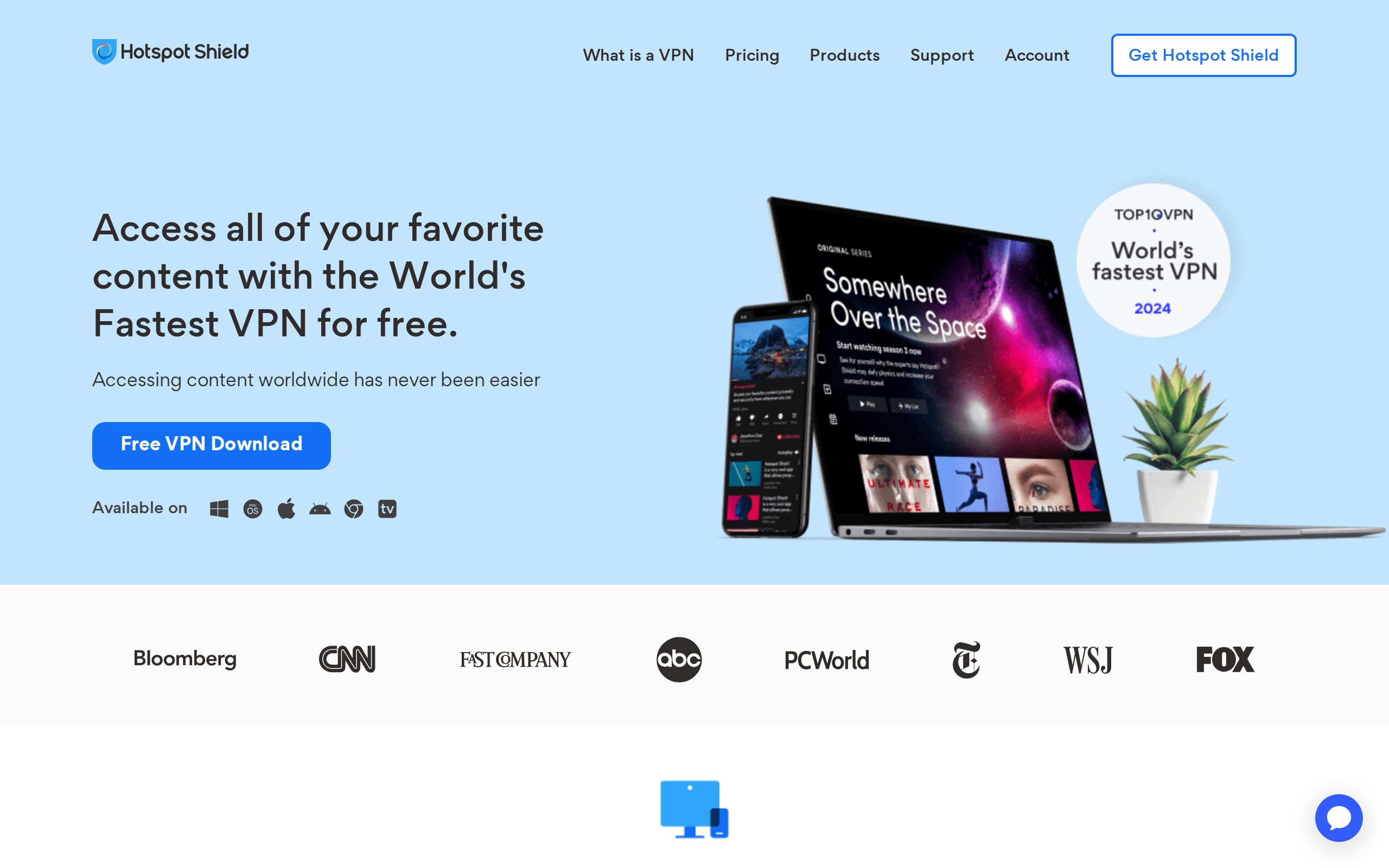
The free VPN page promises the fastest VPN at no cost, with one device per account.
The free plan is more generous than most. The page lists unlimited bandwidth, a kill switch, split tunneling and access to the 1,800-plus servers in 80-plus countries. The catch is a single device. Premium lifts that to 10.
There is a wrinkle worth reading twice. The free page says there are no ads, yet Pango's own privacy notice says paid versions "do not contain ads", which implies free versions can. Security.org reports ads on mobile. If you test the free tier, expect that discrepancy to show up in the app.
What gets logged
hotspotshield.com
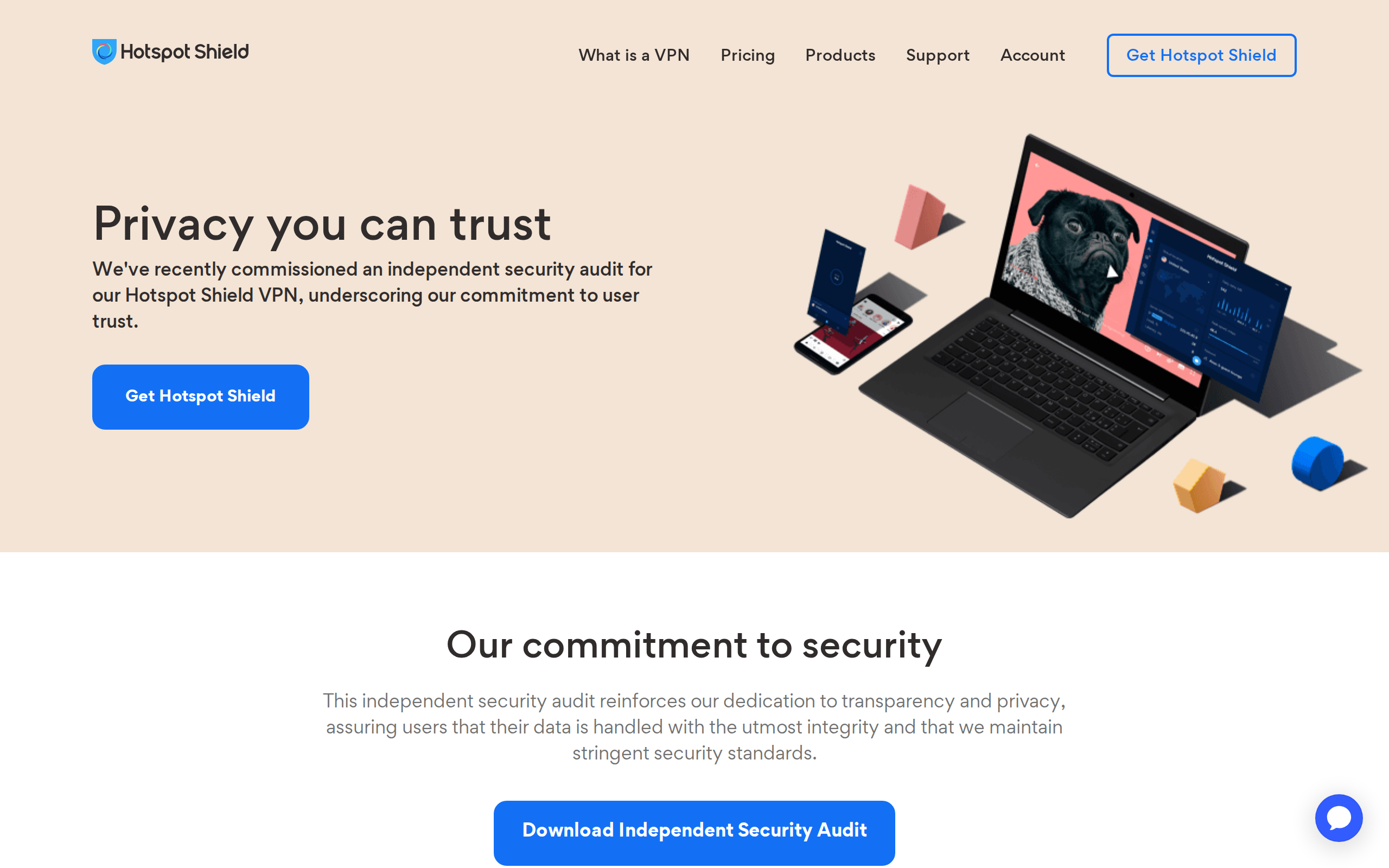
The audit page links a downloadable summary report but gives no auditor name on the page.
Pango says it does not record your browsing "in any way that can be associated back to you", and that your IP address is encrypted and deleted when the session ends. Look at the rest of the notice before you relax. It logs session duration and bandwidth used, and it logs the domains visited, anonymised so they cannot be tied to a user. It gives no retention period.
The audit page is the weakest part. It says an independent audit was "recently commissioned" and links a PDF named as a privacy policy review summary. It does not say who did the work, when, or what was found. Compare that with providers that publish the auditor and the findings in full. A no-logs claim without those details is a promise, not a proof.
Pricing and the renewal trap
Premium opens at $1.99 a month. Per the plan page, it then renews monthly at $12.99. The more sensible route, according to Security.org, is the yearly term at $7.99 a month, billed $95.88 up front. Set the monthly figure beside rivals reviewed on this site and Hotspot Shield stops looking cheap. If you take the intro offer, put a reminder in your calendar the day you sign up. We did not find a clear refund period on the money-back page, so ask support before paying.
Network size
hotspotshield.com
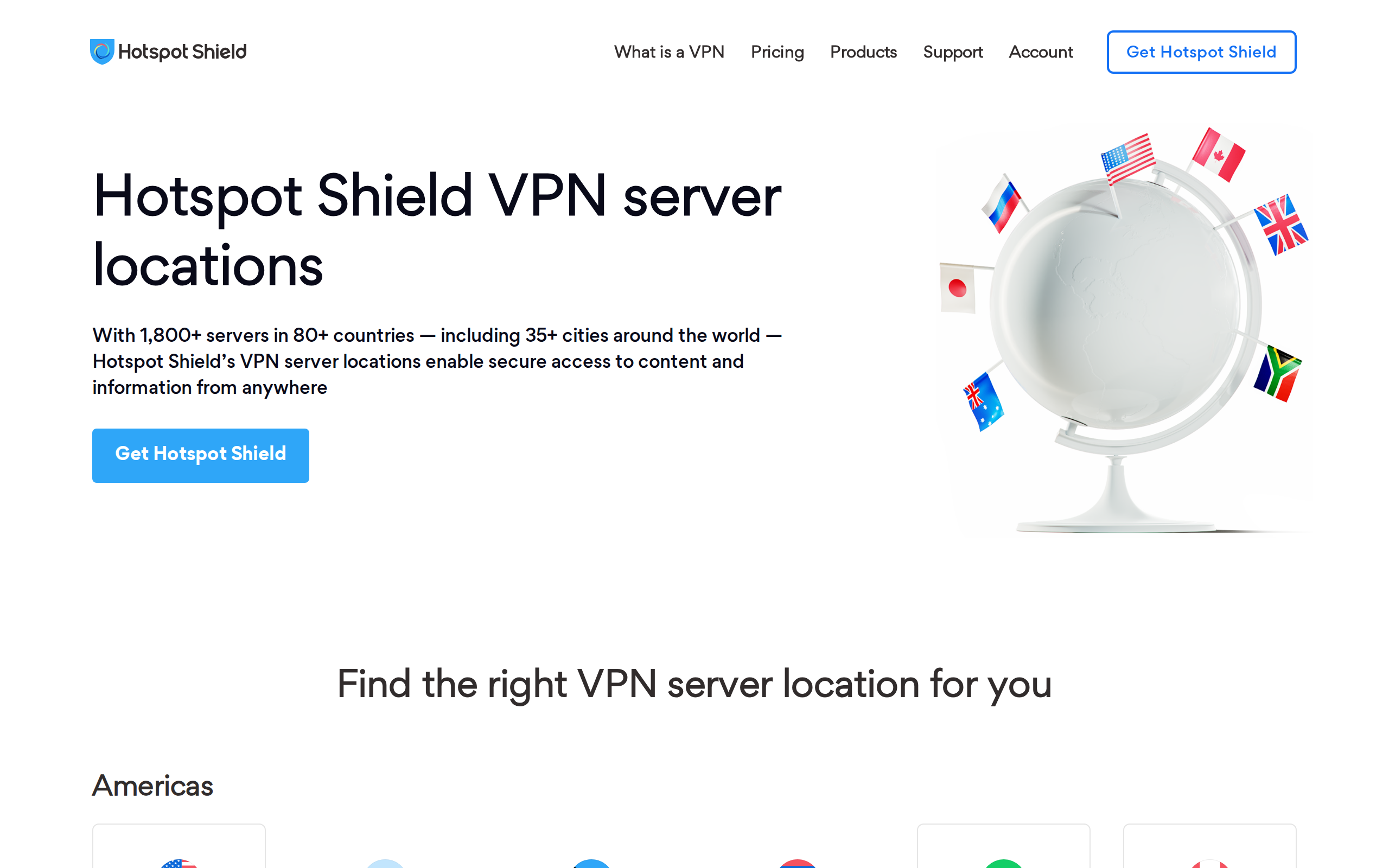
The server page counts 1,800-plus servers in 80-plus countries and 35-plus cities.
The official figure is 1,800-plus servers. Some review sites quote more than 3,000, but we used the number on the maker's own page. For most people the spread is wide enough. A smaller server count matters less than whether the servers are owned or rented, and Pango does not say.
Everyday use on public Wi-Fi
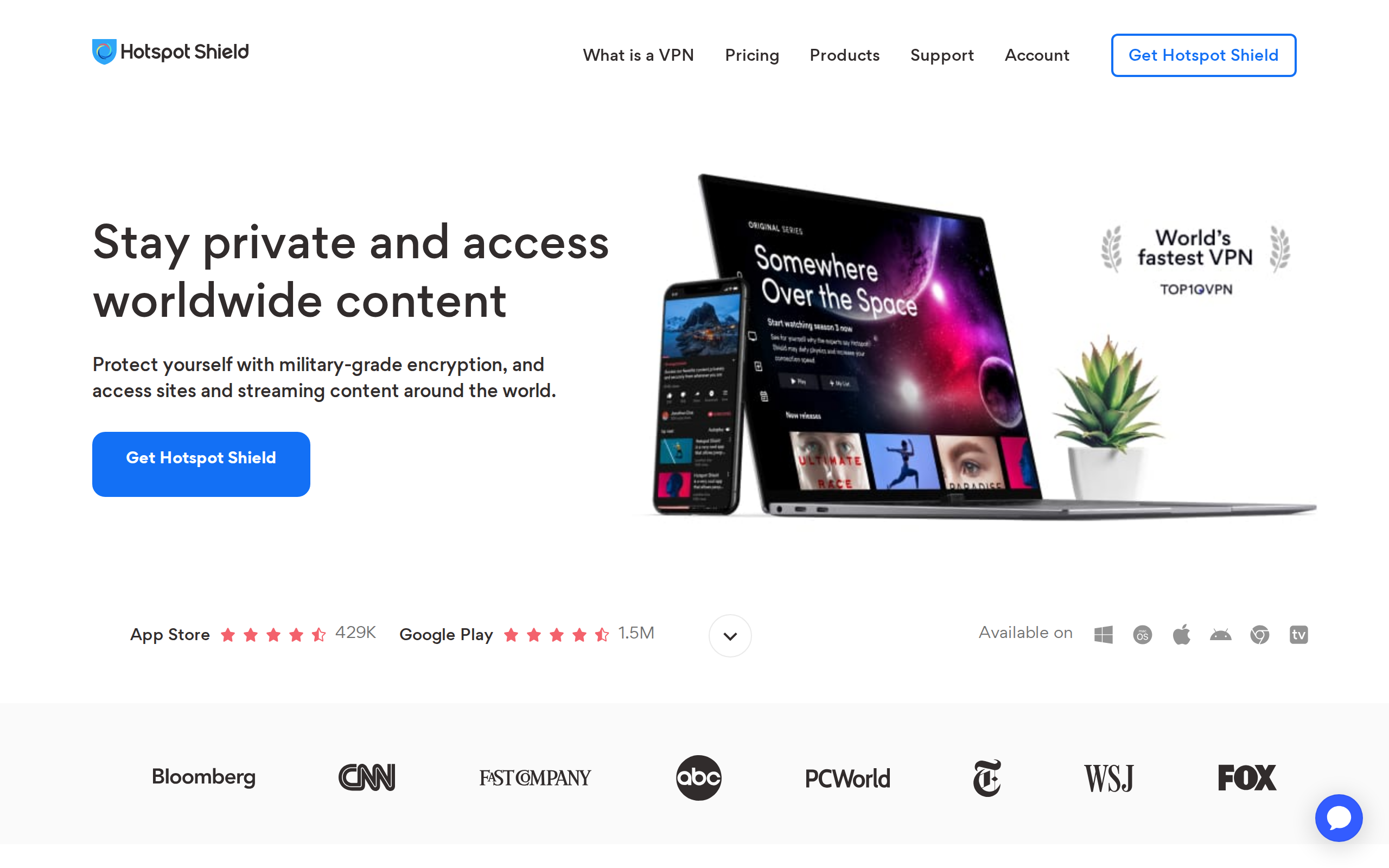
The app set is wide: Windows, Mac, iPhone, Android, Chrome and TV, per the site's own product list. The kill switch and split tunneling arrive on the free plan too, which is rare. On a cafe or airport network that is the useful core: the tunnel stays up, and traffic cuts off if it drops. Netflix and Prime Video worked in independent tests, so streaming away from home is realistic. Expect Disney+ to refuse the connection.
We would not call it a privacy tool for people who need anonymity. It is a security tool for ordinary browsing, and on those terms it does the job.
Who should use it
Choose Hotspot Shield if you want a fast, simple VPN for cafe Wi-Fi and streaming, and you accept that the company knows when you connected and how much you used. The free plan is a fair test for one phone or laptop.
Skip it if you need a verifiable no-logs record, a non-US operator, or you are a journalist or activist. In that case look at a VPN with a published audit and open-source apps. This review describes a product and is not personal security advice.