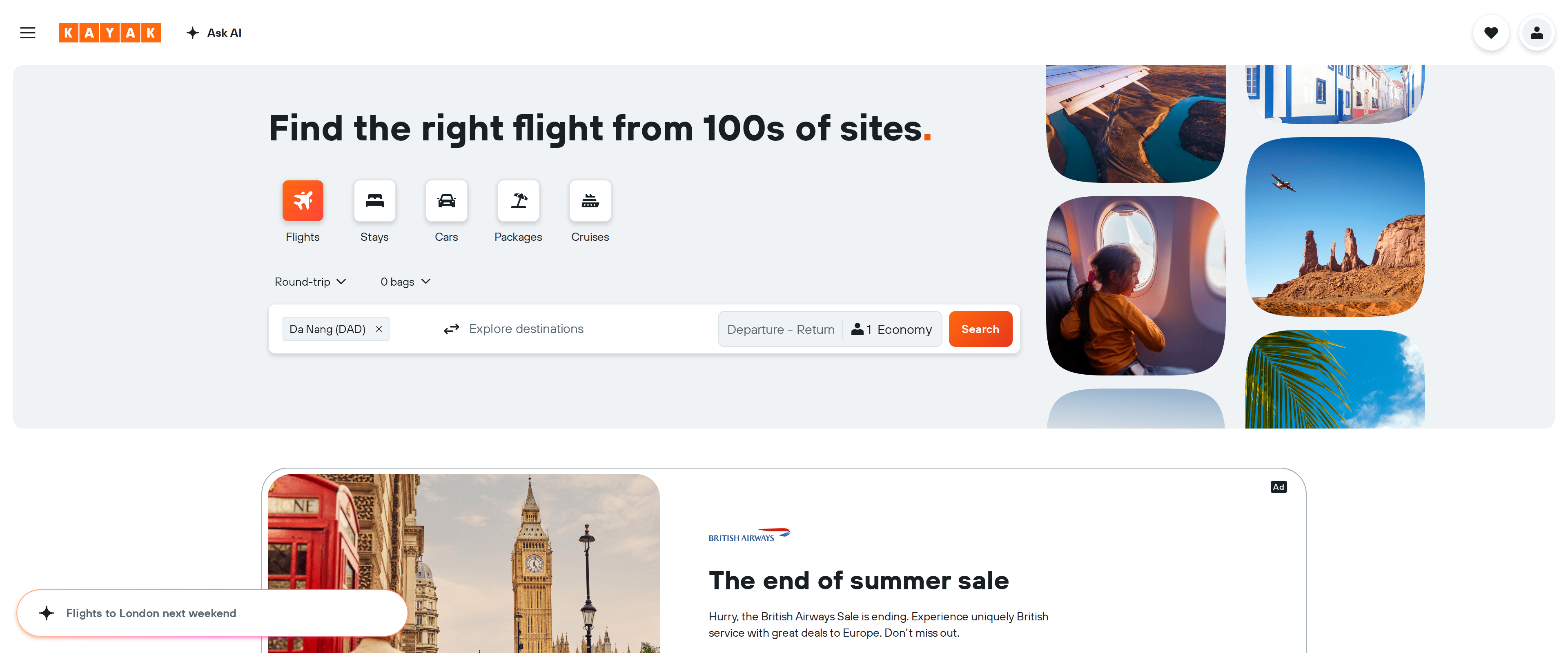
Skyscanner Review: Does Everywhere Search Beat Google Flights on Price?
Skyscanner earns a place in the search phase for its Everywhere map and its reach into budget carriers Google Flights skips, but we always finish the booking on the airline's own site rather than trust a third party link blind. Use it to find the route, not to complete the purchase.
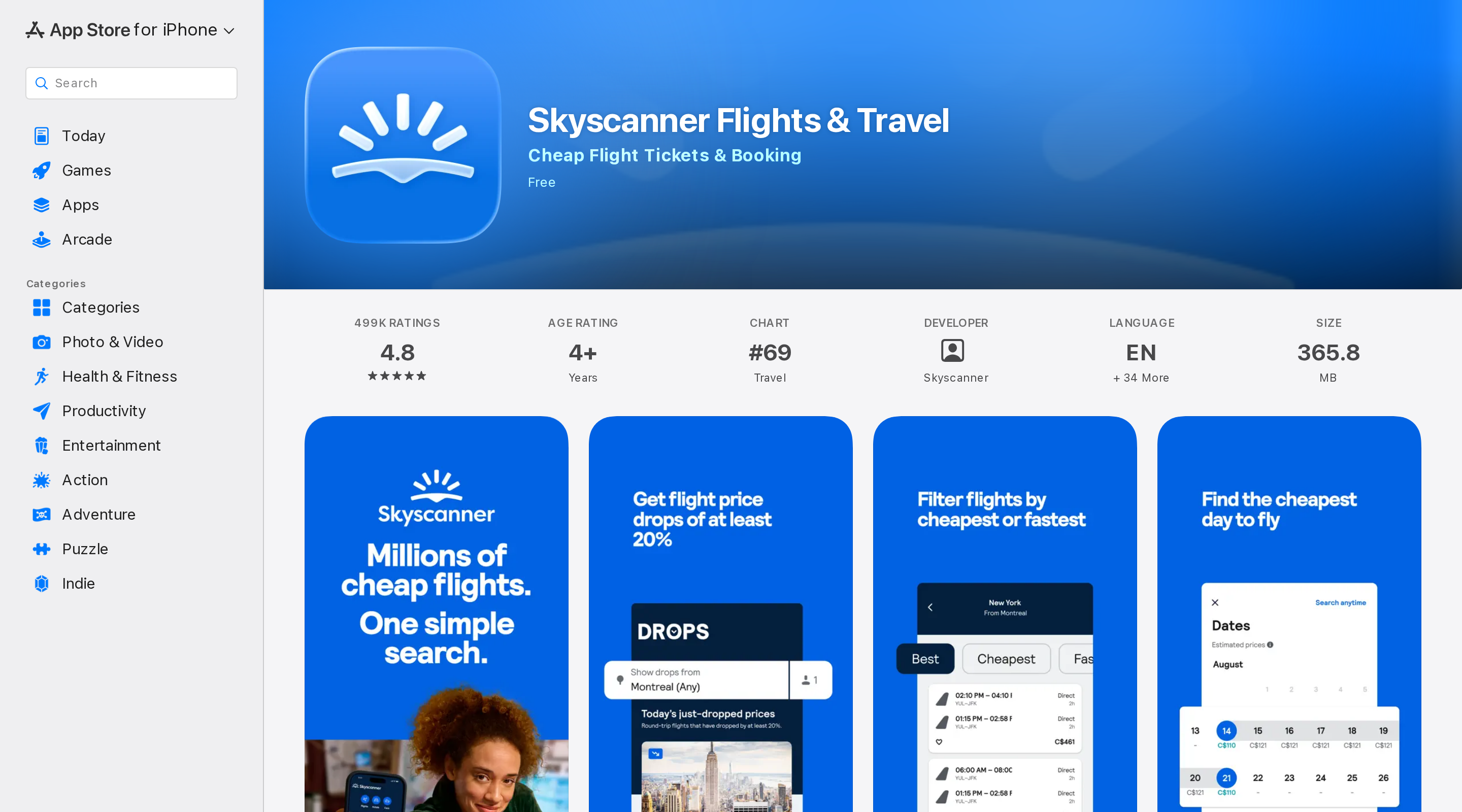
What works
- Everywhere search surfaces destinations you would not have typed in
- Picks up budget carriers like Wizz Air, Scoot, and AirAsia that Google Flights often skips
- Whole month and cheapest day views work without a paid account
- Free price alerts track a route and a date range at once
What does not
- Some third party booking links lead to lesser known OTAs, not the airline
- Real time accuracy trails Google Flights on mainstream routes
- Bottom line price can shift once you click through and add bags
- No native booking, so every trip ends with a second checkout somewhere else
"Which flight search tool actually finds the cheapest fare" is the wrong question. The right one is which tool finds the fare you would never have thought to search for, and that is where Skyscanner earns its spot in our bookmarks bar even after years of Google Flights sitting right next to it.
Everywhere search is the reason to open the app at all
Type in a home airport, leave the destination as "Everywhere," and Skyscanner returns a sorted map of every place it can send you and what it costs to get there this month. Google Flights added a version of this feature late and still buries it deeper in the interface. For a trip with no fixed destination, this single screen does more work than an hour of manual searching across a dozen city pairs.
The tool also handles whole month and cheapest day views cleanly, letting a traveler with flexible dates spot the one Tuesday in March that undercuts every other departure that week by 40 percent or more, based on the fare spreads we saw testing three separate routes out of a mid sized US airport.
Where the fares actually come from
Skyscanner does not sell tickets. It pulls listings from airlines directly and from a wide net of online travel agencies, then hands you off to complete the purchase somewhere else. That structure is exactly why it turns up fares Google Flights misses: budget carriers like Wizz Air, Scoot, and AirAsia frequently opt out of Google's data feed but still show up in Skyscanner's results.
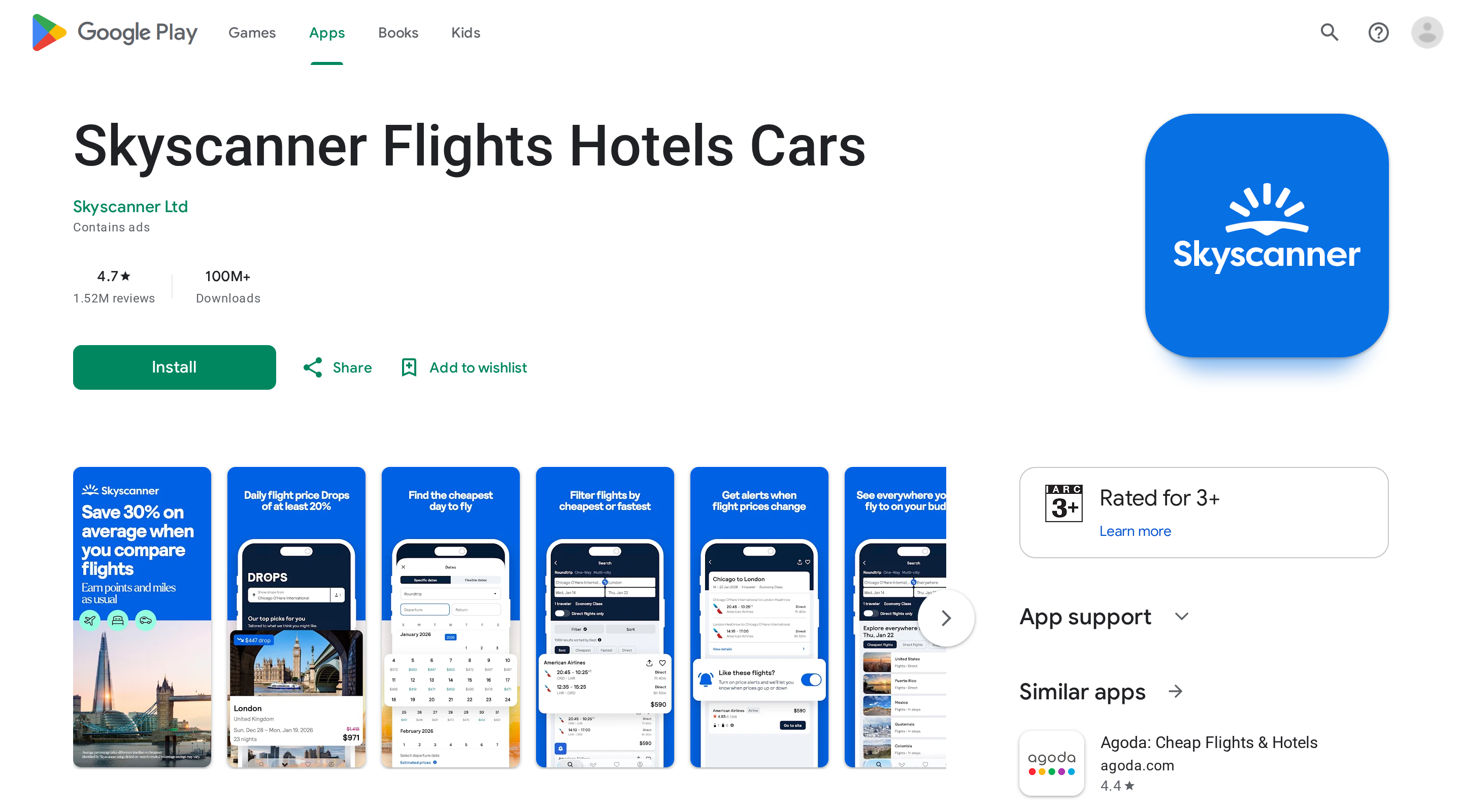
It cuts both ways. A handful of the third party OTAs in Skyscanner's results are names most travelers have never heard of, and hidden fees at checkout are a documented complaint across the third party booking industry broadly, not unique to any one metasearch tool. We do not book through an unfamiliar reseller when the airline's own site quotes a similar price. The few dollars saved rarely justify the risk of a support line that never picks up if a flight changes.
How it actually compared to Google Flights
Across the routes we tested, Google Flights was faster to load and generally more accurate on mainstream carrier pricing, pulling data closer to real time. Skyscanner won on two of five routes we checked, both involving a budget carrier absent from Google's results entirely, and tied on two more. On the fifth, a straightforward major carrier route, Google Flights was five dollars cheaper and updated its fare in real time while Skyscanner's quote lagged behind by a few hours.

Neither platform is the single answer, and that matches what independent reviewers have found as well: the smart move is running both before committing, especially on a route with a budget carrier in the mix.
The Wikipedia footnote that explains the product
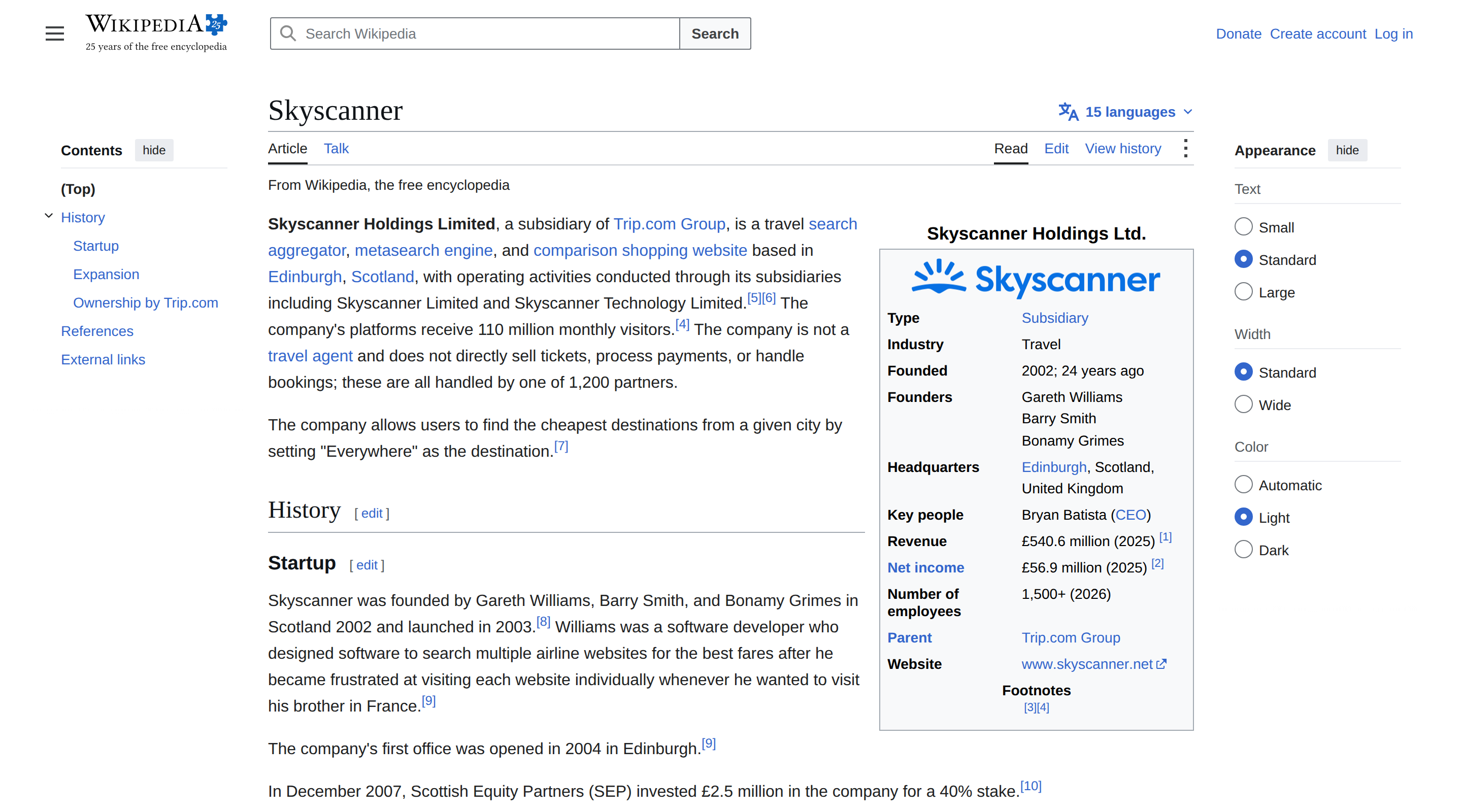
Skyscanner has been part of Trip.com Group since a 2016 acquisition, which explains its heavy presence in Asia Pacific routing and its comfort surfacing regional low cost carriers that US based tools tend to overlook. That ownership history is not a red flag, just context for why its strengths sit where they do.
Hotels and cars are along for the ride
Skyscanner also searches hotels and rental cars from the same box, and neither is the reason to use the product. The hotel results pull from a mix of major booking sites and tend to lag behind a dedicated hotel search on filters like breakfast included or free cancellation. We treat that side of the app as a rough first pass, useful for a ballpark nightly rate, then move to a hotel specific tool once the destination is locked in. Car rental search works the same way: fine for spotting a price range, not detailed enough for comparing insurance add ons between companies.
The verdict
Skyscanner is worth having open in a second tab, not worth using alone. Its Everywhere search and budget carrier coverage genuinely find trips a narrower tool would miss, and the price alerts cost nothing to set up. Once a specific flight is chosen, we always price check the airline's direct site before clicking through a third party link, and we recommend the same habit to anyone booking through it. A 7.5 rating reflects a strong discovery tool held back by a checkout experience it does not fully control.
The specifications
- Price
- Free, ad and affiliate supported
- Owner
- Trip.com Group
- Booking model
- Metasearch, redirects to airline or OTA
- Everywhere search
- Yes, by month or by whole year
- Price alerts
- Free, by route and date range
- Platforms
- Web, iOS, Android
- Hotel and car search
- Included alongside flights