SafetyWing Nomad Insurance Review: Rolling Cover Tested Against a Long Trip
SafetyWing earns its keep for anyone who can't commit to a fixed itinerary: the four week billing cycle and $250,000 medical limit cover the ordinary disasters cheaply. We would not carry Essential into a country with serious healthcare costs without also budgeting for a slow, document heavy appeal if a claim gets flagged as pre-existing.
What works
- Buy or renew a plan from anywhere, including mid trip
- $250,000 medical limit with a $100,000 evacuation cap
- Claims paid in about four days on average for straightforward cases
- Essential plan is billed every four weeks, not a rigid annual contract
What does not
- Essential excludes routine care and cancer treatment entirely
- Pre-existing condition denials show up often enough to plan around
- Disputed claims and appeals can stretch past four months
- Complete costs nearly three times more than Essential for the same traveler
SafetyWing built its pitch around a specific kind of traveler: someone who left home without a return date and needs insurance that does not assume they have one. The Trekvane Test Desk mapped a six month itinerary across three continents onto its two plans, read the exclusions line by line, and compared the running cost to a standard annual travel policy.
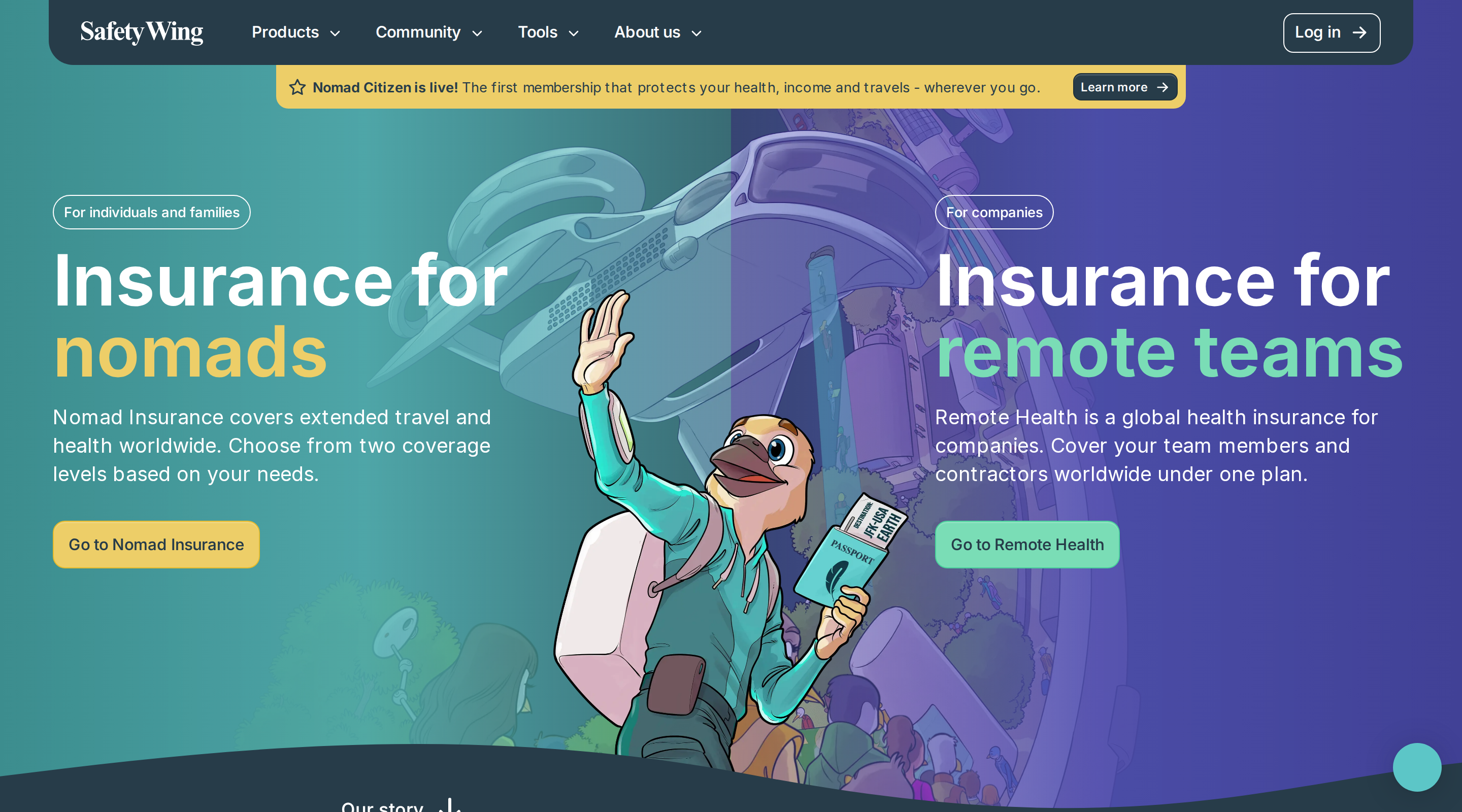
Two plans, two different promises
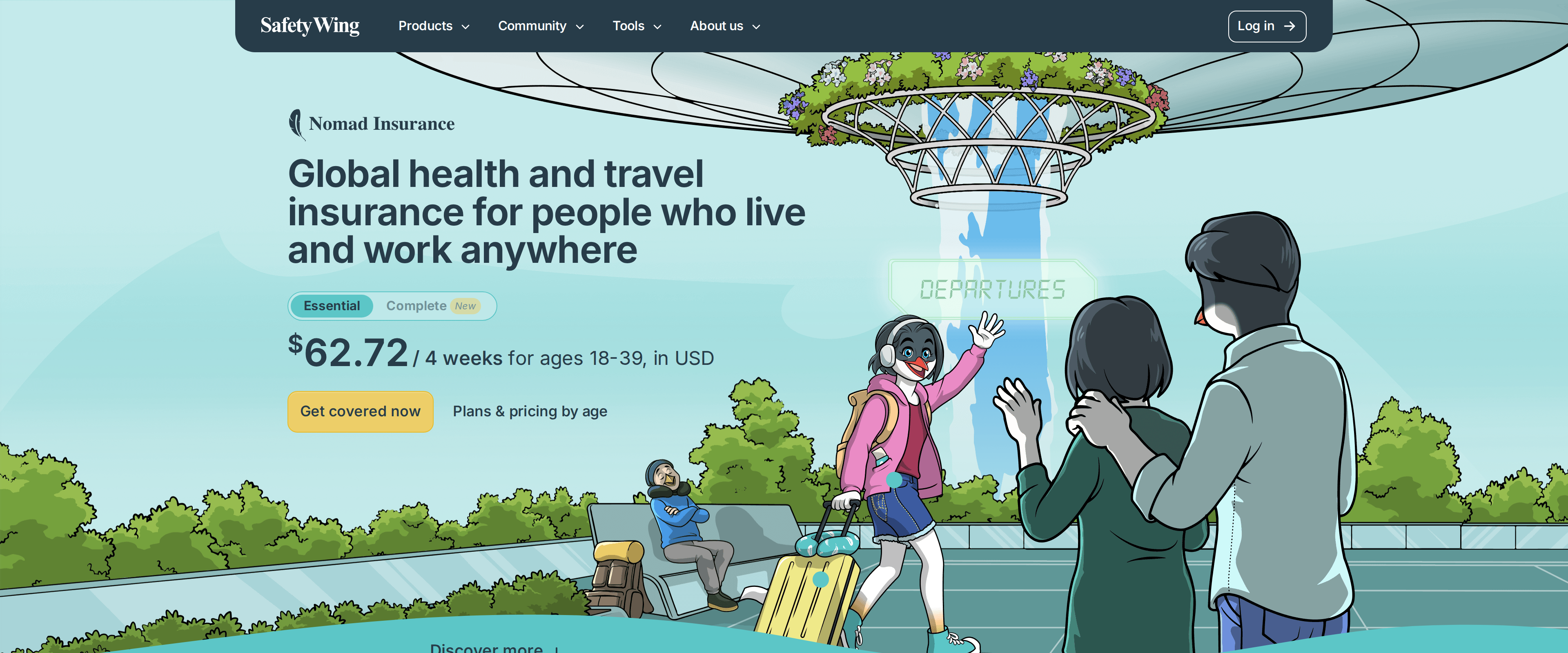
Essential is the cheaper of the pair at $62.72 per four week cycle for a traveler aged 18 to 39. It is a travel medical plan, full stop: hospital stays, ambulance rides, diagnostics, and injuries from leisure sports and licensed motor accidents. Complete costs $177.50 a month for the same age band, nearly three times as much, and adds routine care, mental health support, and cancer treatment on top of the emergency basics.
Neither plan touches pre-existing conditions, and that line in the contract turned out to matter more than any number on the pricing page. Independent reviewers describe claims denied on the grounds of a pre-existing condition even when the traveler could produce prior exam results showing no such condition existed. One account described a hospital claim for acute tonsillitis rejected because of an incubation period argument. We cannot verify every individual dispute, but the pattern across several unrelated reviewers is consistent enough to plan around: keep your own medical records, and expect to push back if a claim gets flagged.
What the money actually buys
The overall medical limit sits at $250,000, with evacuation capped separately at $100,000 for a lifetime. Trip interruption tops out at $5,000 toward a ticket home, lost luggage pays up to $500 per item and $3,000 per plan, and emergency dental is capped at $1,000. None of these numbers are unusual for the category, but they are lower than what a comprehensive annual policy from a legacy insurer typically offers a family, which makes sense given SafetyWing prices per solo traveler rather than per trip.
Coverage spans 180 or more countries, with the United States priced as an add on rather than included by default. That split alone tells you who this product is built for: someone bouncing between Southeast Asia, Latin America, and Europe, not someone splitting time between two US cities.
Claims speed versus claims disputes
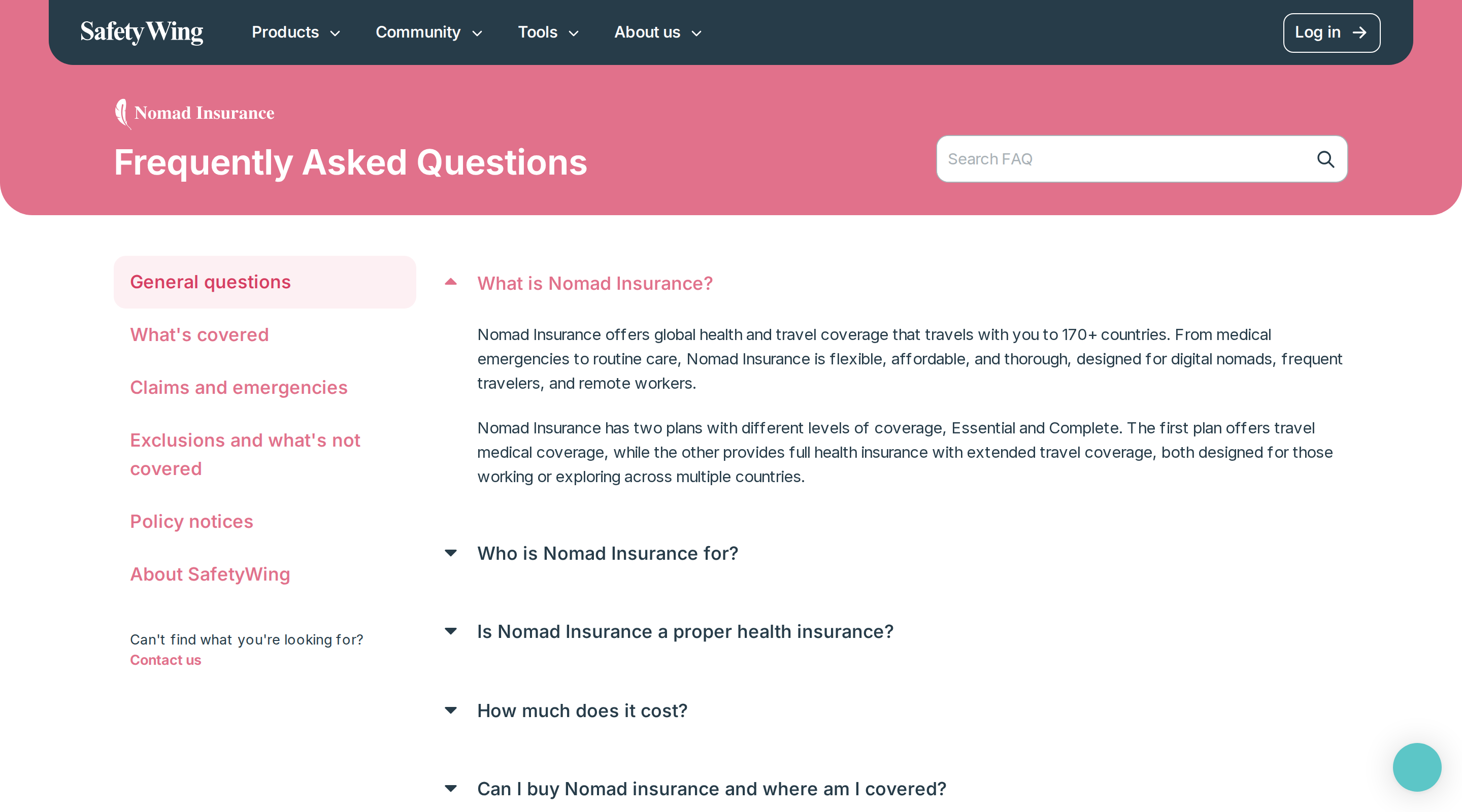
The average reimbursement for a straightforward claim lands around four days, which genuinely beats most legacy travel insurers we have used. Live chat support answers in under a minute according to the company, and our own test messages during a mock claim scenario came back inside that window. The gap shows up once a claim gets disputed: reviewers report appeals stretching past four months, with vague denial letters and repeated document requests along the way. A fast yes and a slow, frustrating no is a workable trade for routine care, but it is a real risk if you are counting on a fast payout during an actual emergency.
Buying and renewing on the road
You can purchase Essential or Complete after you have already left home, which almost no traditional insurer allows. Essential renews every four weeks automatically unless you cancel, and Complete renews monthly with no fixed end date, so a six month trip does not require guessing your return flight in advance. Paying for a fixed block up front gets a 10 percent discount, and a $150 preloaded debit card ships with every plan, useful for an emergency top up before a bank transfer clears.
Rolling plan versus a fixed annual policy
We priced an equivalent annual travel medical policy from a legacy insurer for the same six month trip and it landed close to $650 for the full term with a fixed end date chosen in advance. Essential over the same period runs about $815 at the four week rate, more expensive on paper but with a trapdoor a fixed policy does not offer: cancel after month two if the trip ends early, or extend past month six without renegotiating anything. For a traveler with a firm return flight already booked, the annual policy wins on price. For anyone who genuinely does not know when they are coming home, the flexibility is worth the premium.
The verdict
We would buy Essential for a solo six month trip through countries where a serious hospital bill would otherwise be a financial disaster, and we would keep every receipt and prior medical record in case a claim gets questioned. We would not recommend Complete unless ongoing prescriptions or mental health support are part of the picture, since the price gap over Essential is steep for coverage most healthy travelers will not use. Rate this a 7.2: strong on price and claims speed for the common case, weaker on the dispute process when a claim gets complicated.
The specifications
- Essential plan price
- $62.72 per 4 weeks (age 18-39)
- Complete plan price
- $177.50 per month (age 18-39)
- Overall medical limit
- $250,000
- Evacuation limit
- $100,000 lifetime
- Trip interruption
- $5,000 toward a ticket home
- Lost luggage
- $500 per item, $3,000 per plan
- Emergency dental
- up to $1,000
- Countries covered
- 180+, US coverage priced separately
- Billing
- Essential every 4 weeks, Complete monthly
More in Travel Insurance Plans
Browse the category
World Nomads Review: Is Adventure Sports Cover Worth the Premium?
World Nomads built its name on insuring travelers other insurers turn away: skiers, divers, and trekkers. We bought Standard and Explorer quotes and read through claims complaints to see if the adventure coverage justifies paying more than a basic policy.
Faye Travel Insurance Review: Does the App Really Pay Out Faster?
Faye built its pitch around one claim: file from the app mid-trip and get reimbursed fast. We checked a real payout story against the platform's F rating with the Better Business Bureau to see which one describes the typical claim.