Plum Guide Review: Does the Vetting Justify the Premium?
Plum Guide's vetting is not marketing fluff: rejecting 97 percent of applicant homes against a 500-point checklist produces a shorter list of properties that photograph accurately and function the way the listing claims, a gap that still trips up Airbnb regularly. The premium over Airbnb is real, and so is the smaller inventory, just over 30,000 homes against millions. We would book Plum Guide for a trip where a bad surprise would actually ruin it, and skip it for a short, low-stakes stay where Airbnb's larger selection matters more than certainty.

What works
- The Plum Test screens against 150 criteria and 500 data points, checked in person by a Home Critic before a listing goes live
- Only about 3 percent of applicant homes pass vetting, cutting out the inconsistency that comes with Airbnb's open listing model
- The Plum Promise rebooks you into a home up to 20 percent pricier at no extra cost if a host cancels, rising to 50 percent inside 5 days of check-in
- 24/7 customer care is staffed directly by Plum Guide rather than routed through the individual host
What does not
- Nightly rates run consistently above comparable Airbnb listings in the same neighborhood, a premium that only pays off if the vetting matters to you
- The catalog covers 40-plus destinations and about 30,000 homes, a fraction of what Airbnb or Vrbo list in the same cities
- Host-cancellation complaints still appear on Trustpilot despite the Plum Promise, including cases with little advance notice
- There is no dedicated mobile app, so booking on a phone means using the mobile website
Every vacation rental platform promises quality control. Plum Guide is the one that publishes a rejection rate: 97 percent of homes that apply to list never make it onto the site. We wanted to know what that other 3 percent actually gets checked for, and whether the certainty is worth paying more than an equivalent Airbnb in the same postcode.
Plum Guide was built specifically to solve the problem that anyone who has scrolled Airbnb for an hour already knows: a five-star average can still hide a listing where the photos flatter a cramped kitchen, or a host who takes a day to answer a question about check-in. The company's answer is to put a human inspector in every home before it ever gets listed, rather than trusting guest reviews to catch problems after the fact.
What the 500-point test actually looks at
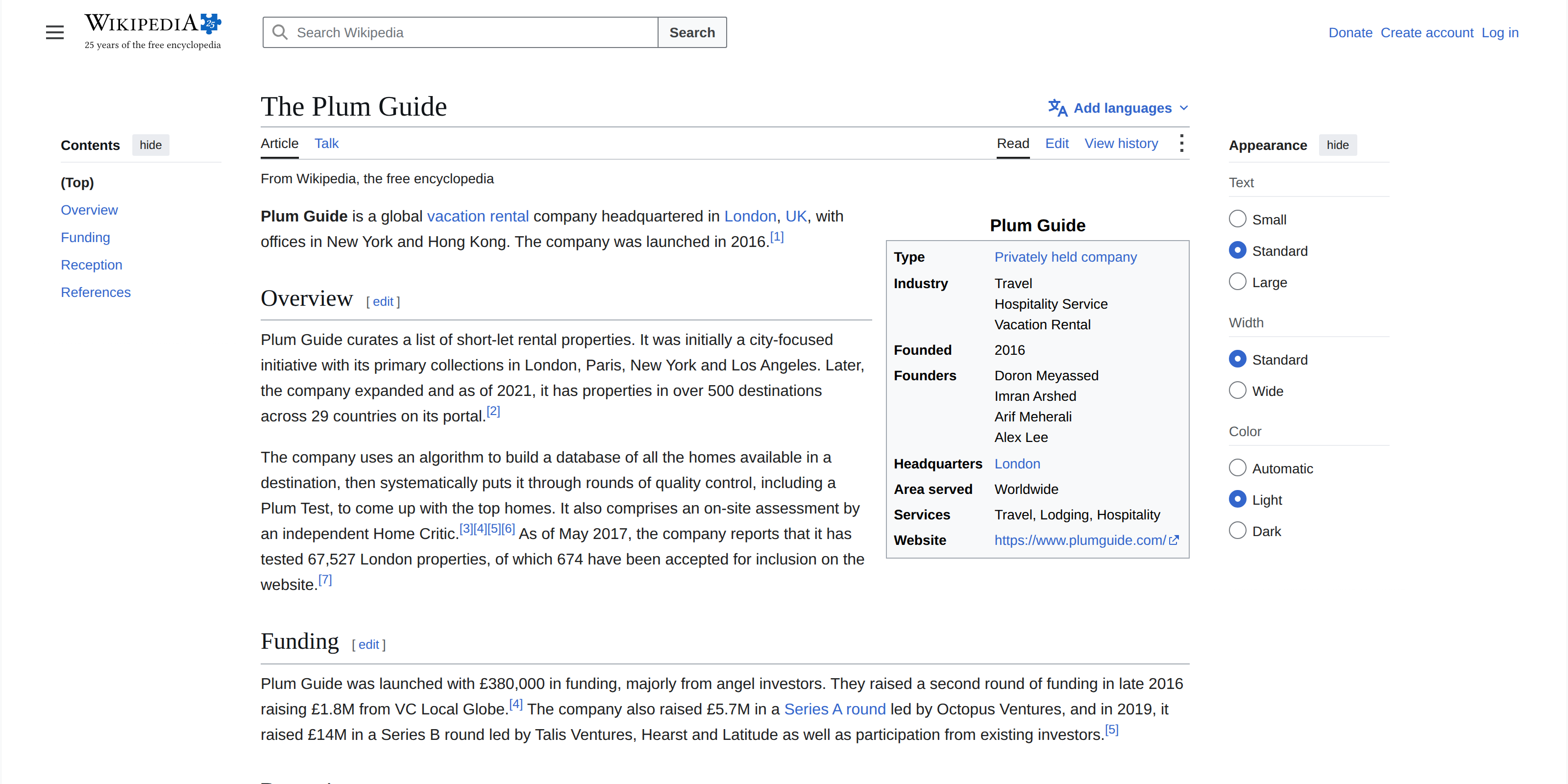
Plum Guide calls its vetting process the Plum Test, and the number behind it is specific: 150 criteria spread across 500 data points, checked by a Home Critic who visits the property in person rather than relying on the host's own photos and description. The checklist runs from measurable things, water pressure, WiFi speed, mattress quality, to judgment calls about design, layout and how responsive the host has been historically. That combination matters more than either half alone. A beautiful apartment with a host who takes two days to answer a message about a broken lock is exactly the kind of listing Airbnb's rating system tends to miss until after a bad stay, and exactly what Plum Guide says it screens out before the home ever goes live.

A smaller list, and it shows in the names
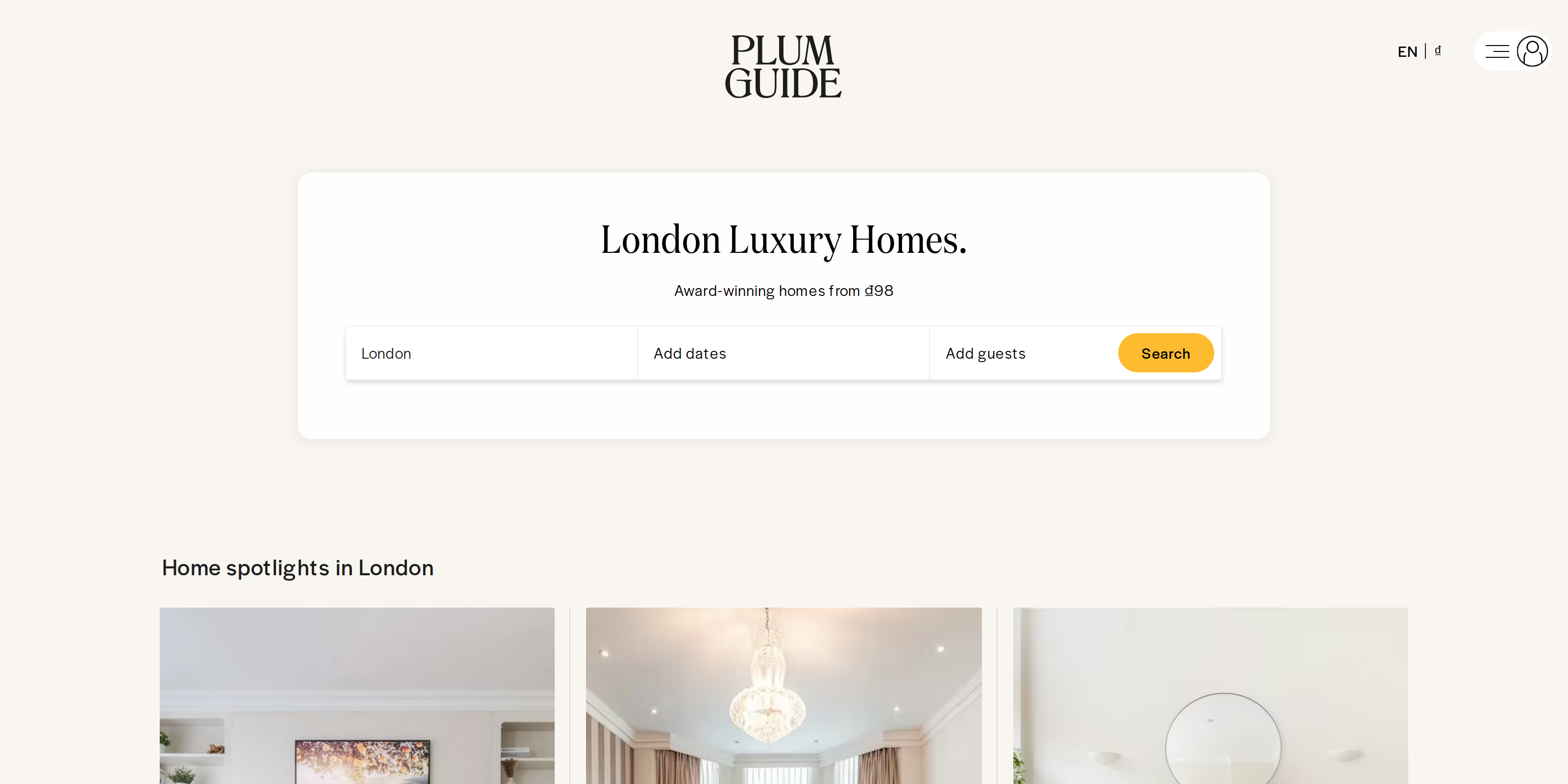
Browsing Plum Guide's London homes turned up listings named things like Chocolate Ganache and Knightsbridge Haven rather than a street address and a room count, a deliberate choice that signals curation over volume. That is also the honest limit of the platform: roughly 30,000 homes across 40-plus destinations is a fraction of what Airbnb or Vrbo carry in the same cities. If your trip depends on a specific neighborhood or an unusual group size, Plum Guide's shorter list may simply not have an option, where Airbnb almost certainly will.
The price difference is real, and so is what it buys
An independent traveler who booked a Porto apartment through Plum Guide paid more than a comparable Airbnb listing, then reported that the extra cost matched what arrived: photography that lined up with the real apartment, premium toiletries and a host who gave specific local recommendations rather than a form-letter welcome message. That is the pattern across independent accounts we read: Plum Guide costs more, and the properties that pass its filter tend to deliver on what the listing promises rather than falling short of it the way an unvetted Airbnb sometimes does.
The Plum Promise, and where it still cracks
If a host cancels after you have booked, Plum Guide commits to rebooking you into a home up to 20 percent more expensive at no extra charge, a figure that rises to 50 percent if the cancellation lands within 5 days of check-in. That is a stronger guarantee than most rental platforms offer. It is not airtight: Trustpilot reviews, which put Plum Guide at 4.1 out of 5 from more than 4,100 ratings, still include accounts of host cancellations with little warning and of guests arriving without clear instructions on how to get into the property. A vetting process that screens hosts before listing does not fully prevent a host from behaving badly after the booking is confirmed.
Who this is actually for
Plum Guide makes the most sense for a trip where a disappointing rental would genuinely ruin it: an anniversary, a family reunion, a stay long enough that a broken shower or a slow host response would cost real time. For a two-night stopover where price matters more than certainty, the extra cost is harder to justify, and Airbnb's much larger catalog gives you more shot at finding the exact location and price you want.
There is a middle case worth naming: a group splitting a large villa for a week, where the per-person cost of the premium shrinks and the cost of a bad surprise multiplies across everyone booked into it. That is where we would reach for Plum Guide first, ahead of even a well-reviewed Airbnb Plus listing, because the in-person inspection covers exactly the failure points a group trip cannot absorb, a kitchen that does not actually work, bedrooms that do not match the layout in the photos, a host who goes quiet the day before arrival. We would use Plum Guide again for the trips that matter and stick with Airbnb for the ones that do not.
The specifications
- Vetting criteria
- 150 criteria across 500 data points (the Plum Test)
- Acceptance rate
- About 3% of applicant homes
- Destinations
- 40+ cities and regions
- Listed homes
- Over 30,000
- Trustpilot rating
- 4.1 out of 5 from more than 4,100 reviews
- Host-cancellation protection
- Rebooking up to 20% pricier (up to 50% inside 5 days of check-in)
- Customer support
- 24/7, staffed by Plum Guide directly
- Mobile app
- None; mobile website only
- Booking fee
- Included in the listed nightly price
More in Vacation Rental Platforms
Browse the category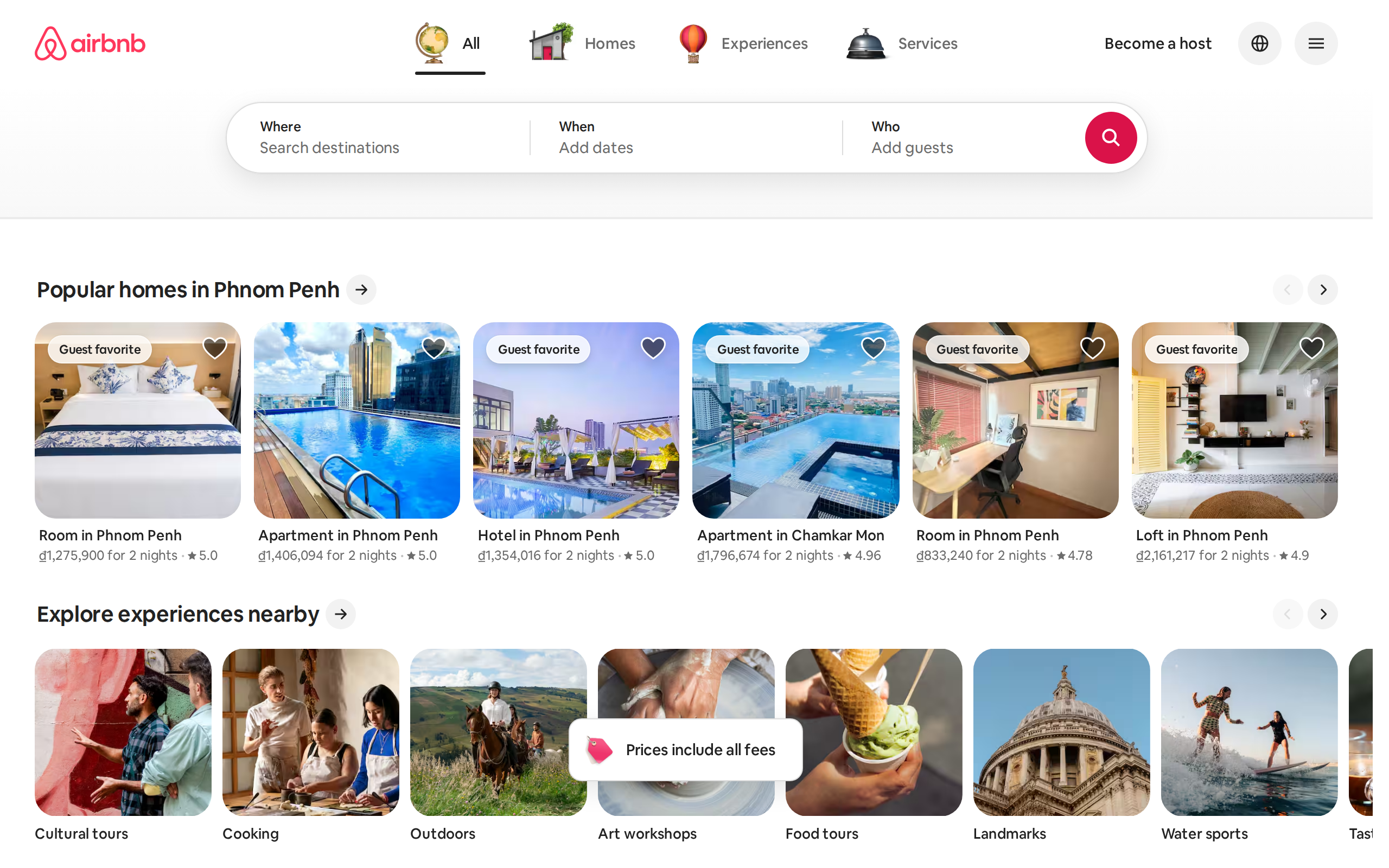
Airbnb Review: Do the Fees Still Beat a Hotel for a Week?
Airbnb's cleaning fee and service charge sting on a two-night trip. We priced a week-long stay against two hotel rooms to see where the math actually flips in Airbnb's favor.
Vrbo Review: Is the Whole Home Guarantee Worth It for Families?
We read Vrbo's Book with Confidence guarantee against its actual cancellation policy, compared its whole-home-only listings to Airbnb's mixed shared room inventory, and checked what a family gets if a host cancels close to a trip.