Osprey Farpoint 40 Review: Still the Safe One-Bag Pick?
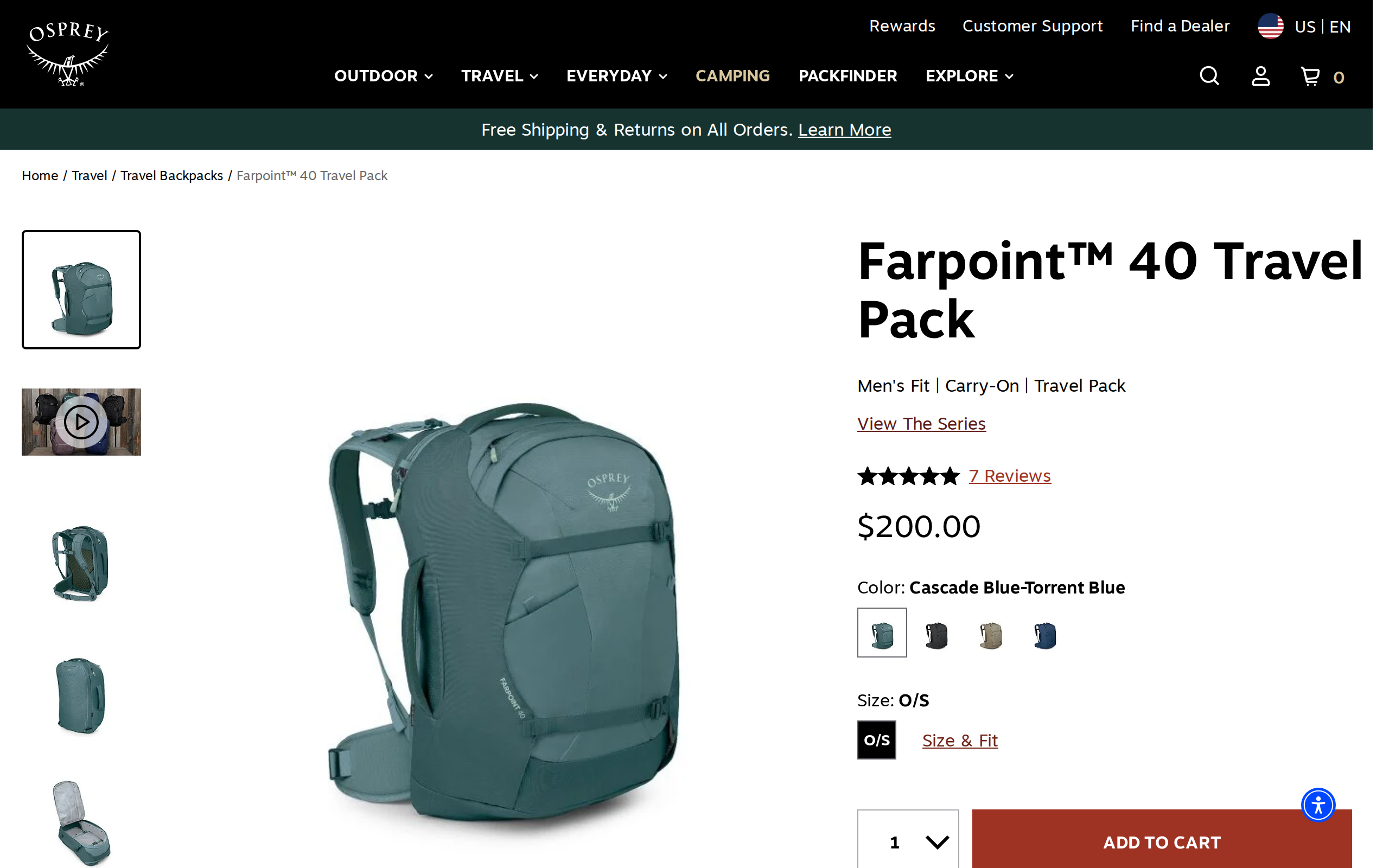
The Farpoint 40 has not aged out of its reputation. The harness is more comfortable than almost anything near its price, the guarantee removes buying anxiety entirely, and the clamshell opening still beats top-loading for hostel and hotel packing. It loses ground on internal organization, where a $250 Tortuga or a $200 Aer pulls ahead, but we would still buy this one again for anyone who packs light and hates being sold extras they will not use.
What works
- AirScape mesh backpanel stays comfortable on a full day of walking with the pack loaded
- Full clamshell opening makes packing and unpacking faster than a top-loading bag
- Stowable harness and hip belt let it pass as check-in luggage when needed
- All Mighty Guarantee repairs or replaces the pack for any functional defect, no receipt required
What does not
- No internal dividers or pockets beyond the main compartment, so packing cubes are close to mandatory
- Hip belt does not remove, adding bulk for travelers who never use it
- Front laptop sleeve is thin and unpadded, weak protection on rough transit days
- No dedicated water bottle pocket, unlike most newer competitors at this price
The Osprey Farpoint 40 became the default one-bag recommendation years before most of today's competitors existed, and defaults age poorly in gear. Newer packs from Tortuga, Aer, and Thule have spent that time adding organization, weatherproofing, and sharper looks. We packed the Farpoint for three trips against that backdrop, asking a simple question: does it still deserve the top spot, or is it coasting on reputation?
The harness still wins arguments
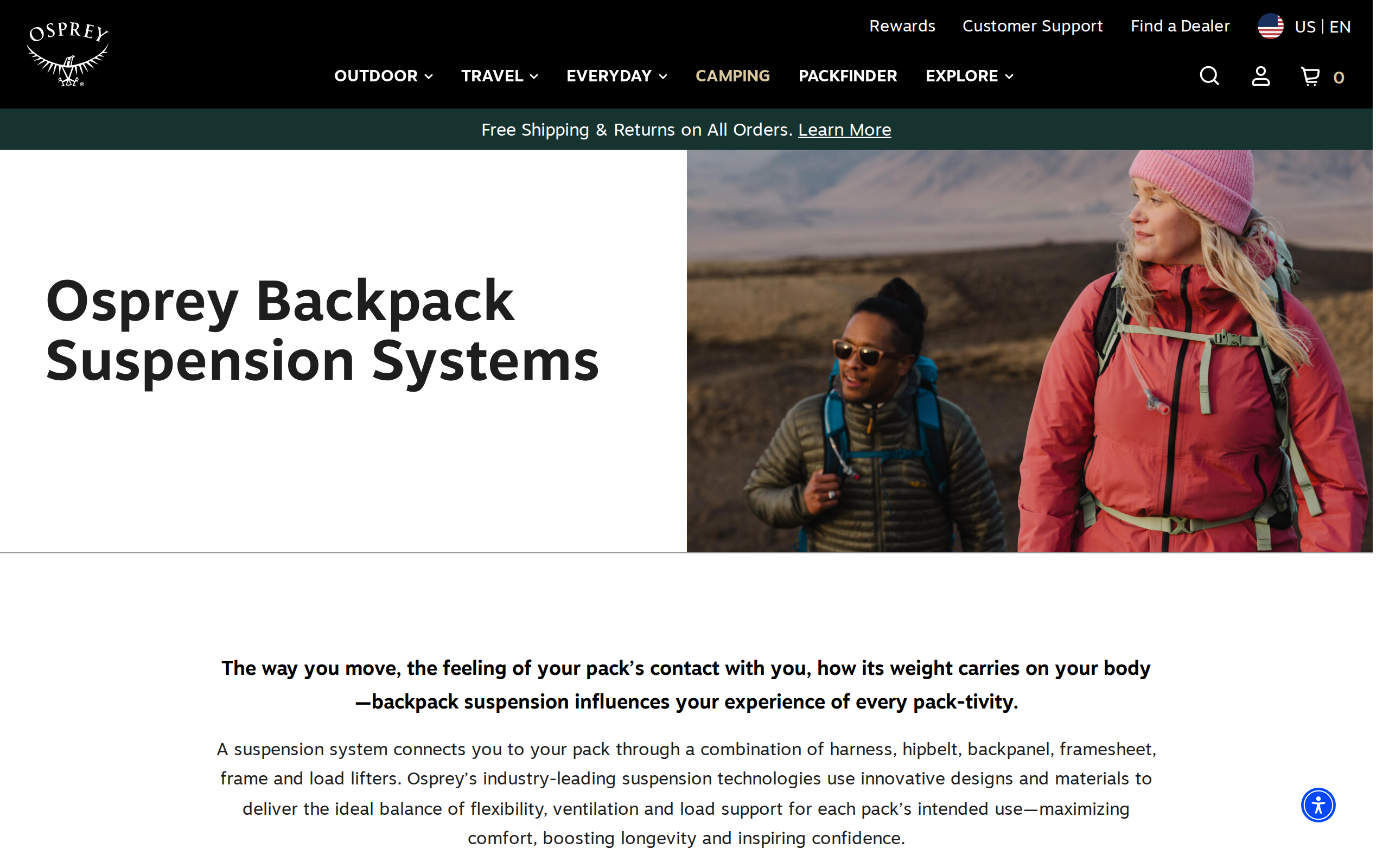
Osprey built its name on backpacking suspension systems, and the Farpoint 40 carries that engineering down into a travel bag most people will never take off pavement. The AirScape backpanel uses a mesh-covered, ridged foam structure that keeps the pack's weight close to the body while still letting air move against your back, and it shows on a long travel day.
We wore it fully loaded through two airport transfers and a 25 minute walk to a hostel with no shuttle, and the padded hip belt did the work a laptop bag or a duffel simply cannot. That hip belt does not detach, though, which means travelers who never sling it over a shoulder are carrying extra bulk they will not use. It is a fair trade for the comfort, not a free one.
Packing is fast, organizing is not
The whole front panel unzips into a true clamshell, which turns packing into laying items flat instead of stuffing them down a top-loading shaft. Fishing a charging cable out of the bottom of the bag at 11pm in a hostel is exactly the kind of friction this design removes.
Where it falls behind newer packs is inside that main compartment: there are no dividers, no dedicated shoe pocket, and no water bottle sleeve. Packing cubes are close to required if you want any structure at all, and a $250 Tortuga or a similarly priced Aer Travel Pack 3 both ship with built-in organization the Farpoint asks you to buy separately. The front laptop sleeve does not help the case either; it holds a 16 inch laptop but the padding is thin enough that we would not trust it in a bag getting tossed around a baggage cart.
What $200 and a guarantee actually buy
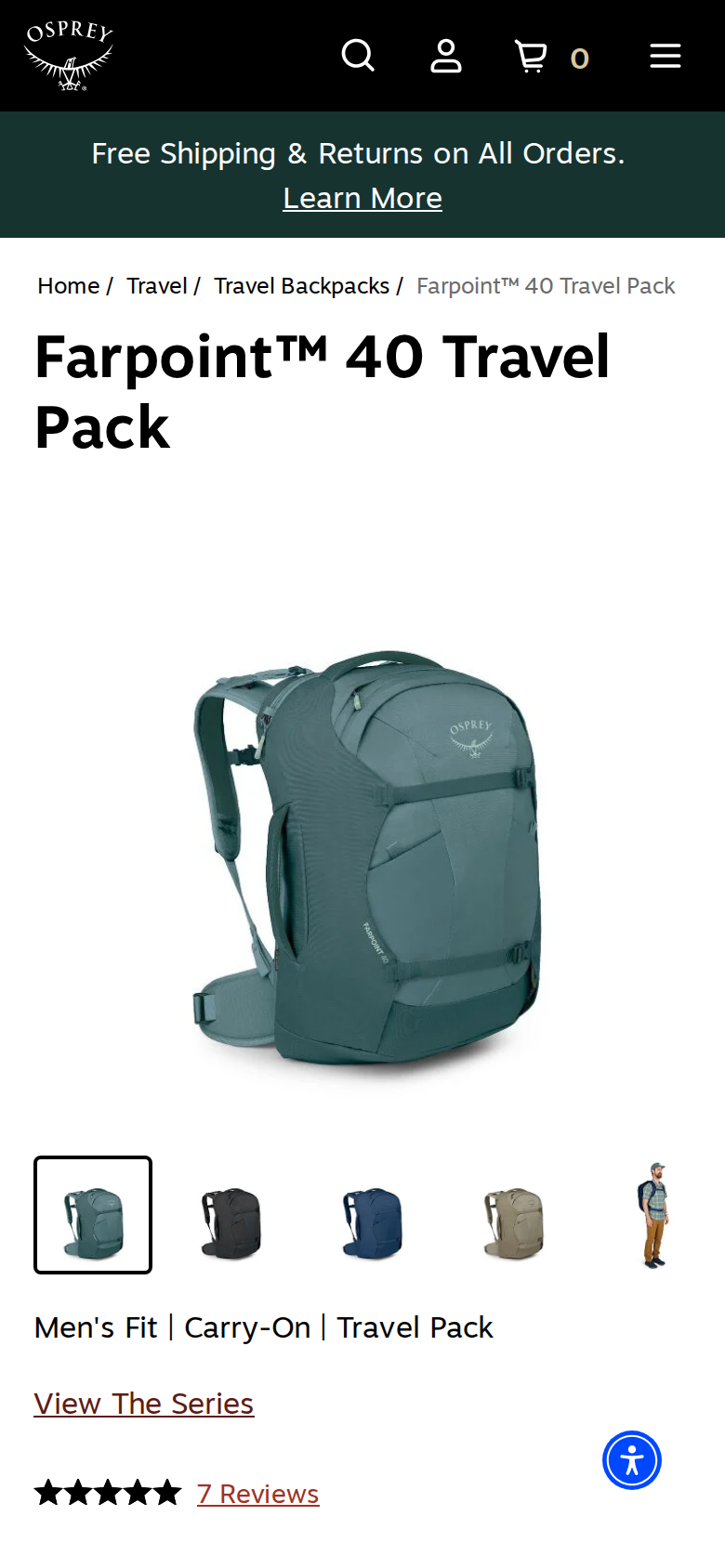
At $200, the Farpoint 40 sits in the middle of its category rather than at the bottom, and Backcountry has listed it as low as $159.95 in past sales, so it is worth checking more than one retailer before paying full price. The number that changes the calculation for us is not the sticker price, though. It is the All Mighty Guarantee.
Osprey repairs or replaces the pack for any functional defect or damage, free, for as long as you own it, no receipt or registration required. It does not cover cosmetic wear or lost items, and current turnaround for a repair runs 6 to 10 weeks, long enough that you would want a backup bag for a repair sent in right before a trip. But a lifetime guarantee on a $200 pack changes how you weigh a scuffed zipper five years from now: it becomes an email to Osprey, not a bag replacement.

Sizing and the airline question
At 21.7 by 13.8 by 9.1 inches and 3.4 pounds empty, the Farpoint 40 fits most carry-on allowances, which sit around 45 linear inches combined. It has passed as a carry-on for us on the large majority of airlines we have flown, budget carriers included, though anyone flying a strict low-cost European airline should measure their specific allowance before assuming any 40 liter bag clears it. Nine reviewers on REI put the pack at 4.1 out of 5, with the same complaints we found: great comfort, thin organization.
A stowaway harness panel zips flat across the back and hides the hip belt and shoulder straps, which matters more than it sounds like the first time gate staff eye a backpacking-style pack as if it might get tagged for the hold. Zipped flat, it reads as luggage rather than hiking gear, and that small detail has saved us an argument at the gate more than once.
The verdict
The Farpoint 40 has not been passed by the newer packs chasing it, but it has not stayed ahead on every axis either. Buy this one for the harness, the clamshell access, and a guarantee that removes the risk of the purchase entirely. Buy a Tortuga or an Aer instead if built-in organization matters more to you than saving on packing cubes. For most one-bag travelers, the Farpoint's mix of comfort and low buying risk still earns the recommendation, a decade in.
The specifications
- Capacity
- 40 liters
- Weight
- 3.4 lb (1.6 kg)
- Dimensions
- 21.7 x 13.8 x 9.1 in (55.1 x 35.1 x 23.1 cm)
- Material
- 210D nylon with YKK zippers
- Laptop sleeve
- Fits up to 16 inches, front-mounted, lightly padded
- Warranty
- All Mighty Guarantee, lifetime repair or replacement
- Carry-on compliance
- Meets most airline carry-on limits at 45 linear inches
- Average retailer rating
- 4.1 out of 5 across 9 REI reviews