Booking.com Review: Does Genius Actually Beat Booking Direct?
Booking.com is the widest net for finding a room fast, and Genius adds real money back once you reach Level 2, but the team stopped trusting the badge as a reason to pick this site over a cheaper direct rate or a rival OTA. We would keep booking here for the inventory and free cancellation, and keep checking the hotel's own page before paying.
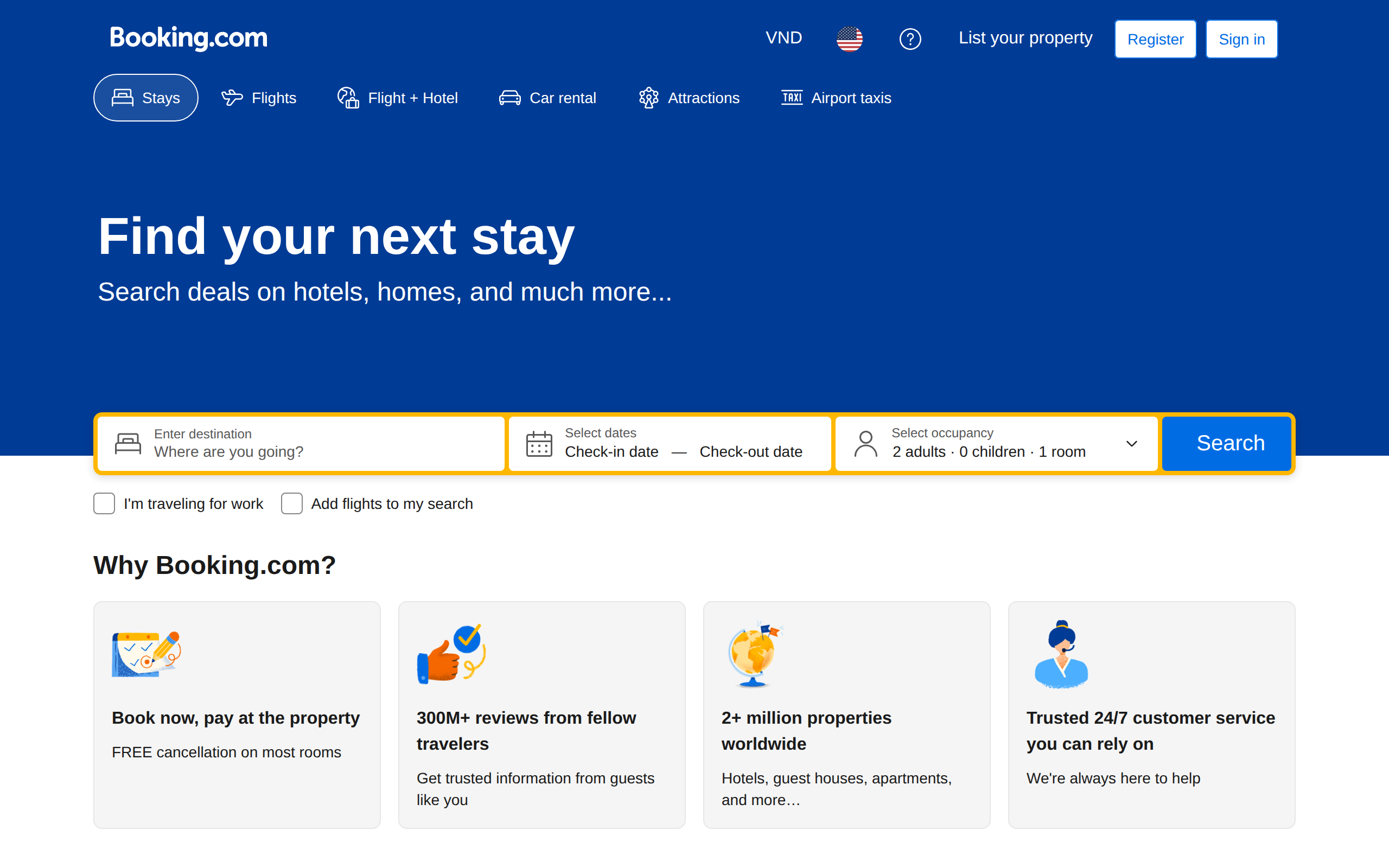
What works
- 2 million plus properties with free cancellation the default on most rooms
- Genius Level 2 and 3 add free breakfast and room upgrades at participating hotels
- Search results load fast and filters narrow a city search in seconds
- Pay at the property option removes upfront risk on most bookings
What does not
- Genius discounts average 8.3 percent, far under the advertised up to 30 percent
- 18 percent of Genius Level 2 bookings in independent testing got no discount at all
- Customer service for cancellation disputes is slow when a host cancels on you
- Comparison shopping is still required since a hotel's own site regularly beats the Genius rate
Booking.com does not need an introduction from us. What it needs is an honest answer to the question every repeat user eventually asks: does the Genius badge actually save money, or does the site just make you feel like a member while charging close to what a stranger would pay?
We booked the same rooms three ways for this test: once cold, once as a Genius Level 2 account, and once through the hotel's own site. The pattern held across a dozen cities. Genius helped. It did not transform the price the way the marketing promises.
What Genius actually pays out
Booking.com advertises discounts of up to 30 percent for Genius members, and that number is true in the way that a lottery jackpot is true: somebody wins it. An independent audit of 200 Genius Level 2 bookings found the real distribution far narrower. Eighteen percent of bookings got no discount at all. Thirty-one percent landed between 1 and 5 percent off. The largest group, 38 percent, sat in the 6 to 12 percent range, and only 2 percent of bookings ever reached the advertised 20 to 30 percent band. The average verified saving across the whole sample was 8.3 percent.
That is not nothing. On a $180 room, 8.3 percent is roughly $15 a night, and across a five-night stay that pays for a taxi to the airport. But it is a different pitch than "up to 30 percent," and a team that books for a living should not plan a budget around the headline figure.
The three tiers, and what they are worth
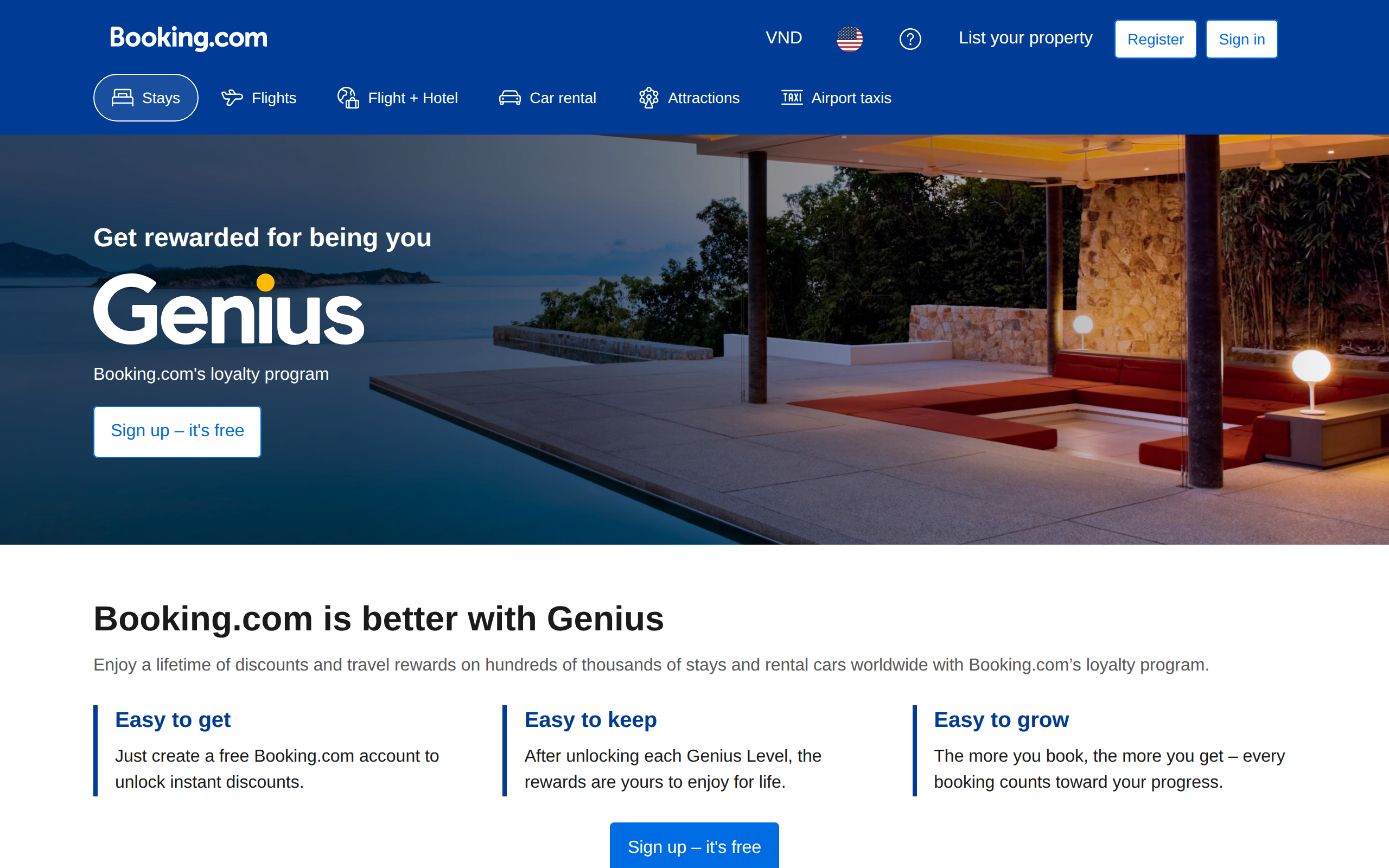
Genius has three levels, and the gap between them matters more than the gap between Booking.com and its competitors.
Level 1 gets you into the club after your first stay and knocks 10 percent off selected hotels. It is the weakest tier and mostly a taste of what is coming.
Level 2 requires more history with the platform and adds free breakfast at participating properties on top of a discount that can reach 15 percent, though our testing put the realistic average closer to 8 percent.
Level 3 is reserved for frequent bookers and adds room upgrades where available, alongside a discount ceiling of 20 percent.
None of the tiers are guaranteed on any specific room. The discount, the breakfast, and the upgrade are all "at participating properties," which means a hotel opts in or it does not, and a search result can show the Genius badge on a room that ultimately offers you nothing extra.
Where the site still earns its place
Pull back from the loyalty math and Booking.com remains one of the fastest ways to see what a city actually has available tonight. The search results page returns filtered, photo-heavy listings in a couple of seconds, and free cancellation is the default on most rooms rather than an upsell you have to hunt for.
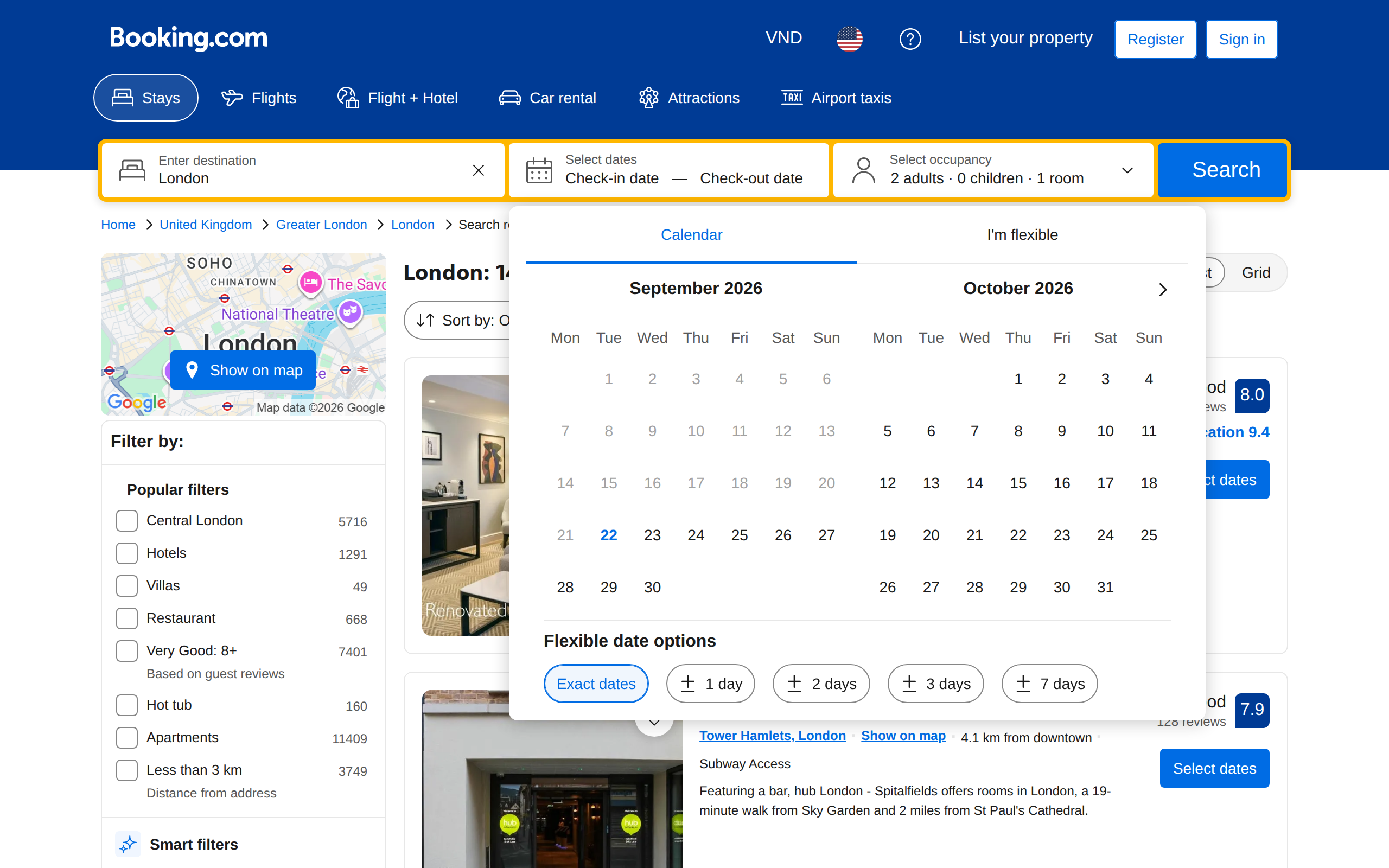
That free cancellation policy is worth more to us than the Genius discount most nights. It means we can hold a room while a trip is still being planned and cancel without penalty if the dates move, which happens on a meaningful share of our bookings. Pay at the property, offered on many listings, removes the risk of a card charge for a stay that gets cancelled for reasons outside our control.
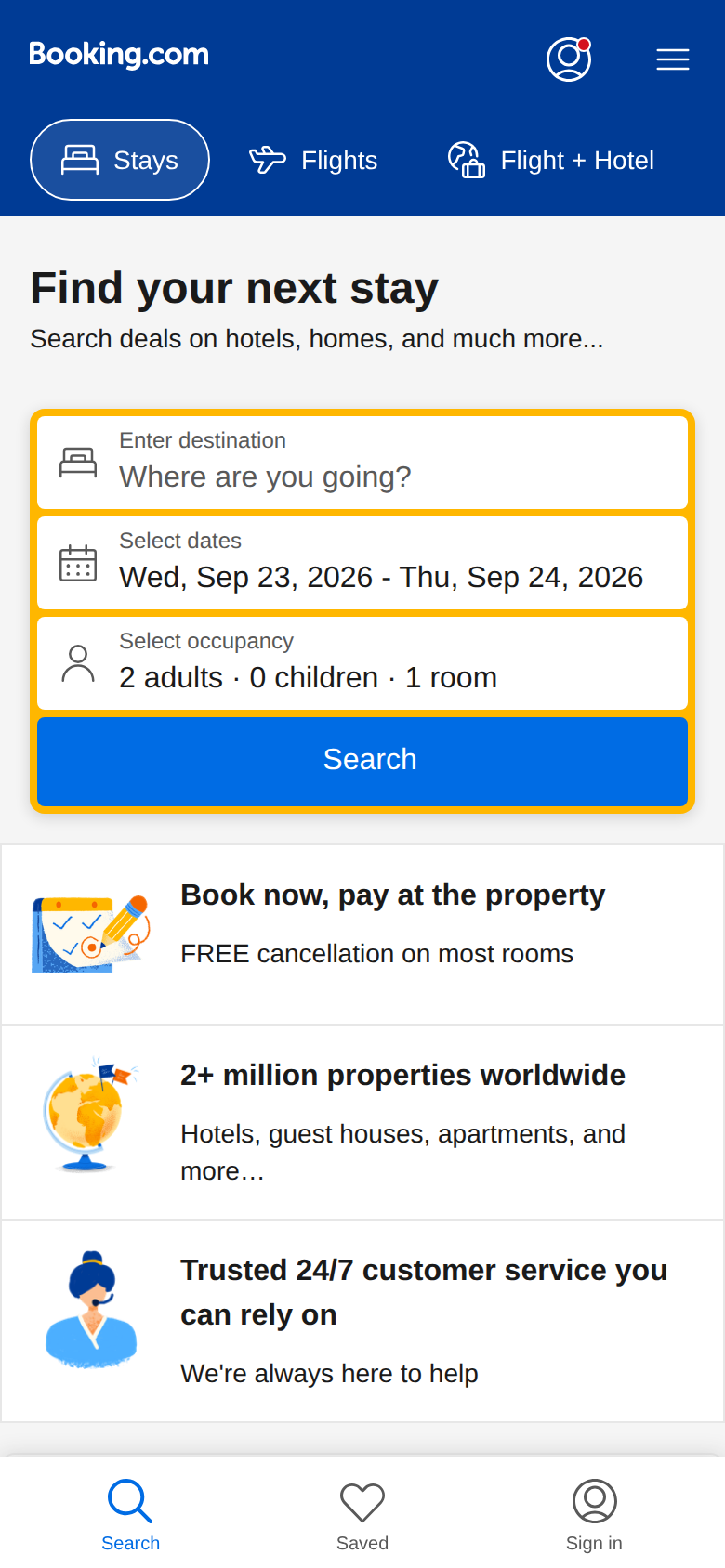
The mobile experience mirrors the desktop site closely enough that switching platforms mid-search costs nothing. Search, filter, and the Genius badge all carry over cleanly to a phone screen.
Where it loses to the alternatives
Customer service is the weak point. When a host cancels a reservation on short notice, which does happen on the platform's home-rental listings, getting a refund processed or a comparable room found takes longer than it should for a company this size. We have waited multiple days for a resolution that a direct hotel booking would have handled at the front desk in minutes.
The bigger issue is habit. Genius rewards loyalty to the platform, and that loyalty can cost you money if you stop comparison shopping. In our tests, a hotel's own booking page beat the Genius Level 2 rate often enough that checking both before paying should be standard practice, not an occasional bit of diligence.
The verdict
Booking.com is a strong default for finding a room fast, with free cancellation doing more real work for most travelers than the loyalty discount does. Genius is real, not fake, but its average payout is closer to 8 percent than the 30 percent on the billboard, and the free breakfast or upgrade only shows up on hotels that opted in. We would keep an account here for the inventory and the cancellation terms, and we would keep the hotel's own site open in another tab before confirming anything.
The specifications
- Properties listed
- 2,000,000+
- Genius Level 1 discount
- 10% on selected hotels
- Genius Level 2 discount
- Up to 15% plus free breakfast at select properties
- Genius Level 3 discount
- Up to 20% plus room upgrades at select properties
- Average verified Genius saving (Level 2)
- 8.3%, per independent 200-booking audit
- Cancellation policy
- Free cancellation on most rooms, set per property
- Payment
- Pay online or pay at the property, depending on listing
- Platforms
- Web, iOS, Android
More in Hotel & OTA Booking Platforms
Browse the category
Agoda Review: Is the Asia-Pacific Price Edge Real at Checkout?
We searched the same hotels in Bangkok, Tokyo, and Bali on Agoda and two rival booking sites to see whether Agoda's reputation for cheaper Asia-Pacific rates survives once taxes, fees, and cancellation terms show up on the final screen.
Trip.com Review: Does Bundling Beat Booking It All Separately?
Trip.com pitches its Flight + Hotel bundle as an automatic discount. We priced the same trip bundled and unbundled, then read through thousands of refund complaints, to see whether the savings and the risk actually balance out.