K-Beauty & J-Beauty
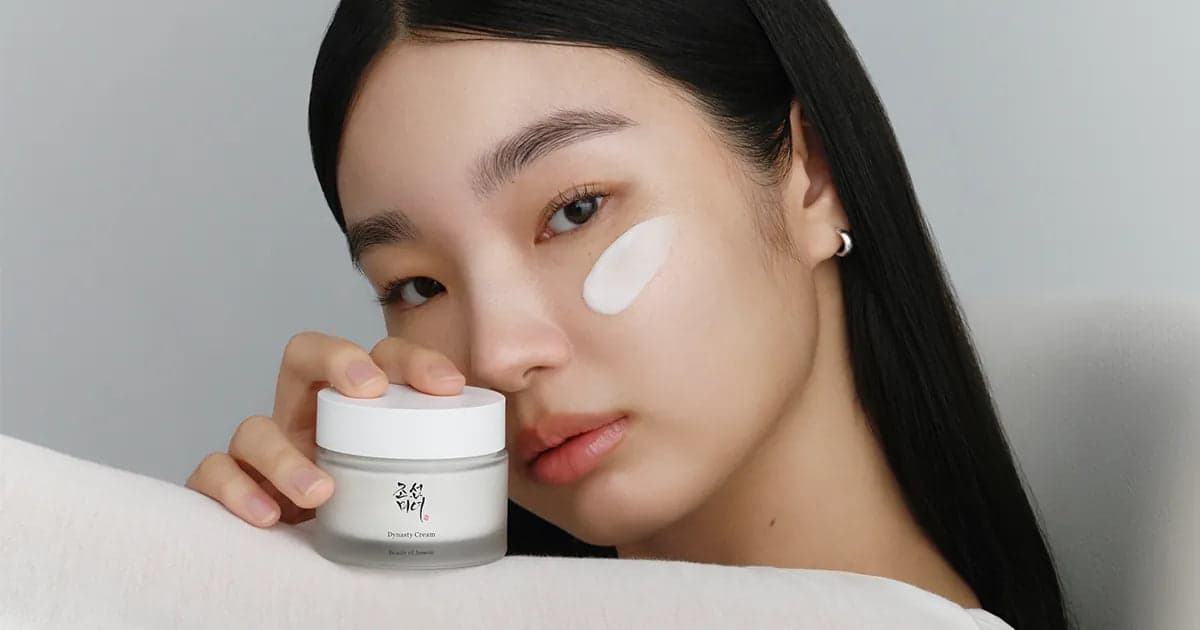
Beauty of Joseon review
Relief Sun is the single best argument for buying Korean sunscreen, and it costs about eighteen dollars. The rest of the range is quietly excellent too.
8.6/10Read
20 reviews match your search.
Relief Sun is the single best argument for buying Korean sunscreen, and it costs about eighteen dollars. The rest of the range is quietly excellent too.
Fenty did not invent inclusive shade ranges; it made them non-negotiable. Eight years on, the question is whether the formulas are as good as the principle.
e.l.f. built a business copying prestige products at a fifth of the price and somewhere in the last few years started making things nobody else had done first.
One product made this brand, and it is so good that it has distorted how everyone judges the rest of the catalogue. The accessibility work in the packaging deserves more attention than the blush does.
Shiseido has been doing cosmetic science since 1872 and it shows in the places that matter: sunscreen, emulsions, and a foundation range built by people who understand skin.
Tower 28 was founded by someone with eczema and built its whole range around not triggering it. That constraint produced better makeup than most brands manage without it.
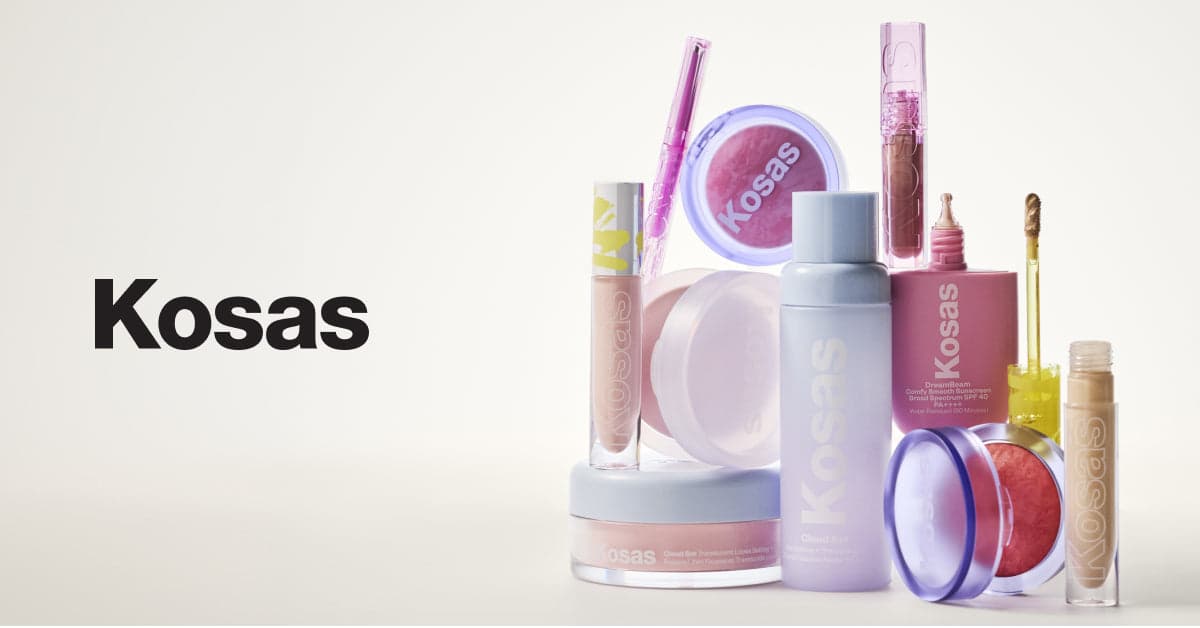
Revealer Concealer is one of the best concealers made and it happens to contain caffeine, peptides and hyaluronic acid. That combination is harder than it sounds.
NYX has been quietly making professional-quality makeup at supermarket prices for twenty-five years, and the liner and gloss ranges beat things costing four times as much.
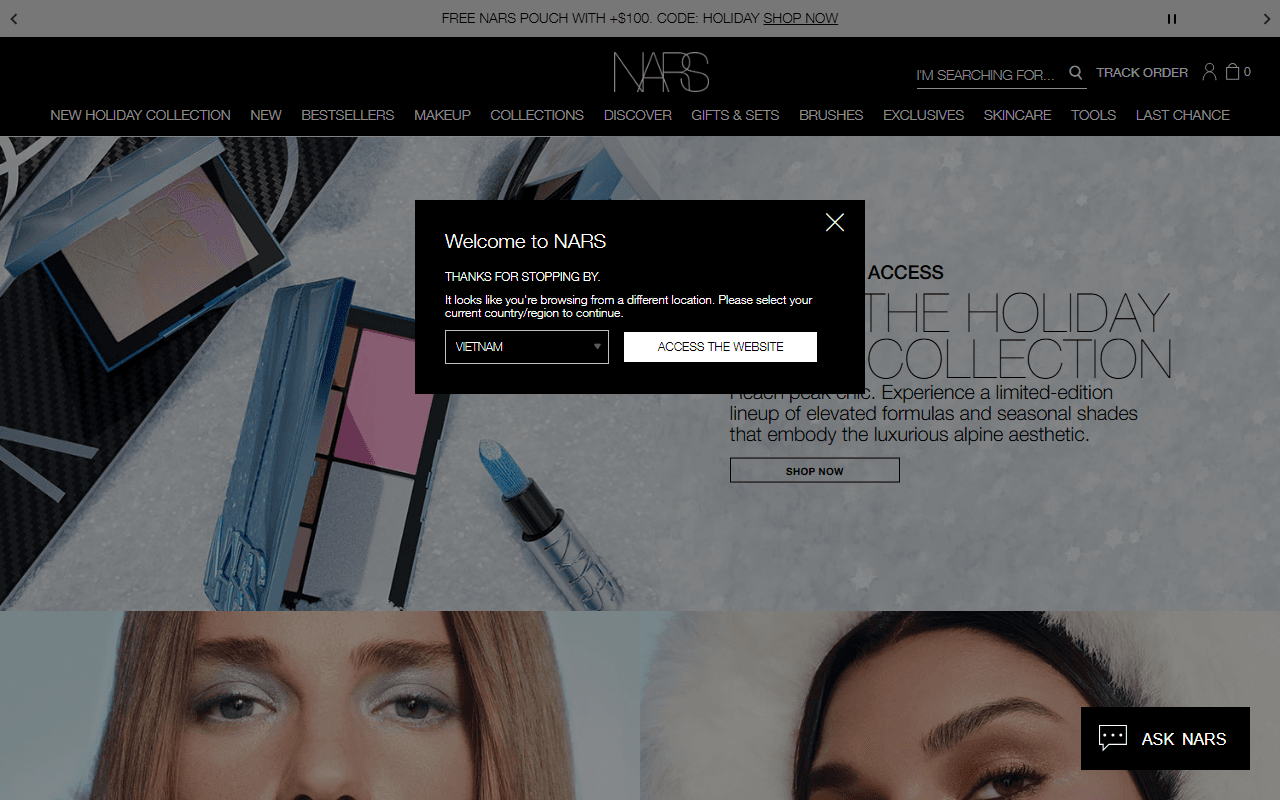
NARS has been making the best blush in the industry since 1994 and has never quite been given credit for how good the rest of its pigment work is.
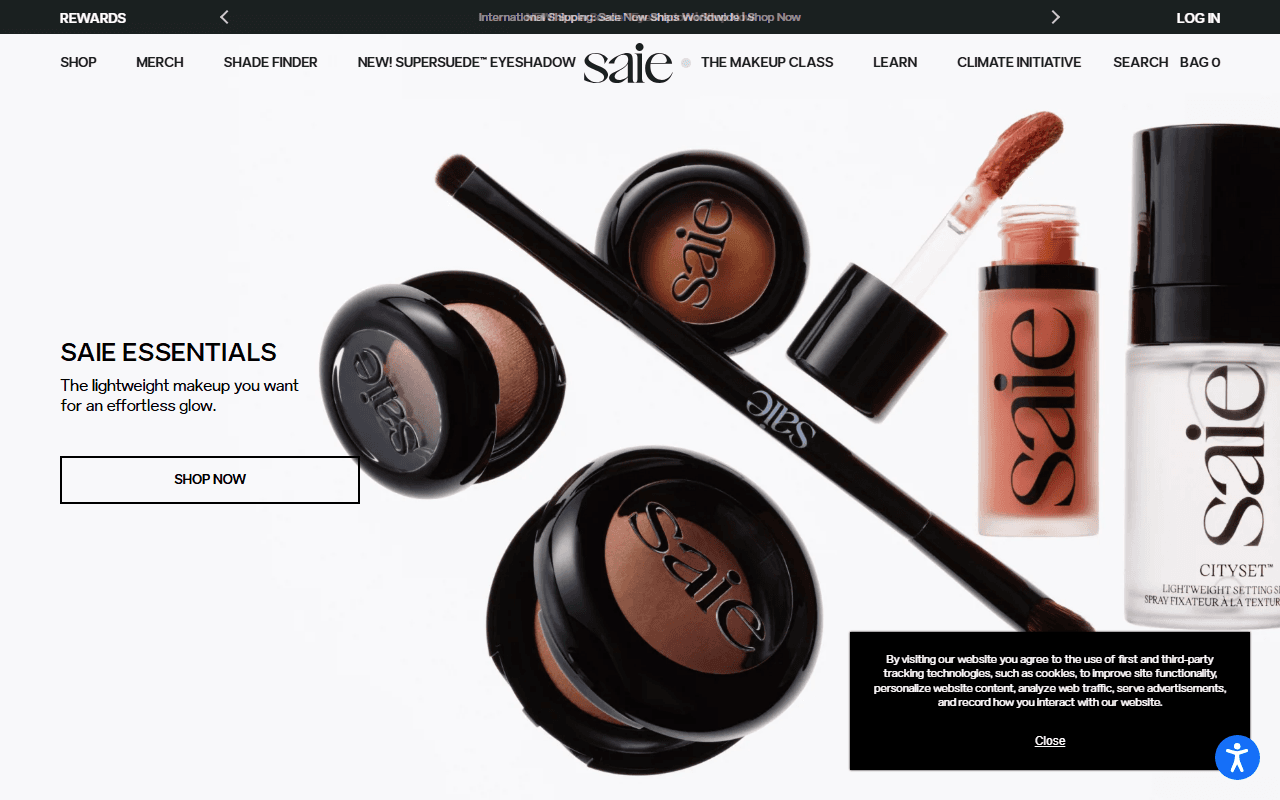
Saie makes a very specific kind of complexion — wet, lit-from-within, barely there — and it does it better than the much larger brands chasing the same look.
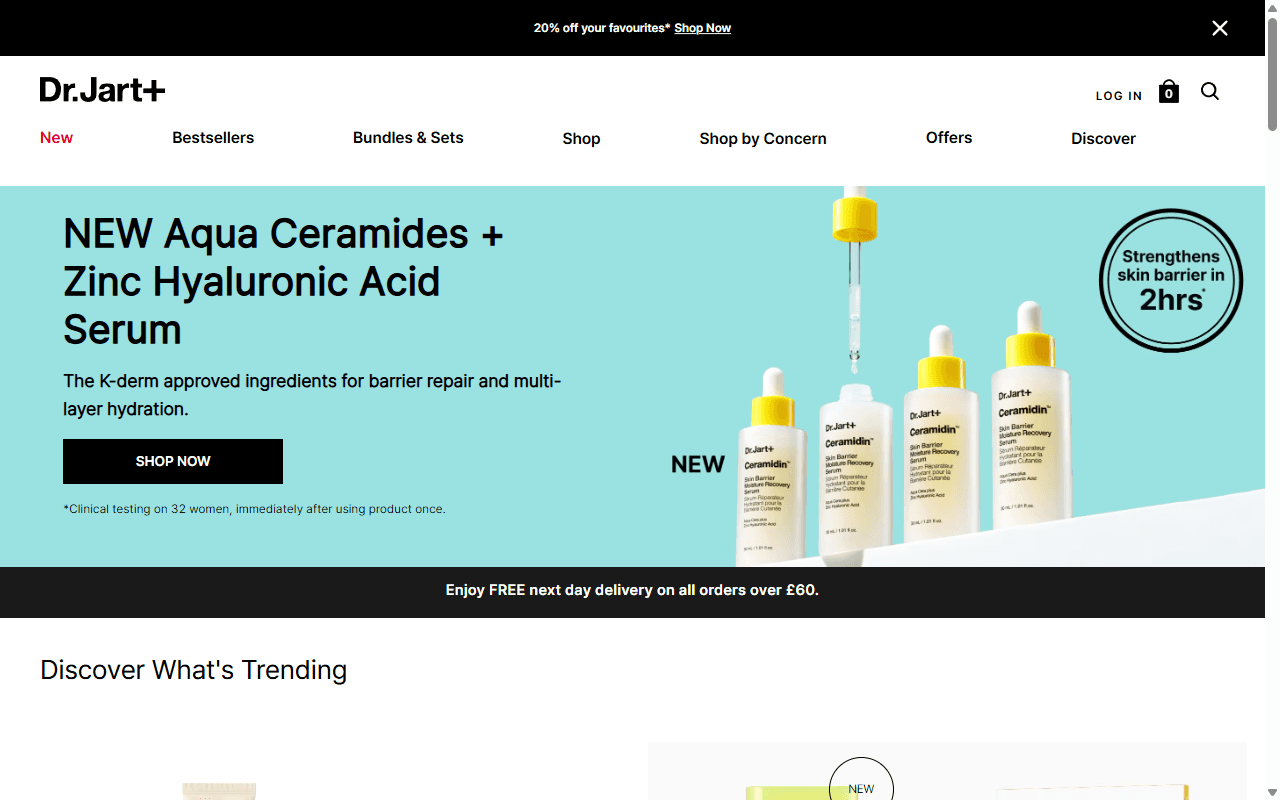
Dr.Jart+ introduced the West to BB cream and then quietly became a serious barrier-repair brand. Cicapair is a strange product that works better than it has any right to.
MAC built the shade ranges everyone else copied, then spent a decade being out-innovated by brands it taught. The lipsticks are still the best-organised range in the industry.
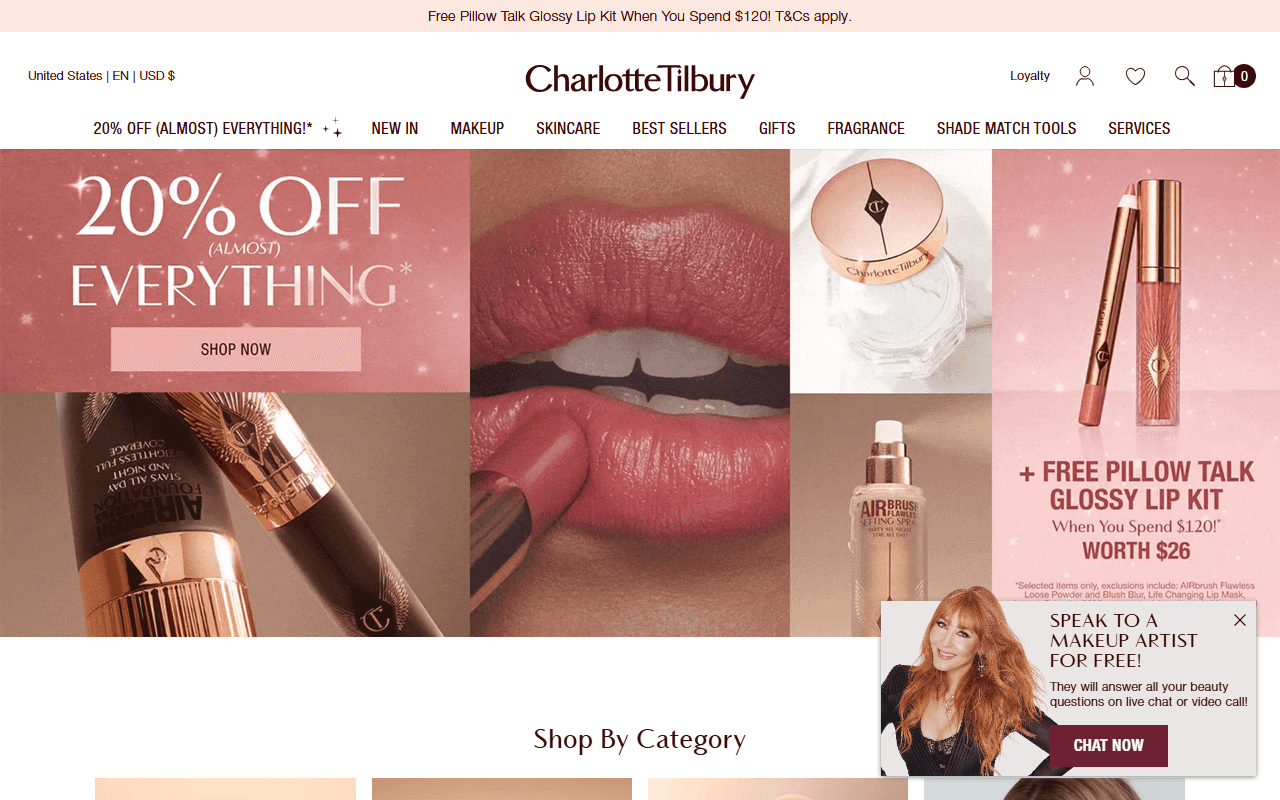
Charlotte Tilbury sells the feeling of being made up by a professional, and three or four of its products genuinely deliver it. The skincare is where the spell breaks.
Dior Beauty contains two brands: a professional makeup house doing genuinely excellent work, and a marketing operation selling the most ubiquitous fragrance on earth.
ABH knows more about eyebrows than anyone in the industry and keeps trying to be a full-range colour house instead. The brow products are worth the money; most of the rest is not.
Two products keep Urban Decay on shelves: a setting spray and a discontinued palette people still mourn. The eyeshadow formula is as good as it ever was, and the brand has forgotten what to do with it.
Sisley is the quiet one among the French luxury houses: family-owned, botanically obsessive, and expensive in a way that generates far less argument than La Mer does.
Tom Ford Beauty is a fragrance house with a makeup range attached. The Private Blends are genuinely good and genuinely overpriced, and the lipsticks are better than anyone admits.
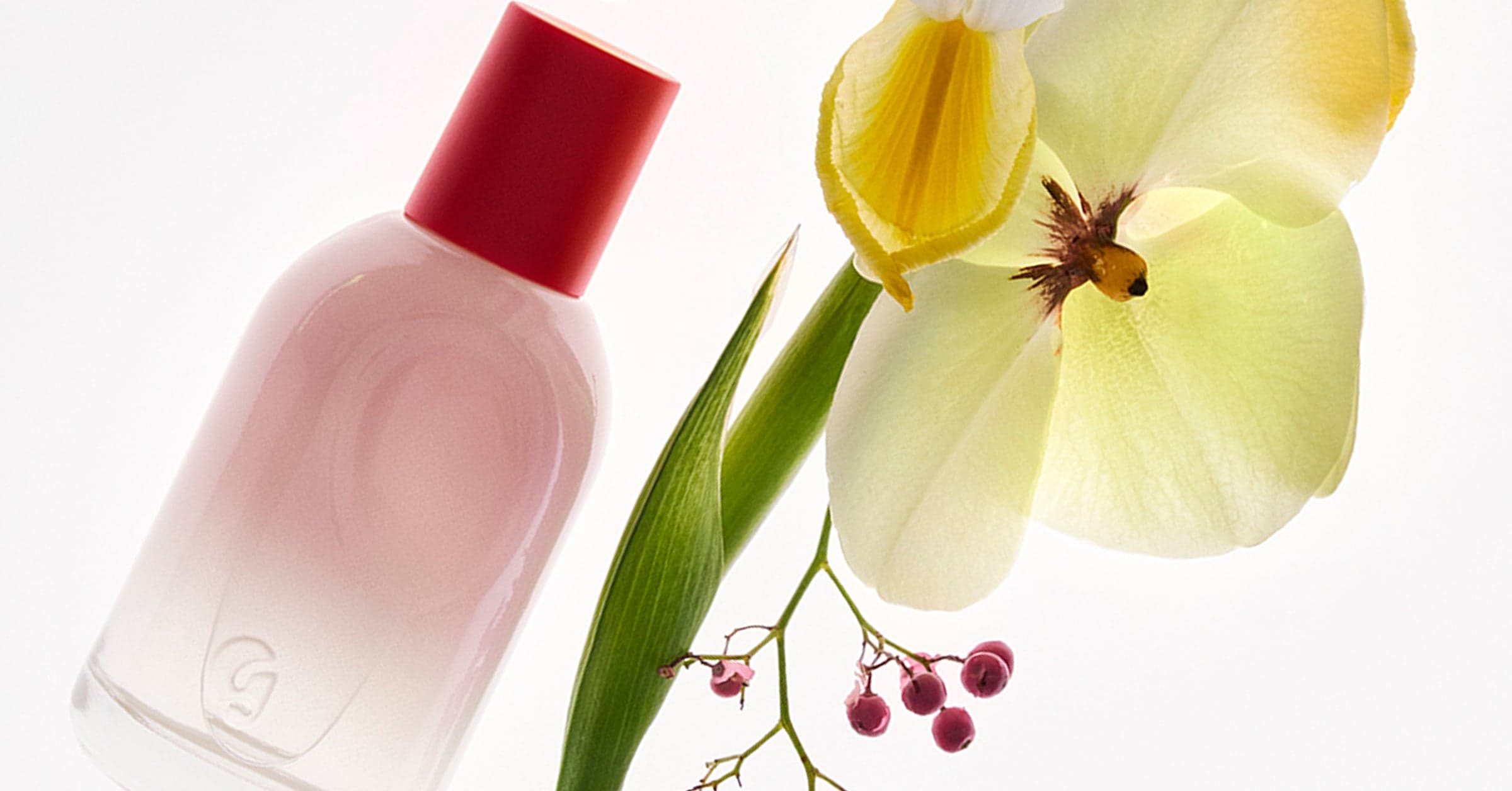
Glossier invented the look of 2016 and has spent the years since trying to be a real beauty company. Two products still deserve their reputation; the skincare never did.
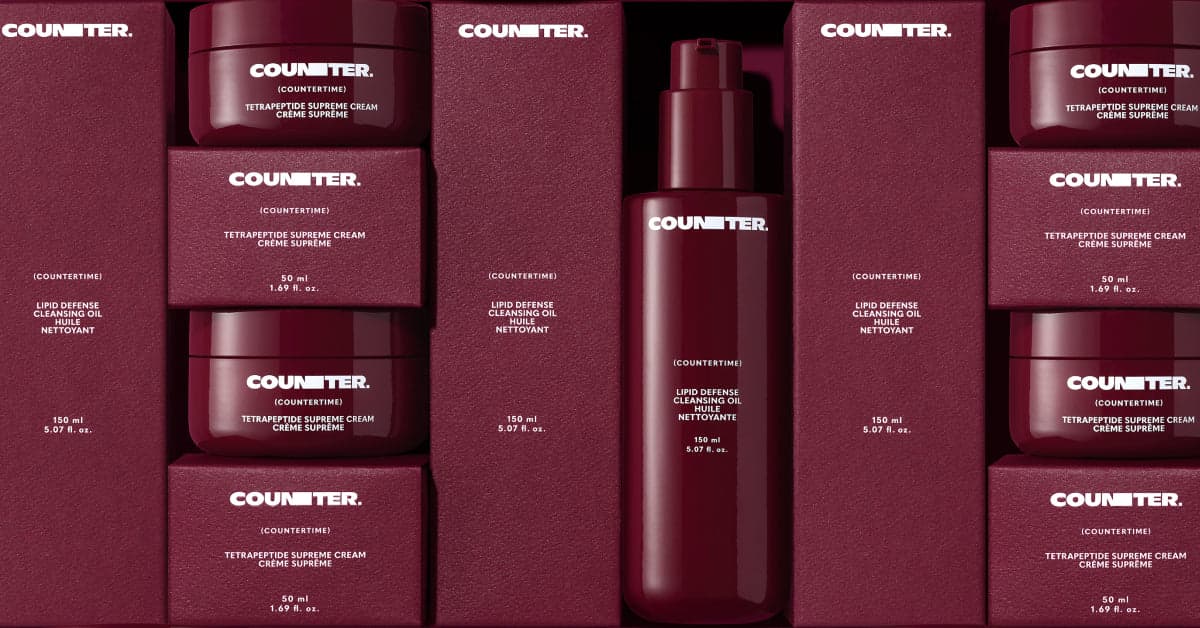
Beautycounter spent a decade campaigning for cosmetics regulation and selling mid-tier products at premium prices through a multi-level sales force. Both halves of that need examining.