The verdict
Still the cheapest honest way to buy a well-made active, and still the worst place for a beginner to start. The formulas have improved since the early years; the catalogue has not got easier to read, and the Estée Lauder acquisition has quietly changed what the brand is for.
What works
- Concentrations and INCI names on the front of every bottle
- Prices that made $80 vitamin C serums look ridiculous, and kept them looking ridiculous
- Genuinely strong formulas in Azelaic Acid Suspension 10% and Multi-Peptide + HA Serum
- Regimen guides have improved substantially and now steer people away from bad combinations
What does not
- A catalogue organised by chemistry rather than by what anyone is trying to fix
- Several textures — the azelaic suspension in particular — are unpleasant to wear
- Founder-era chaos left a brand whose voice no longer matches its corporate reality
- Fully owned by Estée Lauder since 2021 while still trading on outsider positioning
The Ordinary's actual achievement was not a formula. It was an argument: that most of what you pay for in a serum is the bottle, the story and the department-store counter, and that a competent chemist could sell you the same active for eight dollars.
It won that argument decisively. Ten years on, a 30 ml bottle of Niacinamide 10% + Zinc 1% costs about $7, Granactive Retinoid 2% in Squalane costs about $13, and no mainstream brand can charge $90 for a vitamin C serum without at least pretending to justify it. That is a permanent change to the market and it came from here.
What is genuinely good
Azelaic Acid Suspension 10% is the standout. Azelaic acid is difficult to formulate, mostly unavailable over the counter at useful strengths, and genuinely effective on both redness and post-inflammatory pigmentation. The Ordinary sells it for around $12 and nobody else at that price sells it at all. The texture is a grainy silicone paste that pills under makeup and looks faintly like primer — an honest trade for what it does.
Multi-Peptide + HA Serum (the former "Buffet") is a well-built peptide blend. Glycolic Acid 7% Toning Solution is a straightforward, effective, slightly harsh toner at around $13 for 240 ml, which is an absurd amount of glycolic acid for the money. Hyaluronic Acid 2% + B5 is fine and unremarkable, which is all a hyaluronic serum ever is.
What is overrated
Vitamin C Suspension 23% + HA Spheres 2% is the one people get wrong most often. It is anhydrous ascorbic acid suspended in silicone, which solves the stability problem by removing the water — and creates a gritty, tingling texture most people abandon within a fortnight. It is not a bad formula; it is a bad first purchase.
"Buffet" + Copper Peptides 1% has never justified its price relative to the rest of the range. And the marula, rosehip and squalane oils are perfectly good oils with no particular advantage over anyone else's.
The catalogue problem
This is where we take the biggest points off. The Ordinary sells its products by chemical name. That is intellectually honest and commercially hostile. A shopper who knows they want 10% azelaic acid is served beautifully. A shopper who knows their skin is red and bumpy has to work out for themselves what to type.
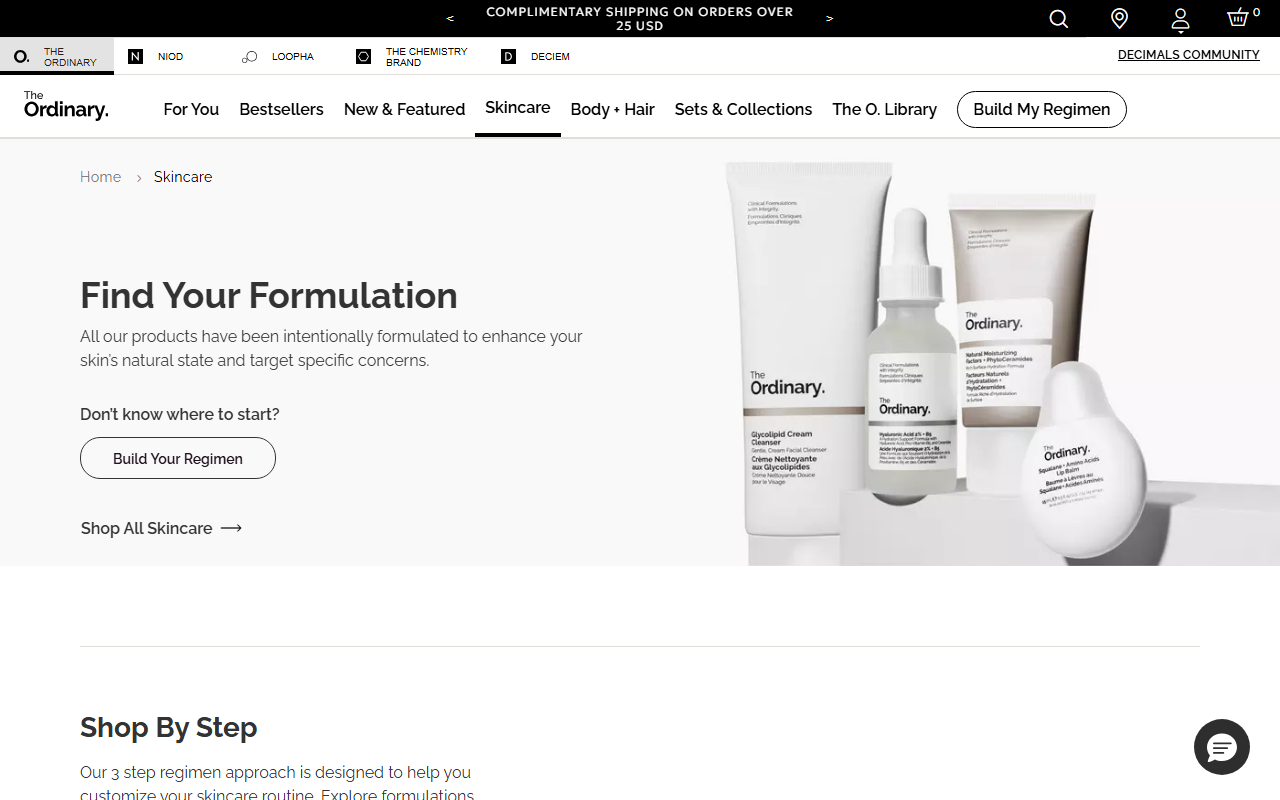
To the brand's credit, this has improved. The regimen builder now asks about concerns rather than molecules, and there is a published incompatibility guide that will tell you not to layer direct acids with certain other actives on the same evening. Five years ago none of that existed and people were making genuinely irritating mistakes because a brand had decided that explaining things was someone else's job.
Ownership, and why it costs the brand points
DECIEM was founded by Brandon Truaxe, whose public unravelling in 2018 and death in 2019 are part of this brand's actual history and cannot be edited out of it. Estée Lauder took a minority stake in 2017 and completed full ownership in 2021.
We score ownership and ethics at 5.5 here, the lowest in this batch, and the reason is positioning rather than the acquisition itself. The Ordinary still speaks in the voice of a company set up to embarrass the prestige industry. It is now wholly owned by the largest prestige beauty group in the world. The formulas have not got worse; the argument has just quietly stopped being made against anyone. A brand is entitled to be acquired. It is not entitled to keep selling the outsider story afterwards without a footnote.
Price
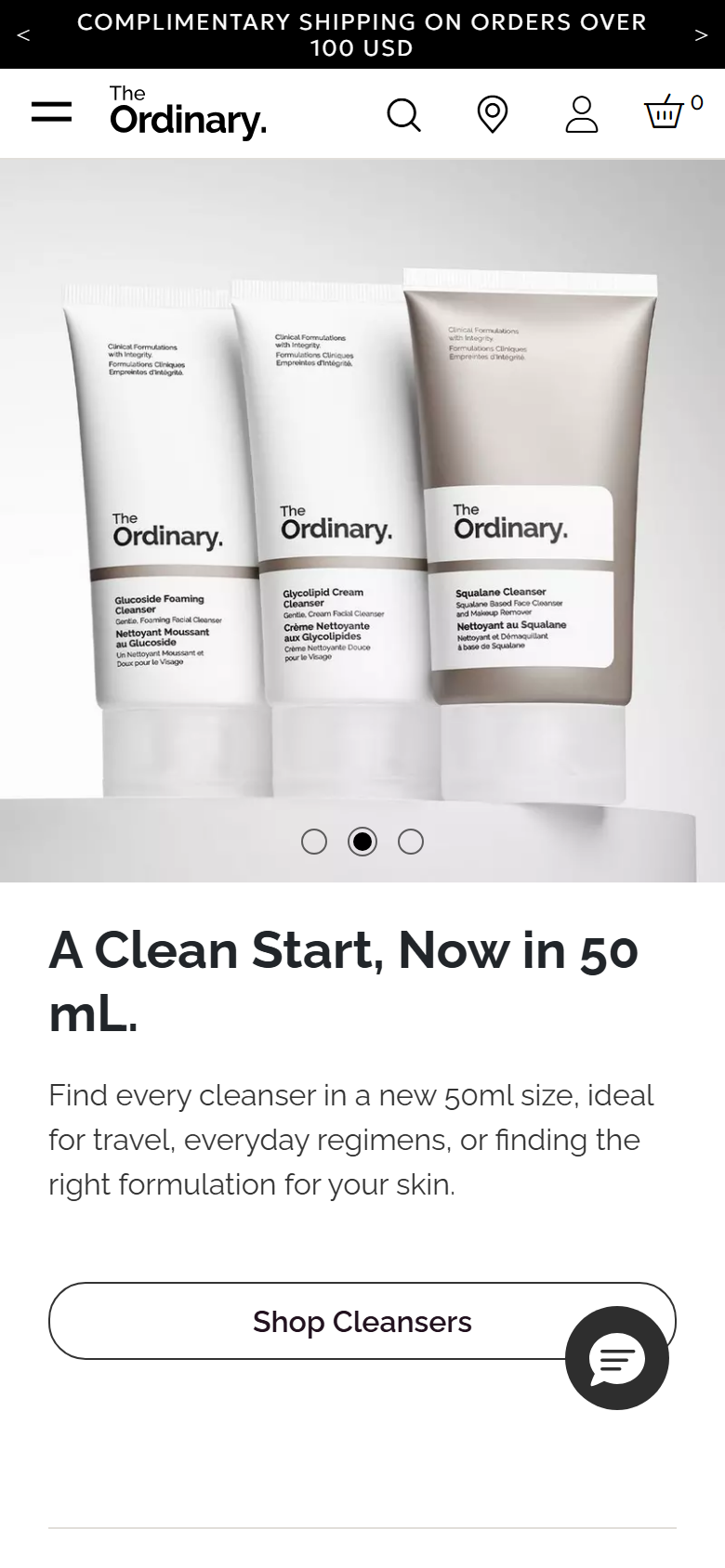
$6 to $32, with most of the range under $20. There is no cheaper way to buy a competent active, and the value score reflects that without qualification.
The verdict
If you know what you are looking for, The Ordinary is the best-value skincare on the market and azelaic acid alone is worth the trip. If you do not, start with a brand that will talk to you in sentences, get your routine stable, and come back here when you want to buy one specific molecule without paying for the marketing around it.
Prices, formulas and ownership were checked against the brand's own site on June 11, 2026 and change without notice. Screenshots in this review were captured by Shelfproof from public pages. Cosmetic ingredients affect people differently — this is consumer research, not medical, dermatological or legal advice.