The verdict
The bond-building chemistry is real, patented and does what the brand says — on damaged hair. The problem is that Olaplex sold a specialist repair product to everyone, and people with healthy hair bought it, noticed nothing, and concluded it was a scam.
What works
- Bis-aminopropyl diglycol dimaleate is a patented, published, genuinely novel repair chemistry
- No.3 Hair Perfector delivers measurable improvement on bleached and chemically treated hair
- The salon No.1 and No.2 system is still the best in-process bleach protection available
- Clear guidance that No.3 is a pre-shampoo treatment, not a conditioner
What does not
- Sold as universal when it is a repair product for damaged hair specifically
- The 2023 lawsuit alleging hair loss was dismissed but the reputational damage stuck
- No.4 and No.5 shampoo and conditioner are ordinary products at $30 each
- Fine hair can find the whole range weighing and building up
Olaplex came out of a materials science lab, not a beauty marketing department. Two chemists — Craig Hawker and Eric Pressly — were asked to find a molecule that could reform disulphide bonds broken during bleaching. They found bis-aminopropyl diglycol dimaleate, patented it, and licensed it to a company that turned it into a salon system in 2014.
That is an unusually clean origin story for this industry, and it is the reason the brand deserves a serious hearing after three years of being a punchline.
What the chemistry actually does
Hair keratin is held together partly by disulphide bonds between cysteine residues. Bleaching and permanent colour break those bonds. Conventional conditioners coat the hair shaft to make broken hair feel smoother; they do not repair anything.
Olaplex's active is a bifunctional molecule that can bridge two thiol groups, effectively re-linking bonds that bleach has severed. The mechanism is published and the patents are public. It is not a moisturiser marketed as a repair product; it is a different category of thing.
The critical qualifier: if your hair has not had its disulphide bonds broken, there is nothing for the molecule to do. Someone with virgin, undamaged, air-dried hair using No.3 weekly will feel essentially nothing, because they have no damage to repair.
Which numbers matter
No.1 and No.2 are professional, mixed into bleach and applied in-salon. This is where the chemistry does the most good, because it works during the damage rather than after it. If you are getting highlights, ask whether the salon uses it.
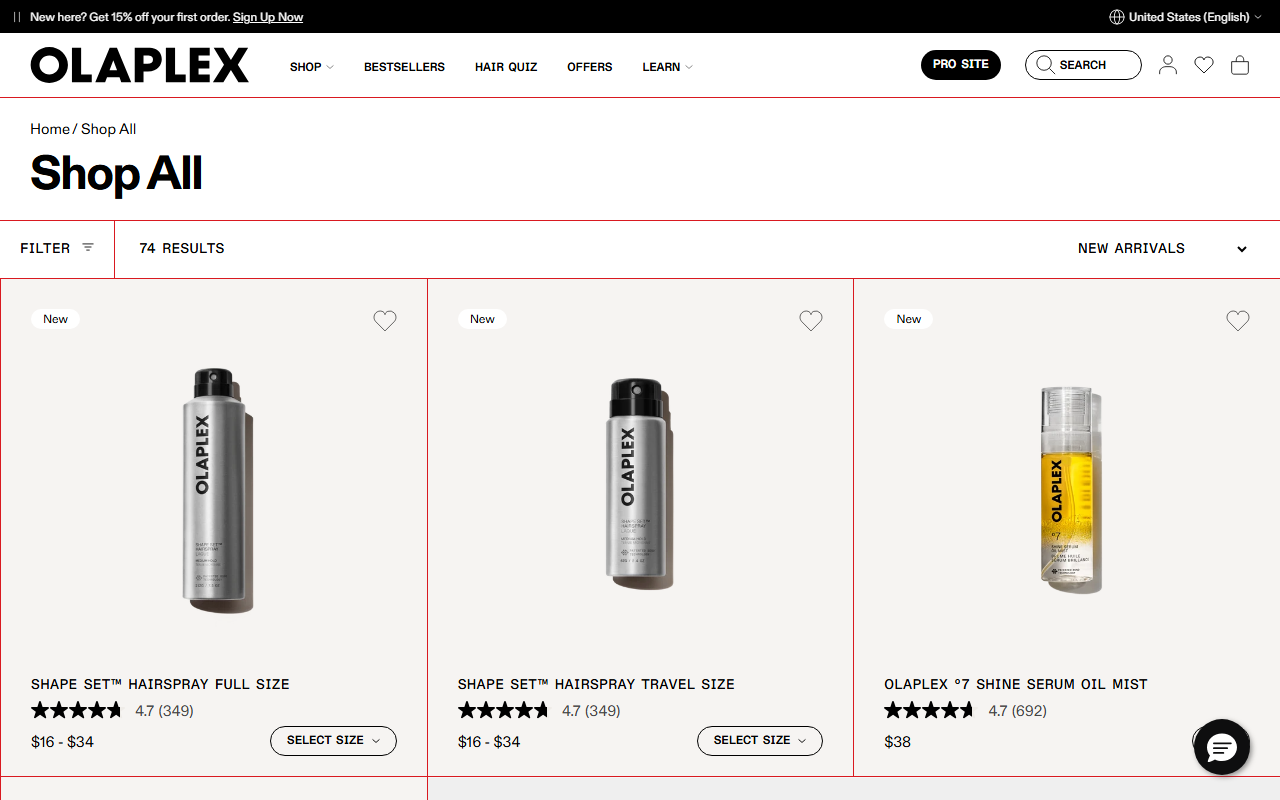
No.3 Hair Perfector is the at-home product and the one people misuse. It is a pre-shampoo treatment: apply to damp, towel-dried hair, leave ten minutes or longer, then shampoo and condition as normal. It is not a conditioner and leaving it on wet, soaking hair dilutes it to uselessness. At around $30 for 100 ml it is the one to buy if you buy one.
No.0 Intensive Bond Building Treatment is a pre-step for No.3 on very damaged hair. It is worth it if your hair is genuinely in trouble and unnecessary otherwise.
No.4 and No.5 shampoo and conditioner are pleasant, ordinary products at $30 each. They contain the active but at a wash-off contact time that limits what it can do. This is the weakest value in the range.
No.9 Bond Protector Nourishing Hair Serum is a leave-in that is genuinely good on frizz and heat protection, and is more of a styling product than a repair one.
The lawsuit, stated plainly
In 2023 a group of plaintiffs filed suit alleging Olaplex products caused hair loss and scalp injury. The case attracted enormous attention. In 2024 a federal judge dismissed the claims, finding the plaintiffs had failed to establish that the products caused the alleged injuries.
It is worth being precise about this because a lot of coverage was not. The case was dismissed. That is not the same as the products being proven harmless in all circumstances, and it is also not the ongoing scandal that the brand's sales decline implies. What is fair to say is that Olaplex, like any haircare range, contains fragrance and preservatives that some people react to, and that a molecule which bonds to hair can build up on fine hair in a way that makes it feel worse rather than better.
Transparency
Good by category standards. The mechanism is published, the patents are public, the instructions are specific about contact time and application state, and the brand states clearly that No.1 and No.2 are professional-only rather than fudging it. It does not publish the concentration of the active in each product, which is the main gap.
Price
$30 to $62. No.3 at $30 for 100 ml is reasonable for a treatment used weekly. No.4 and No.5 at $30 each are not competitive with what else that money buys in shampoo.
The verdict
If your hair is bleached, chemically straightened, permed or heat-damaged, buy No.3 and use it correctly — on damp not wet hair, for at least ten minutes, before shampoo. If your hair is healthy, you do not need this brand and no amount of it will make your hair better than it already is.
The chemistry is real. The marketing that sold it to everyone is what broke it.
Prices, formulas and ownership were checked against the brand's own site on September 4, 2026 and change without notice. Screenshots in this review were captured by Shelfproof from public pages. Cosmetic ingredients affect people differently — this is consumer research, not medical, dermatological or legal advice.