The verdict
Still the deepest, best-organised lipstick range in the business and still the reference for professional long-wear complexion. Less dominant than it was, and the endless collaboration launches have diluted a brand that used to be defined by its core.
What works
- A lipstick range of genuine scale with finishes that are clearly and consistently defined
- Studio Fix Fluid remains a professional standard for long wear under lights
- Back-to-MAC returns six empties for a free lipstick — a recycling scheme with real uptake
- Pro discount and artist training keep genuine professional credibility
What does not
- Collaboration launches now outnumber meaningful additions to the core range
- Studio Fix Fluid oxidises noticeably on some skin over a long day
- Ingredient transparency is poor even by colour-cosmetics standards
- Prestige pricing on products that drugstore brands have substantially caught up with
Make-Up Art Cosmetics started in Toronto in 1984 as a brand for photographers and makeup artists working under lights that destroyed ordinary makeup. Everything MAC is good at comes from that brief: pigment that holds, finishes that read on camera, and a shade range built for the people a professional actually has to make up.
Estée Lauder bought a controlling stake in 1994 and the rest in 1998. Thirty years on, MAC is the brand that trained most of the industry and is now routinely beaten by parts of it.
The lipsticks
This is the reason to still care. MAC's lipstick range is enormous, and — much more importantly — it is organised. Finishes are named consistently and they mean something: Matte, Retro Matte, Amplified, Satin, Cremesheen, Lustre, Frost. Once you know that Retro Matte will be drying and long-wearing and that Amplified will be creamy and opaque, you can buy a shade online with some confidence, which is not true of almost any other brand at this scale.
Ruby Woo is the most-copied red in the industry and remains a properly difficult, properly blue-toned Retro Matte that will find every dry patch on your lips and does not care. Velvet Teddy, Whirl, Twig and Chili are the other four that everyone eventually owns.
At around $24 a bullet with Back-to-MAC returning a free lipstick for six empties, this is the part of the range where the value argument still works.

Complexion
Studio Fix Fluid SPF 15 is the professional reference for long-wear foundation. It sets to a firm matte, holds for a very long day, and photographs cleanly under flash. Its weakness is oxidation: on some skin it shifts a shade or so warmer over eight hours, which is the classic trade-off of this kind of formula.
Studio Radiance and Face and Body are the two alternatives worth knowing. Face and Body in particular is a professional staple — sheer, water-based, buildable, and designed to go on a body as well as a face for editorial and stage work.
Studio Fix Powder Plus Foundation covers a genuinely wide depth range and is one of the better powder foundations for deep skin, where most powder formulas turn grey.
Where MAC has lost ground
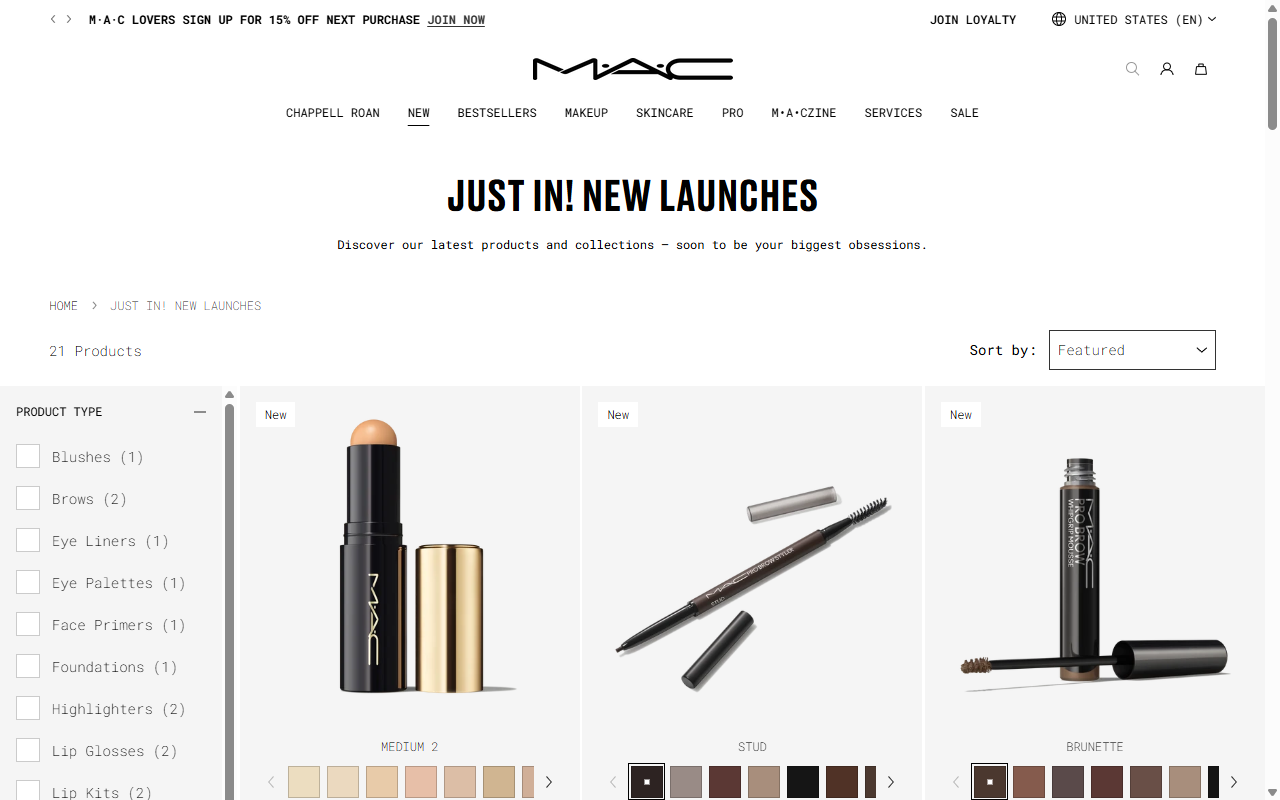
Two places. First, shade range leadership: MAC was the brand that offered deep shades when nobody else did, and it is now merely one of several good options rather than the obvious one. Second, launch discipline. The collaboration and limited-edition cadence — a collection every few weeks, endless licensed tie-ins — has made it hard to see the core range at all, and a brand whose value proposition is "the professional standard" is undermined by a permanent state of novelty.
Transparency and ethics
Poor, by the standards we apply. Ingredient lists are available but buried, there is no meaningful discussion of formulation choices, and the brand does not publish anything approaching a position on allergens or fragrance.
On ethics the picture is mixed. Back-to-MAC is one of the few recycling schemes with genuine consumer uptake, precisely because it offers something people want. Against that, MAC sells in markets requiring animal testing, and it is not cruelty-free — a position it states rather than hides, which is why it scores 7.0 rather than lower.

The pro side of the business
MAC Pro is the part most consumers never see and it is where the brand's remaining authority lives. Working makeup artists get a discount, access to Pro-only products — larger pan sizes, pigments, adhesives, palettes you refill yourself — and training that is genuinely instructional rather than a product demonstration.
That matters for two reasons. It keeps the formulas honest, because a product that fails on a twelve-hour shoot gets reported back by people who have no reason to be polite about it. And it means the staff on a MAC counter are, on average, better trained than at any other mass prestige brand. If you have never been colour-matched properly, this is still the best free thirty minutes in beauty retail.
The counterweight is that the pro business no longer drives the consumer range the way it once did. Pigments and mixing mediums do not sell in the volume that a licensed collection does, and the commercial gravity has moved.
Price
$22 to $48. The lipsticks are good value with Back-to-MAC; the complexion products are priced as prestige and face real competition from brands charging half as much.
The verdict
Buy lipsticks here. Buy Face and Body if you do anything performance-related. Consider Studio Fix Fluid if you need genuine all-day wear and can live with the oxidation.
MAC is no longer the most exciting brand in the room. It is still the one whose lipstick range you can navigate without guessing, and that counts for more than it sounds like it should.
Prices, formulas and ownership were checked against the brand's own site on May 14, 2026 and change without notice. Screenshots in this review were captured by Shelfproof from public pages. Cosmetic ingredients affect people differently — this is consumer research, not medical, dermatological or legal advice.