Fenty Beauty review
Fenty did not invent inclusive shade ranges; it made them non-negotiable. Eight years on, the question is whether the formulas are as good as the principle.
$20–$42Read review
Complexion, colour and tools. We weigh shade ranges, wear time, and whether the artistry claims survive an ordinary working day.
Fenty did not invent inclusive shade ranges; it made them non-negotiable. Eight years on, the question is whether the formulas are as good as the principle.

One product made this brand, and it is so good that it has distorted how everyone judges the rest of the catalogue. The accessibility work in the packaging deserves more attention than the blush does.
NARS has been making the best blush in the industry since 1994 and has never quite been given credit for how good the rest of its pigment work is.
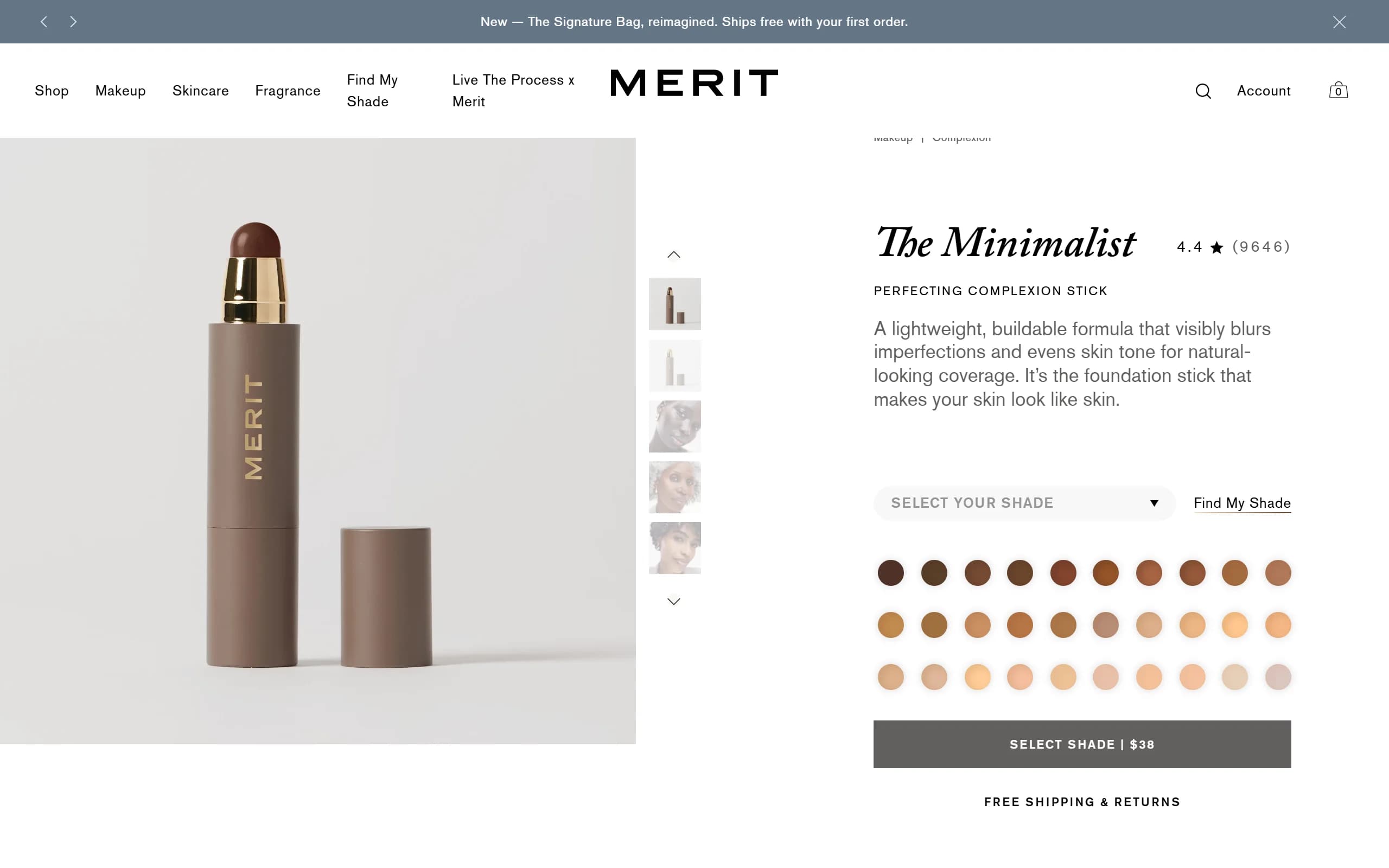
Merit sells subtraction: twenty-four makeup products, no glitter, no launch treadmill, one five-minute routine. The discipline is real and the Flush Balm is excellent. Then you reach the bundle page and find thirty near-identical sets named after people.
MAC built the shade ranges everyone else copied, then spent a decade being out-innovated by brands it taught. The lipsticks are still the best-organised range in the industry.
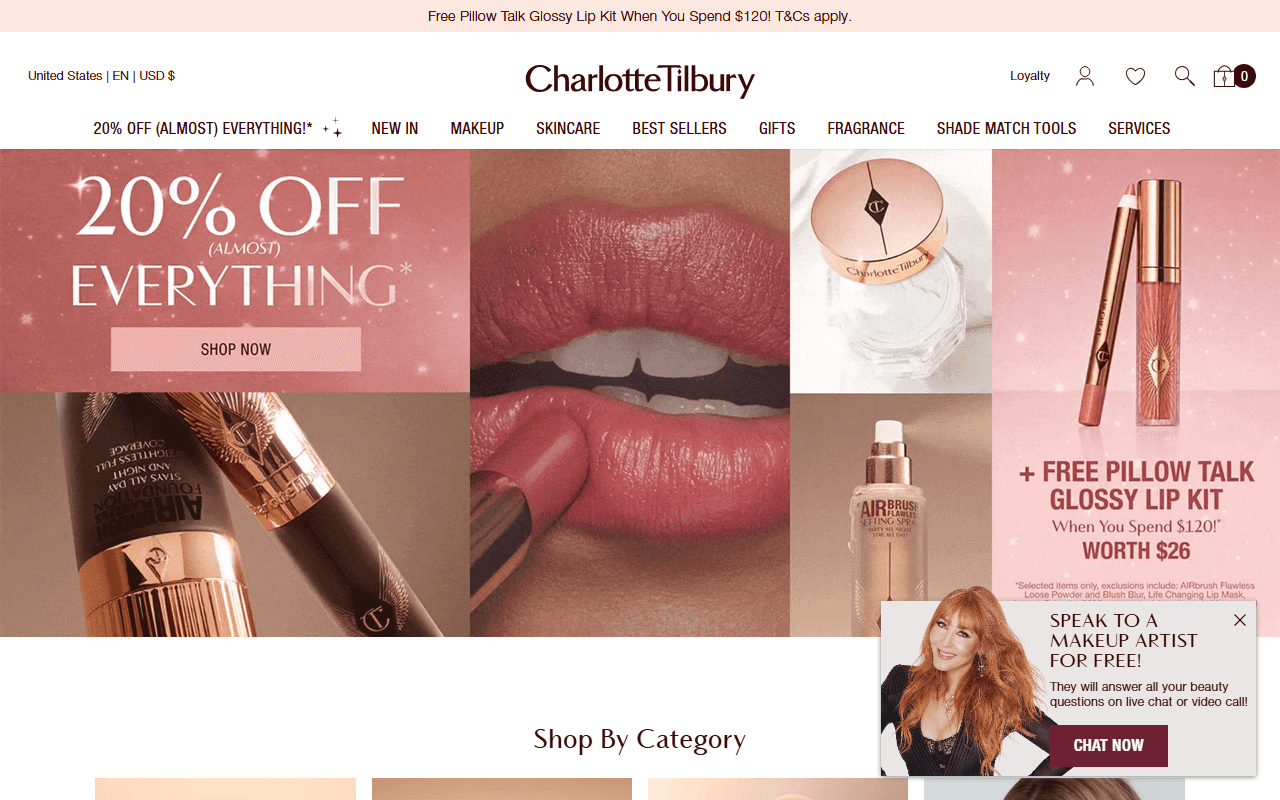
Charlotte Tilbury sells the feeling of being made up by a professional, and three or four of its products genuinely deliver it. The skincare is where the spell breaks.
ABH knows more about eyebrows than anyone in the industry and keeps trying to be a full-range colour house instead. The brow products are worth the money; most of the rest is not.
Two products keep Urban Decay on shelves: a setting spray and a discontinued palette people still mourn. The eyeshadow formula is as good as it ever was, and the brand has forgotten what to do with it.
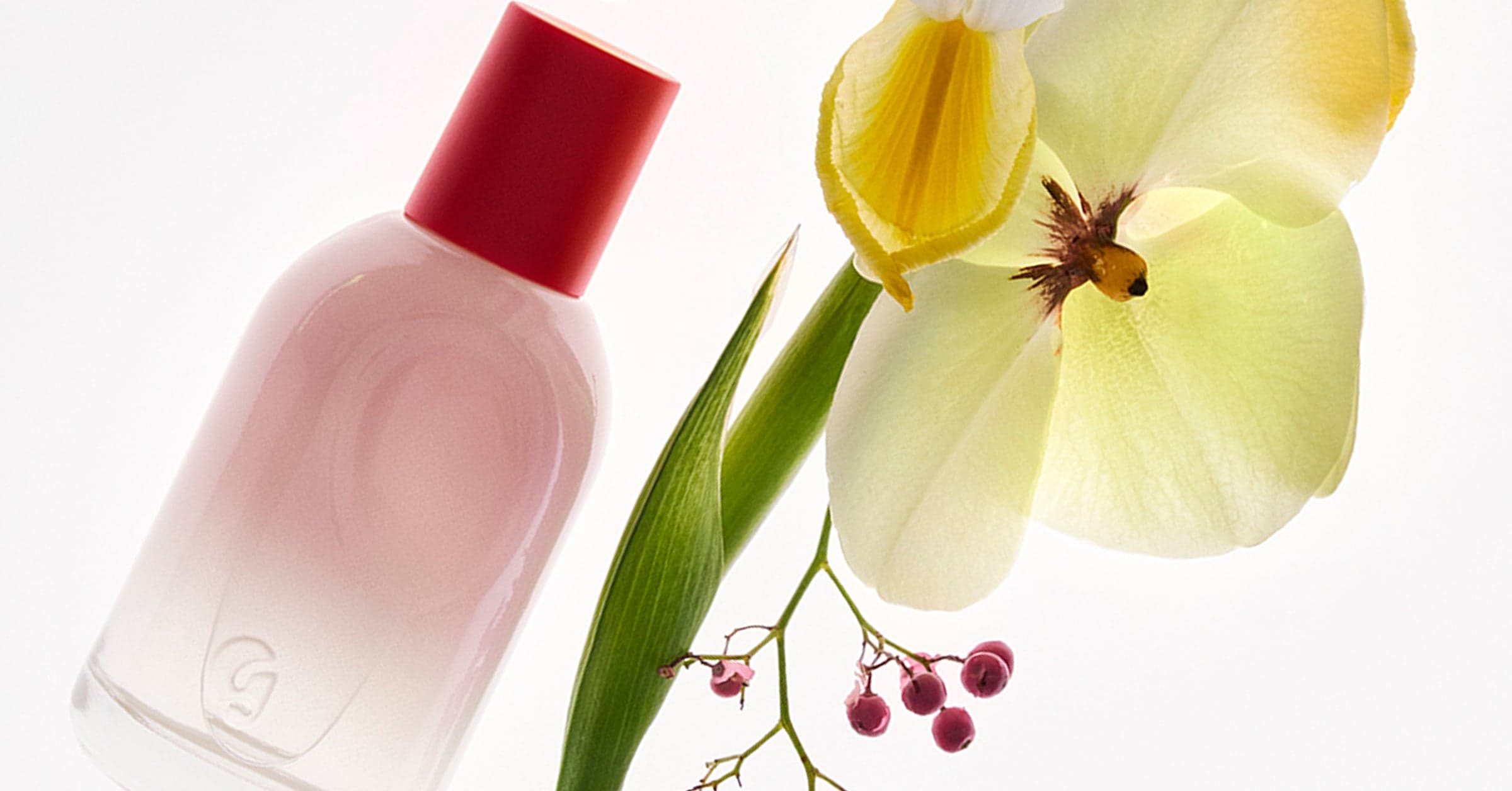
Glossier invented the look of 2016 and has spent the years since trying to be a real beauty company. Two products still deserve their reputation; the skincare never did.